How to Get Rid of Aphids on Roses Without Harming Bees
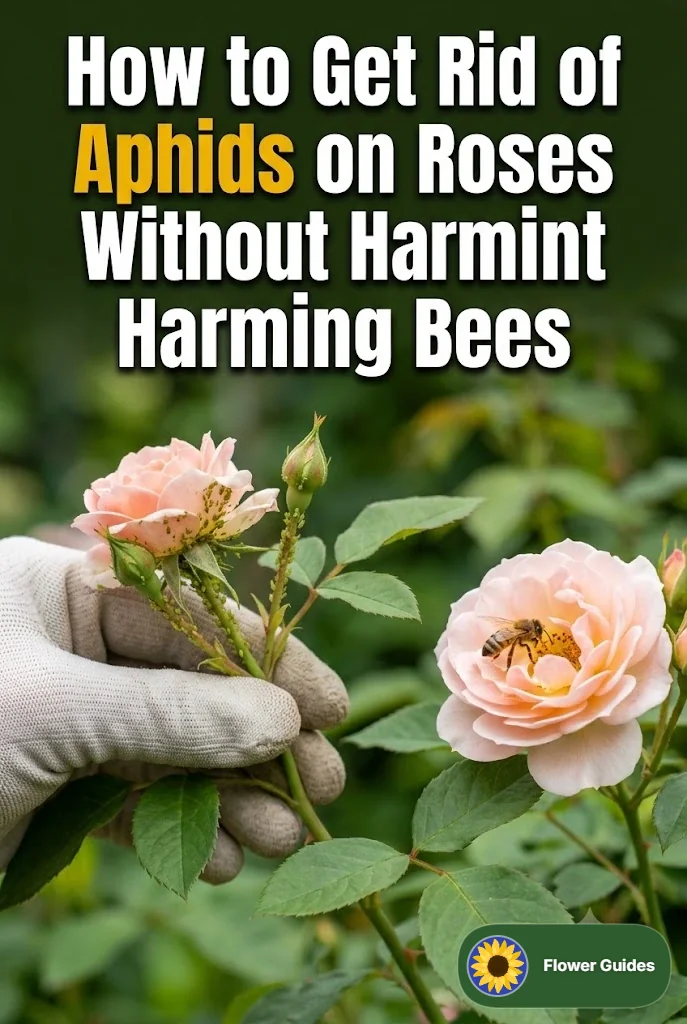
Picture this: your beautiful rose garden, vibrant and lush, suddenly attacked by tiny green pests. Aphids are notorious for ruining the beauty of your roses while also threatening the health of your garden. The challenge? You want to eliminate these pesky aphids without harming the vital bees that help pollinate your plants. Luckily, there are several effective and eco-friendly methods to tackle this issue. Let’s explore how to protect both your roses and the bees in your garden.
Understanding Aphids and Their Impact on Roses
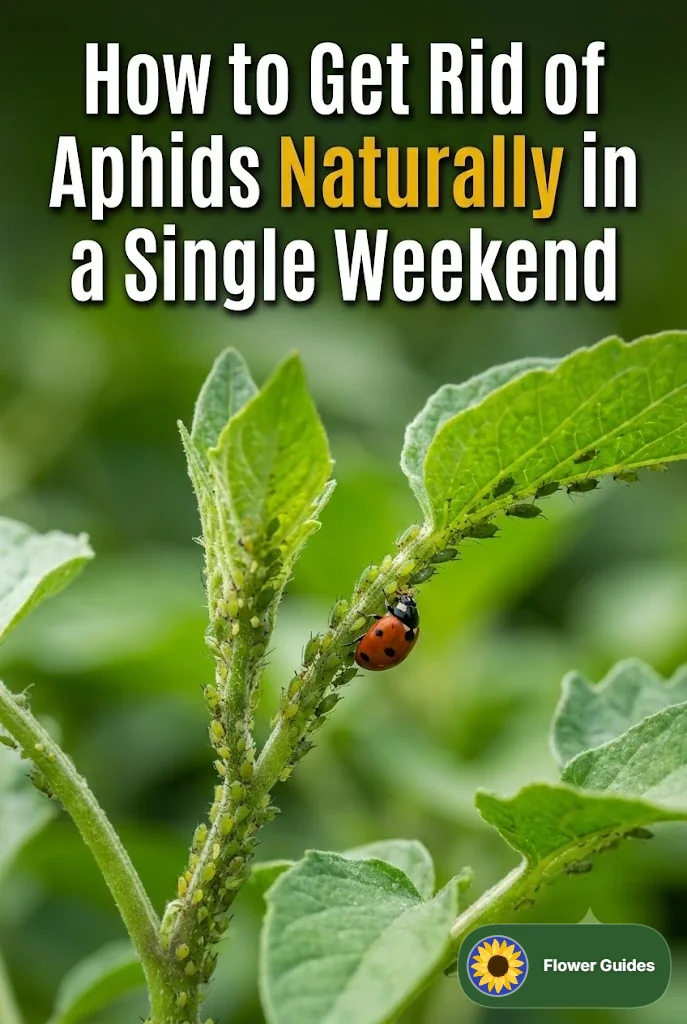
Aphids are small, soft-bodied insects that can be green, black, yellow, or even pink. They feed on plant sap, which can weaken your roses and lead to stunted growth, curled leaves, and even the spread of diseases. While they might seem harmless, a severe infestation can cause significant damage. The good news is that there are ways to manage aphids effectively without resorting to harsh chemicals that can harm beneficial insects like bees.
Identifying Aphid Infestations
Before you can take action, it’s essential to confirm that aphids are the culprits. Look for:
- Small clusters of insects on the underside of leaves.
- Yellowing or curling leaves.
- Sticky residue (honeydew) on leaves or nearby surfaces.
- Black sooty mold growing on the honeydew.
Natural Methods to Control Aphids
There are several natural methods you can employ to get rid of aphids on your roses without harming bees. Here are some effective strategies:
1. Water Spray
A simple yet effective method is to blast aphids off your roses with a strong stream of water. This method is non-toxic and won’t harm the bees. Just be sure to:
- Use a garden hose with a spray nozzle.
- Aim for the undersides of leaves where aphids often hide.
- Repeat this process every few days, especially after rain.
2. Insecticidal Soap
Insecticidal soap is another excellent option for controlling aphids while being safe for bees. Make your own or buy a commercial product. Here’s how to apply it:
- Mix a few tablespoons of liquid soap (not detergent) with water in a spray bottle.
- Spray directly onto the aphids, ensuring thorough coverage.
- Repeat every few days until the aphids are gone.
3. Neem Oil
Neem oil is a natural pesticide derived from the seeds of the neem tree. It disrupts the life cycle of aphids without harming beneficial insects. To use neem oil:
- Dilute neem oil according to the package instructions.
- Spray on affected areas in the early morning or late evening when bees are less active.
- Reapply every 7-14 days for best results.
4. Beneficial Insects
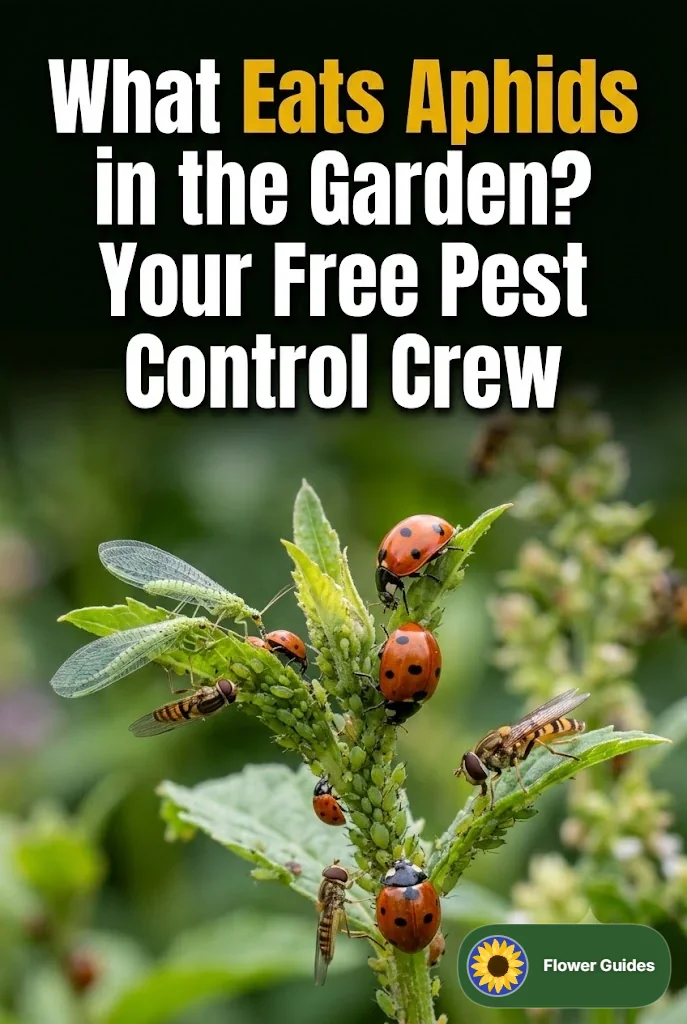
Encouraging beneficial insects can be one of the most effective long-term solutions for aphid control. Ladybugs, lacewings, and parasitic wasps are natural predators to aphids. Here’s how to attract them:
- Plant flowers like marigolds, dill, and yarrow to lure these predatory insects.
- Avoid using chemical pesticides that could kill beneficial insects.
- Provide a habitat like a small insect hotel to encourage them to stay.
5. Companion Planting
Companion planting can help deter aphids naturally. Some plants repel aphids while others attract their predators. Consider planting:
- Garlic or chives near your roses.
- Sunflowers to attract ladybugs.
- Herbs like mint and basil as natural repellents.
Pinterest-Style Ideas for Aphid Control
If you love visual inspiration, here are some creative ideas to keep aphids at bay while enhancing your rose garden:
- DIY Insecticidal Soap Recipe: Create a pretty label for your homemade insecticidal soap and share your recipe on Pinterest!
- Bug Hotel Craft: Make a charming insect hotel using recycled materials and beautify your garden while helping beneficial insects thrive.
- Companion Planting Guide: Design an eye-catching infographic showing which plants repel aphids and attract beneficial insects.
- Before and After Photos: Document the transformation of your rose garden with before and after shots of aphid treatments!
Expert Tips for Long-Term Aphid Management
Here are some insider tips to keep your roses healthy and aphid-free:
- Regular Monitoring: Check your plants weekly, especially during peak growing seasons, to catch aphids early.
- Healthy Plants: Maintain healthy soil and proper watering to strengthen your roses, making them less susceptible to aphid infestations.
- Seasonal Maintenance: Clear away any debris and dead plant material at the end of the season to reduce overwintering aphids.
Common Questions About Aphid Control
1. Are there any chemical treatments that won’t harm bees?
While some chemical treatments exist, they often pose risks to bees. It’s best to stick with natural methods whenever possible.
2. How can I tell if my roses are recovering from an aphid infestation?
Look for new growth and fewer aphids. Healthy leaves and blooms returning are signs of recovery.
3. Can aphids harm other plants in my garden?
Yes, aphids can infest various plants, so it’s essential to monitor all your garden plants regularly.
4. Is it safe to release ladybugs in my garden?
Absolutely! Ladybugs are beneficial and won’t harm your roses or other plants. They will help control aphid populations.
Conclusion
Taking action against aphids doesn’t have to mean harming the bees that play a crucial role in your garden’s ecosystem. By utilizing natural methods and encouraging beneficial insects, you can enjoy a thriving rose garden while keeping these pesky pests at bay. Stay proactive, monitor your plants, and embrace these eco-friendly strategies for a garden that blooms beautifully and sustainably.