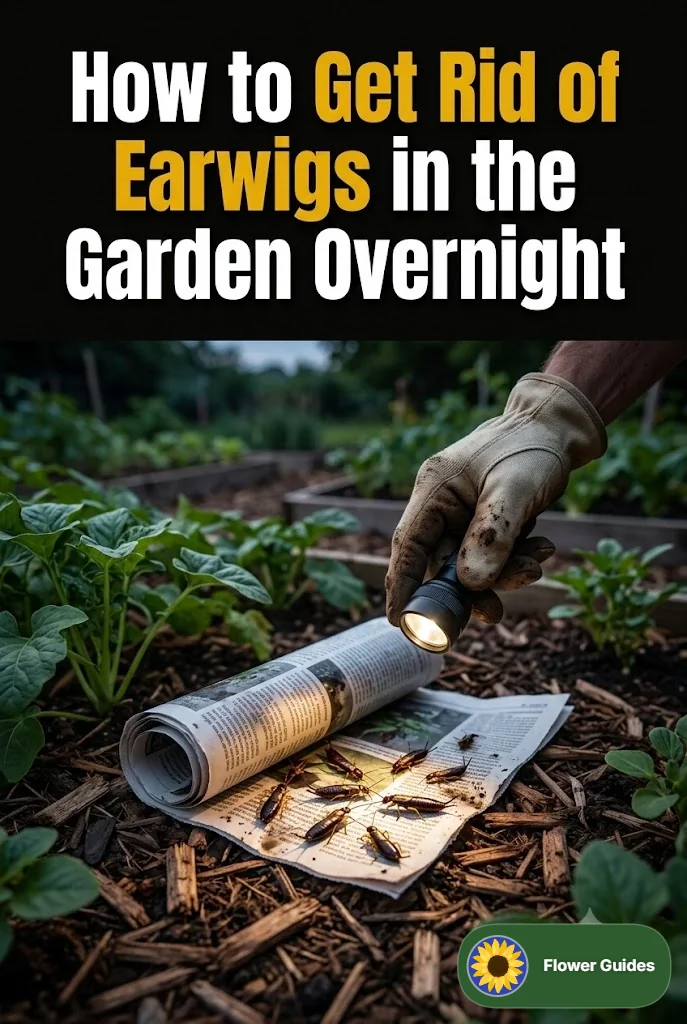
How to Get Rid of Earwigs in the Garden Overnight
Earwigs may not be the most well-known garden pest, but they can certainly wreak havoc on your plants. If you’ve noticed these little critters munching on your foliage or hiding in your flower beds, you’re likely looking for a quick and effective solution. The good news is that you can get rid of earwigs in your garden overnight with some simple strategies. Let’s dive into the best methods to reclaim your garden space from these unwelcome guests.
Quick Answer
To get rid of earwigs in your garden overnight, use traps made from rolled-up newspaper or small containers filled with vegetable oil. Additionally, applying diatomaceous earth around affected areas can deter them. These methods are effective, natural, and safe for your plants.
Understanding Earwigs
Before you can effectively eliminate earwigs, it’s essential to understand who they are. These nocturnal insects are often mistaken for pests due to their pincers, but they primarily feed on decaying organic matter. In gardens, they can become a nuisance as they also enjoy munching on tender leaves and fruit.
Identifying Earwigs
- Appearance: Earwigs are typically brown or black, measuring about 1 inch in length. Their most distinctive feature is the pair of pincers located at the end of their abdomen.
- Habitat: They thrive in moist, dark areas, often hiding under mulch, rocks, or damp leaves during the day.
Effective Traps to Use
Setting traps is one of the most effective and immediate ways to reduce earwig populations in your garden. Here are a couple of simple traps you can create:
1. Newspaper Roll Trap
This method is straightforward and uses materials you likely already have at home.
- Take a few sheets of newspaper and roll them tightly.
- Saturate the rolls with water to make them appealing to earwigs.
- Place these rolls in your garden in areas where you’ve spotted earwigs.
- Check the rolls the next morning; you should find earwigs hiding inside.
2. Oil Trap
This trap lures earwigs in with oil, making it a quick and effective solution.
- Fill small containers (like tuna cans) with a mixture of vegetable oil and a few drops of soy sauce or fish sauce.
- Place the containers in your garden, ideally where you’ve noticed earwig activity.
- The earwigs will be attracted to the oil and drown.
Natural Deterrents
If you prefer a less hands-on approach, consider using natural deterrents that can keep earwigs at bay.
Diatomaceous Earth
Diatomaceous earth (DE) is a natural powder that can help eliminate earwigs.
- Application: Sprinkle a thin layer of DE around the base of your plants and in areas where you’ve seen earwigs.
- How it Works: The tiny particles of DE damage the exoskeletons of insects, leading to dehydration and death.
Citrus Peels
Earwigs are not fond of citrus scents.
- Place citrus peels around your garden, especially near plants that are affected.
- Replace the peels regularly to keep the scent fresh and effective.
Creating an Unfriendly Environment
Sometimes, prevention is the best cure. By making your garden less inviting to earwigs, you can minimize their presence.
Reduce Moisture
- Earwigs thrive in damp environments. Water your garden in the early morning to allow the soil to dry by evening.
- Remove any debris, such as dead leaves or mulch, that retains moisture.
Maintain Your Garden
- Regularly trim plants and remove any dead or decaying matter that can attract earwigs.
- Consider using gravel or sand as mulch instead of organic materials that can hold moisture.
Expert Tips for Long-Term Control
While you may want to eliminate earwigs overnight, consider these additional strategies for long-term control.
- Encourage Beneficial Insects: Ladybugs and lacewings are natural predators of earwigs. Plant flowers that attract these beneficial insects.
- Use Physical Barriers: Install copper tape around your garden beds to deter earwigs from crossing.
- Regular Monitoring: Keep an eye on your plants and check traps regularly to stay ahead of any re-infestations.
Common Questions
1. Are earwigs harmful to my garden?
While earwigs primarily feed on decaying matter, they can damage young plants and seedlings. Their presence can be concerning, but they also contribute to decomposition.
2. Can I use pesticides to get rid of earwigs?
While chemical pesticides can be effective, they can also harm beneficial insects and the environment. It’s best to try natural methods first.
3. How can I prevent earwigs from returning?
Maintain a clean garden, reduce moisture, and use traps regularly to keep earwig populations in check.
Conclusion
Getting rid of earwigs in your garden doesn’t have to be a daunting task. With simple traps, natural deterrents, and a few preventive measures, you can reclaim your plants from these pesky pests. Remember, a proactive approach will not only help you eliminate earwigs but also create a healthier garden environment for all your plants. Happy gardening!