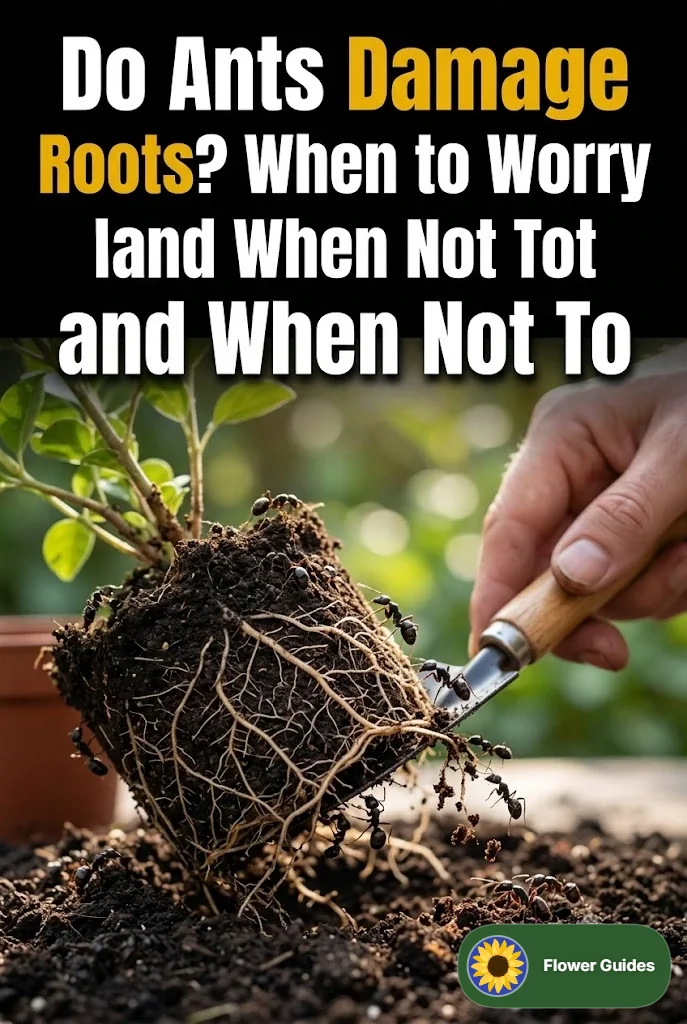
Do Ants Damage Plant Roots? When to Worry and When Not To
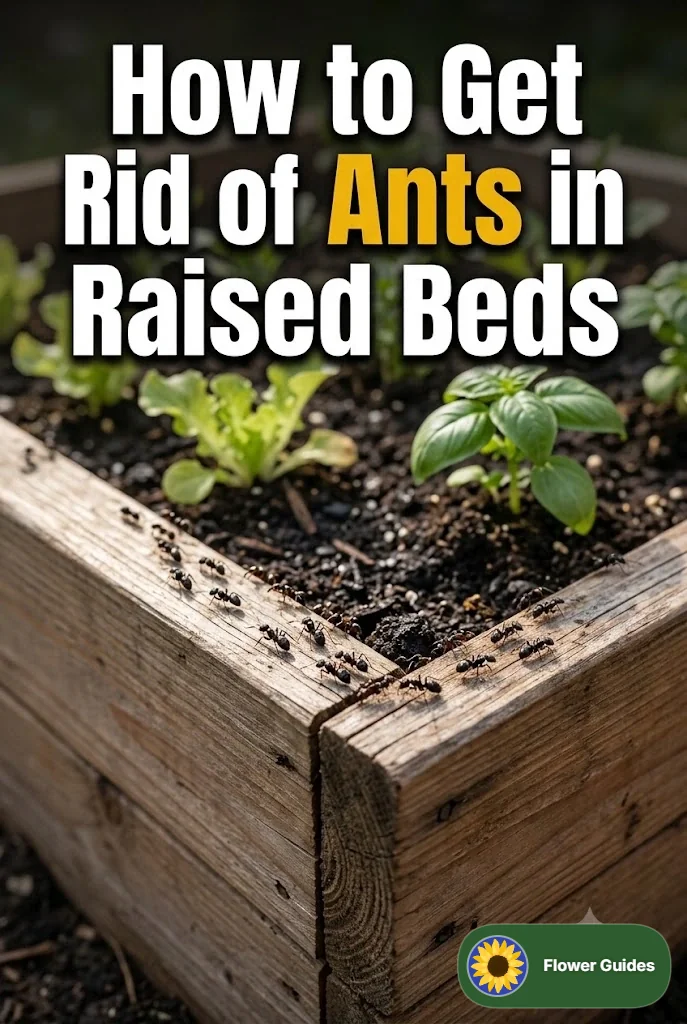
Ants are often seen as harmless garden companions, roaming the soil and climbing plants. However, many gardeners wonder if these tiny creatures can actually harm their plants, particularly their roots. Understanding the role ants play in your garden can help you determine when to worry about their presence and when to simply let them be. Let’s explore the relationship between ants and plant roots, and how to manage their activity effectively.
Quick Answer
Ants do not directly damage plant roots. They can, however, be indicators of underlying issues such as aphid infestations. In most cases, ants are harmless and even beneficial to your garden ecosystem. Worry when you see an increase in aphids or other pests that ants might be protecting.
Understanding the Role of Ants in Your Garden
Ants are fascinating creatures with complex social structures. They contribute to the garden ecosystem in various ways:
- Soil Aeration: As ants tunnel through the soil, they help aerate it, improving water infiltration and nutrient distribution.
- Seed Dispersal: Some ants collect seeds and transport them to their nests, aiding in plant propagation.
- Pest Management: Ants can prey on certain pests, helping to keep their populations in check.
When Ants Can Be a Problem
While ants themselves do not damage plant roots, there are circumstances in which their presence may signal trouble:
- Aphid Infestations: Ants often farm aphids for their honeydew, which can lead to an increase in aphid populations, harming your plants.
- Root Damage from Nesting: In rare cases, certain ant species may create nests near or in plant roots, causing physical disruption.
- Symbiotic Relationships: Some ants protect harmful pests in exchange for food, leading to increased damage to plants.
Signs of Trouble: Recognizing When to Worry
Keep an eye out for these signs that may indicate ants are a problem in your garden:
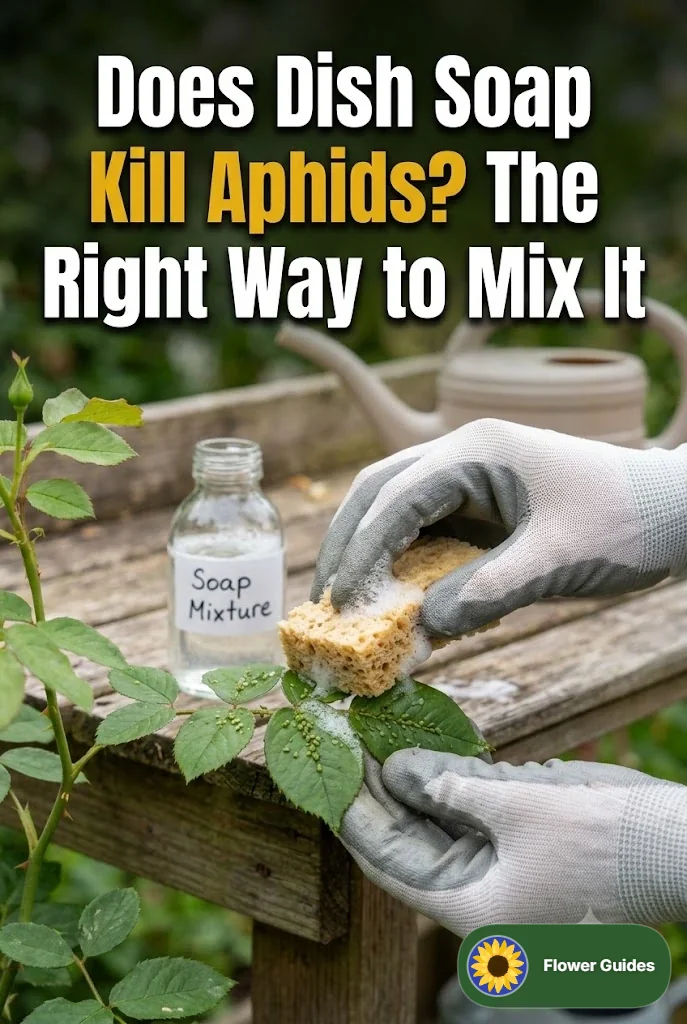
- Visible Aphids: Look for clusters of aphids on the stems and leaves of your plants. Their presence often attracts ants.
- Wilting Plants: If your plants are wilting, it could be due to root damage caused by pests, possibly aided by ants.
- Ant Trails: If you notice a significant increase in ant trails leading to specific plants, it may indicate a larger pest issue.
Identifying Ant Species
There are various species of ants, and their behavior can vary. Some are beneficial, while others can be harmful:
- Carpenter Ants: These ants can damage wood and may establish nests in plants, leading to potential harm.
- Sugar Ants: Known for their attraction to sweet substances, they often farm aphids and can cause problems if unchecked.
- Harvester Ants: They can disturb soil but are generally not harmful to plant roots.
Managing Ants in Your Garden
If you determine that ants are causing problems in your garden, here are some effective management strategies:
1. Monitor and Assess
Regularly inspect your plants for signs of aphids or other pests. Understanding the scope of the issue will help you decide on the next steps.
2. Natural Remedies
Consider using natural deterrents to manage ant populations:
- Vinegar Solution: A mixture of vinegar and water sprayed on ant trails can disrupt their pheromone communication.
- Cinnamon or Coffee Grounds: These can act as barriers, deterring ants without harming your plants.
- Essential Oils: Oils like peppermint or tea tree can repel ants when diluted and sprayed around plants.
3. Encourage Beneficial Insects
Invite natural predators of aphids, such as ladybugs and lacewings, into your garden. This can help reduce the need for chemical treatments and keep ant populations in check.
4. Chemical Control Options
As a last resort, you may consider chemical solutions. Always opt for targeted insecticides that will specifically address aphids and minimize harm to beneficial insects. Be sure to follow all safety guidelines and regulations.
Pinterest-Style Ideas for a Healthy Garden
- DIY Aphid Traps: Use yellow sticky paper to attract and trap aphids and monitor their numbers.
- Plant Companion Flowers: Marigolds and nasturtiums can repel aphids and attract beneficial insects.
- Create a Pollinator Garden: Include plants that attract pollinators, which can help keep pests in check naturally.
Expert Tips for Gardeners
Here are some insider tips to maintain a healthy garden and keep ant populations under control:
- Regular Soil Testing: Healthy soil promotes strong root systems, making plants less susceptible to pests.
- Water Wisely: Overwatering can attract pests. Water in the morning to allow plants to dry out more quickly.
- Rotate Crops: Change the location of your plants each season to disrupt pest cycles and reduce ant activity.
Common Questions About Ants and Plant Roots
Do ants eat plant roots?
No, ants do not eat plant roots. They may disturb the soil while foraging but do not consume roots.
Are ants bad for my garden?
Ants can be both beneficial and harmful. Monitor their activity and the presence of pests to determine if they are causing issues.
How can I get rid of ants without harming my plants?
Utilize natural remedies like vinegar, cinnamon, or essential oils to deter ants without damaging your plants.
Conclusion
Ants in your garden are not always a cause for concern. Understanding their behavior and the potential impact they have on plant health is essential. By keeping an eye on pest populations and using natural remedies, you can maintain a healthy balance in your garden. Embrace the beneficial aspects of ants while managing any potential problems effectively!