How to Prevent Cutworms From Cutting Down Your Seedlings
Cutworms can be a gardener’s worst nightmare, especially when you’ve invested time and love into nurturing your seedlings. These sneaky pests lurk in the soil, ready to munch on tender stems at night, leaving you with wilted and damaged plants by morning. If you’ve ever found your seedlings mysteriously cut down at the soil line, you know the frustration all too well. Luckily, there are effective strategies to prevent cutworms from wreaking havoc in your garden. Let’s dive into some practical solutions that will keep your seedlings safe and thriving.
Quick Answer
To prevent cutworms from damaging your seedlings, create barriers like collars around the stems, maintain healthy soil practices, and attract beneficial insects. Regularly inspect your garden and use organic treatments when necessary to keep these pests at bay.
Understanding Cutworms
Before we tackle prevention methods, it’s essential to understand what cutworms are. These caterpillars are the larvae of various moth species, primarily active at night. They hide in the soil during the day, making them elusive and difficult to spot. Cutworms typically target seedlings and young plants, cutting them off at the base, which can be devastating for your garden.
Identifying Cutworm Damage
Recognizing the signs of cutworm damage is crucial:
- Seedlings cut at soil level: The most obvious sign is the clean cut of seedlings right at the base.
- Wilting plants: Affected plants will immediately droop, indicating they’ve been severed from their roots.
- Presence of cutworms: Look for these pests in the soil, especially in the evening or early morning when they are most active.
Effective Prevention Strategies
1. Physical Barriers
One of the most effective ways to protect your seedlings is by using physical barriers. Here are some popular methods:
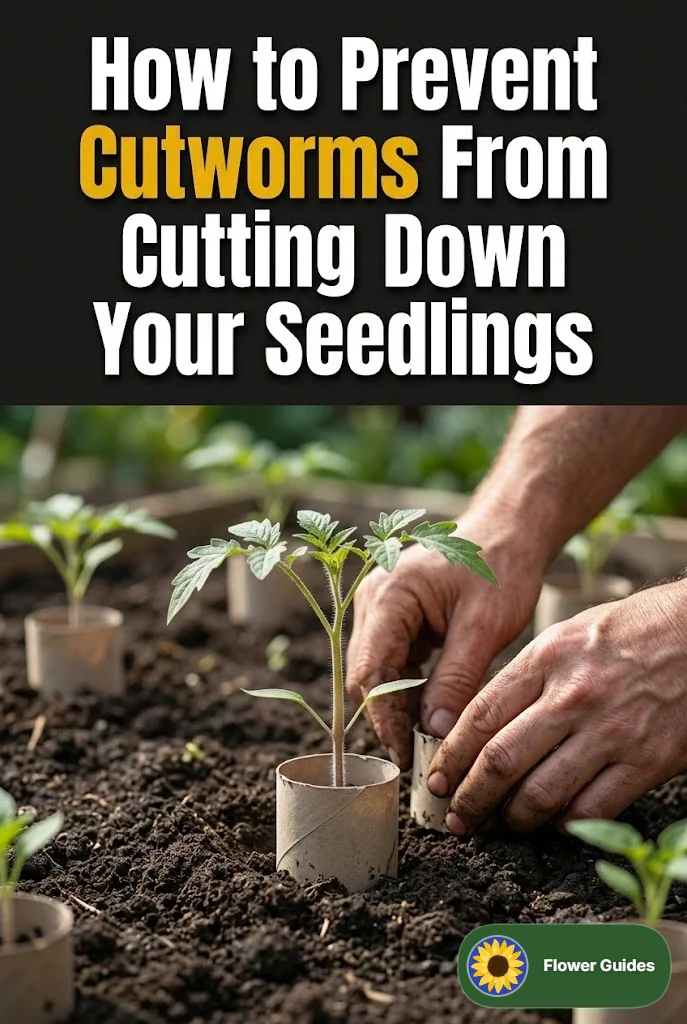
- Collars: Create collars from materials like cardboard, plastic, or metal. Cut a strip about 4 inches wide and 12 inches long, then wrap it around the base of each seedling, burying the bottom edge a couple of inches into the soil.
- Copper tape: This can deter cutworms as they dislike crossing copper. Place strips around your seedlings to create a barrier.
- Eggshells: Crushed eggshells can be sprinkled around seedlings. The sharp edges deter cutworms while also providing calcium to the soil.
2. Healthy Soil Practices
Maintaining healthy soil is crucial for preventing cutworm infestations. Here are some practices to consider:
- Soil aeration: Loosening the soil makes it less attractive to cutworms, as they prefer compacted soil.
- Crop rotation: Change the location of your plants each season to disrupt cutworm life cycles.
- Companion planting: Certain plants, like marigolds and basil, can repel cutworms. Plant these alongside your vulnerable seedlings.
3. Attracting Beneficial Insects
Encouraging predators in your garden can help keep cutworm populations in check. Here’s how:
- Ladybugs: These insects feed on various garden pests, including cutworms. Plant flowers like dill, fennel, and yarrow to attract them.
- Parasitic wasps: These wasps lay their eggs in cutworm larvae, killing them. Provide habitats for these beneficial insects by planting diverse flowers.
4. Regular Inspections
Checking your garden regularly can help catch problems before they escalate:
- Evening patrols: Since cutworms are nocturnal, inspecting your garden in the evening can help you spot them in action.
- Monitoring seedlings: Keep an eye on your seedlings for any signs of damage or wilting.
Pest Control Options
If you find cutworms despite your best prevention efforts, there are several control methods you can employ:
- Handpicking: In the evening, scan the soil for cutworms and remove them by hand.
- Neem oil: This organic pesticide disrupts the life cycle of cutworms and other pests. Spray it on affected areas according to package instructions.
- Beneficial nematodes: These microscopic worms can be introduced into the soil to attack cutworm larvae.
Expert Tips for a Cutworm-Free Garden
Here are some lesser-known tips to enhance your cutworm prevention strategy:
- Mulching: Applying a layer of mulch not only retains moisture but also makes it harder for cutworms to reach your seedlings.
- Planting dates: Timing your planting can make a difference. Plant seedlings earlier in the spring to allow them to establish before cutworms become active.
- Soil temperature: Cutworms thrive in warmer soil, so keep your soil cool with shade cloths during hot days to deter them.
Common Questions
What are cutworms attracted to?
Cutworms are attracted to young seedlings and tender plants, particularly in well-watered and nutrient-rich soils.
How can I tell if I have cutworms in my garden?
Look for seedlings that are cut off at the base, and inspect the soil during the evening for the presence of these pests.
Can I use homemade remedies to deter cutworms?
Yes, homemade remedies like garlic spray or diatomaceous earth can deter cutworms effectively.
Conclusion
Preventing cutworms from devastating your seedlings is entirely achievable with the right strategies in place. From physical barriers and healthy soil practices to attracting beneficial insects, there are plenty of creative and effective ways to protect your precious plants. Remember, regular monitoring and early intervention can make a world of difference. By implementing these tips, you can enjoy a flourishing garden free from cutworm troubles!