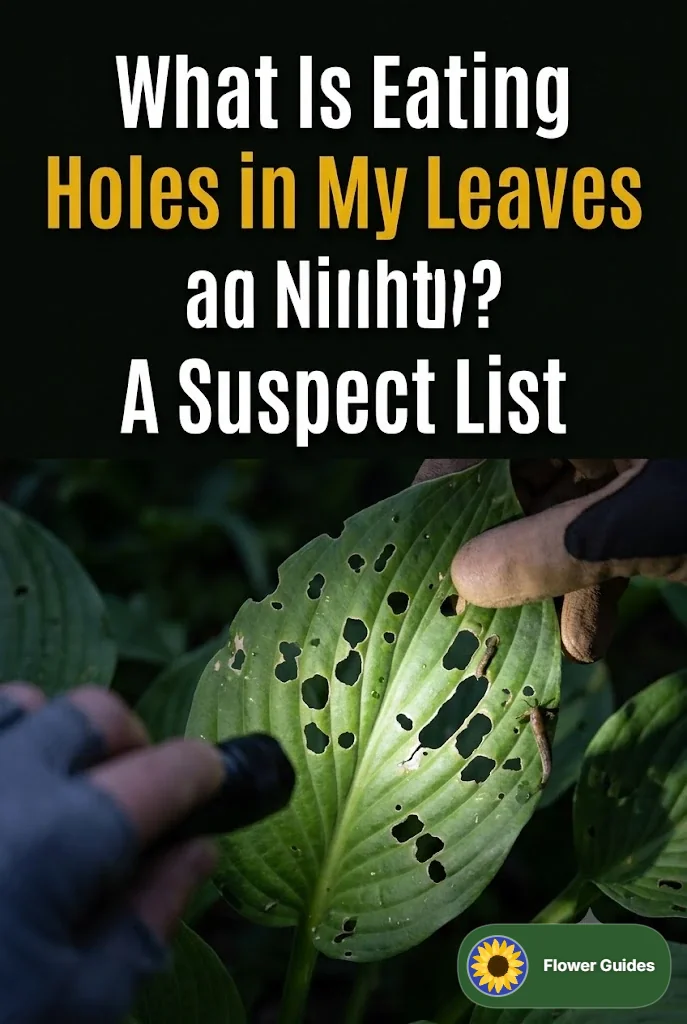
What Is Eating Holes in My Leaves at Night? A Suspect List
Have you ever stepped out into your garden only to find your plants marred by mysterious holes in their leaves? It’s disheartening to invest time and energy into your garden, only to witness it being ravaged overnight. While it’s tempting to think it’s a simple case of pests, a range of culprits could be responsible for this dilemma. Understanding what might be eating your leaves at night can save your plants and restore your garden’s health.
Quick Answer
The leaves of your plants may be getting eaten by nocturnal pests such as slugs, snails, caterpillars, or even deer. Identifying these culprits is crucial to protecting your garden and ensuring your plants thrive.
Common Leaf-Eating Culprits
1. Slugs and Snails
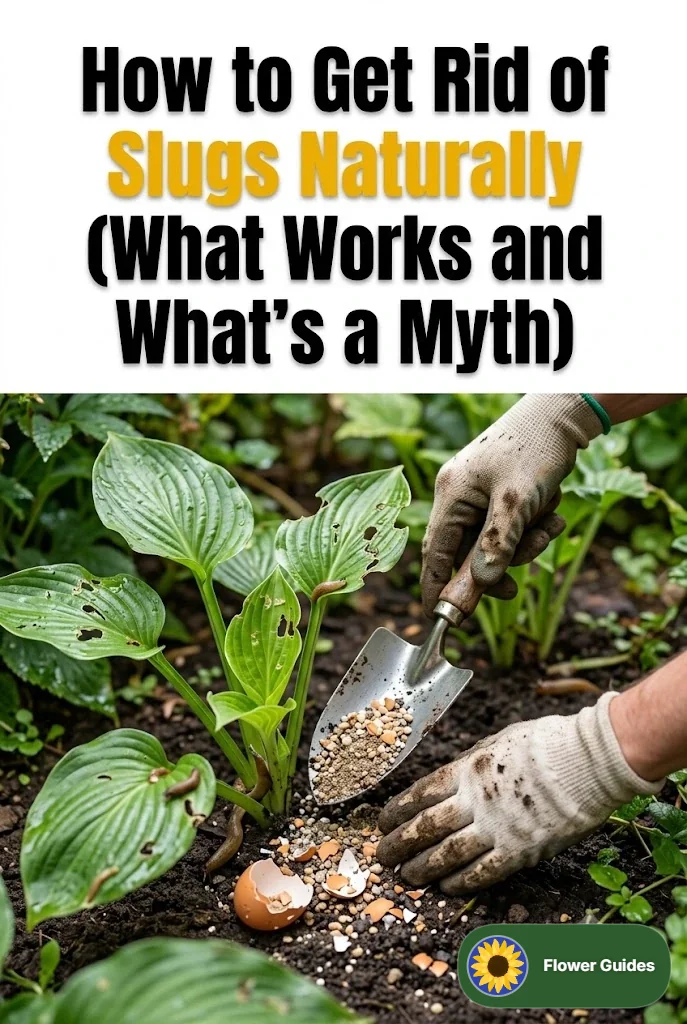
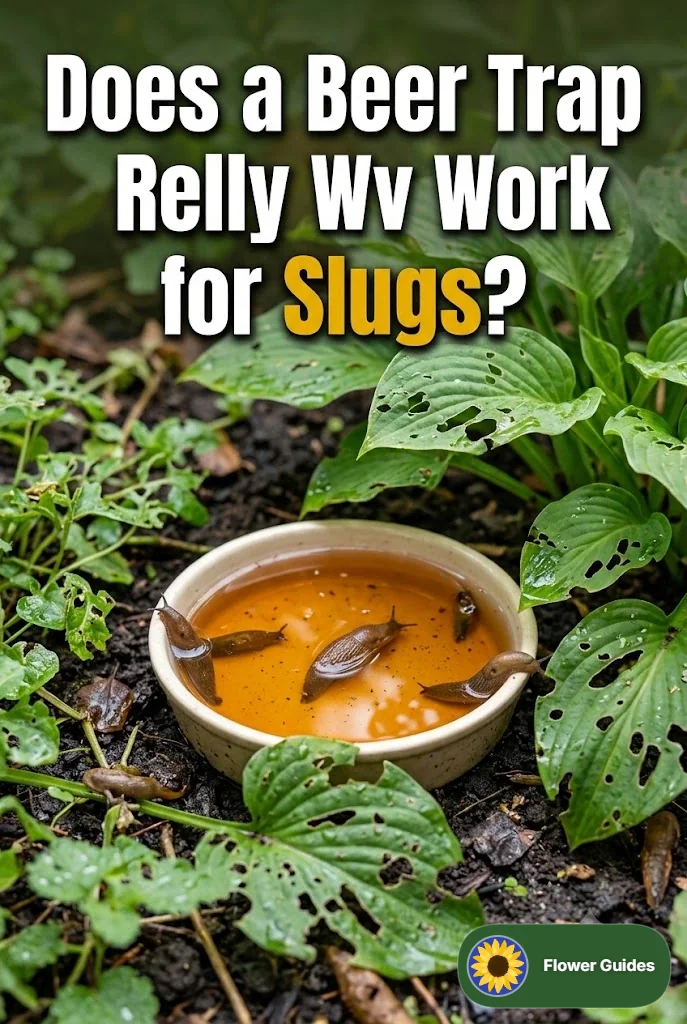
Slugs and snails are notorious for their leaf-chewing habits, particularly at night when they venture out to feed. Their soft bodies are protected from dehydration by the moisture of the night, making it an ideal feeding time.
- Signs: Look for irregular holes with smooth edges, as well as slime trails on leaves or soil.
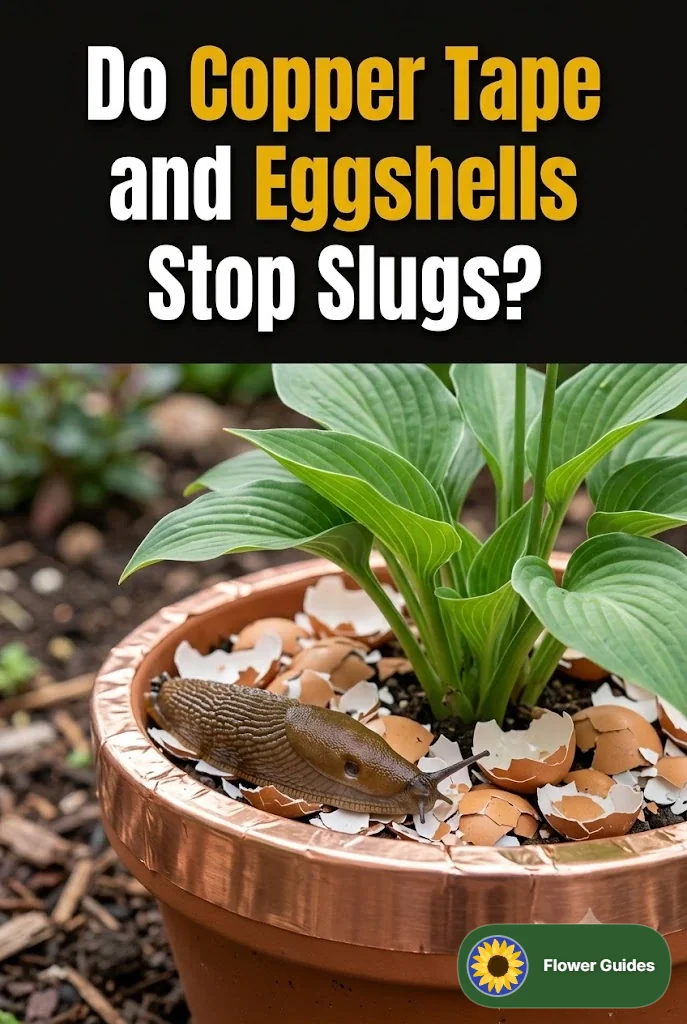
- Control Methods: Use copper tape around plant beds, set up beer traps, or hand-pick them in the early morning.
2. Caterpillars
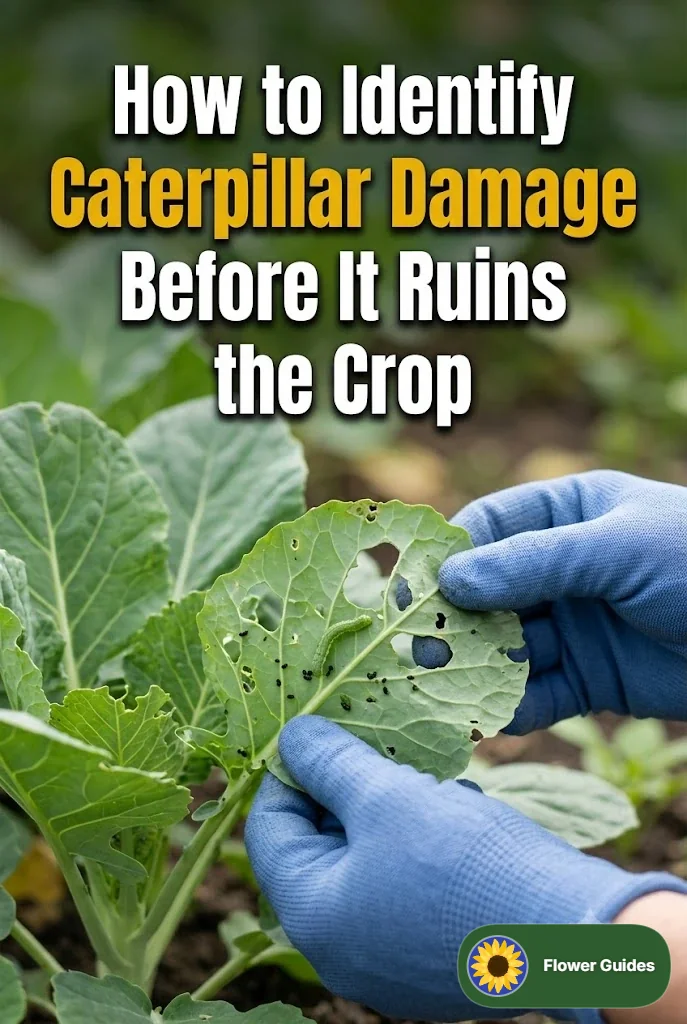
Many caterpillar species are active at night, munching on leaves as they prepare for their transformation into moths or butterflies. Some may even hide during the day, making them harder to spot.
- Signs: Look for large holes, frass (caterpillar droppings), or silk webs on plants.
- Control Methods: Handpick caterpillars or use Bacillus thuringiensis (Bt), an organic pesticide that targets them specifically.
3. Deer and Rabbits
While deer and rabbits are more visible during the day, they can occasionally graze at night, especially if they feel safe in your garden.
- Signs: Look for cleanly cut edges on leaves and stems, as well as tracks or droppings nearby.
- Control Methods: Install fencing, use motion-activated sprinklers, or apply repellents made from natural ingredients.
4. Beetles
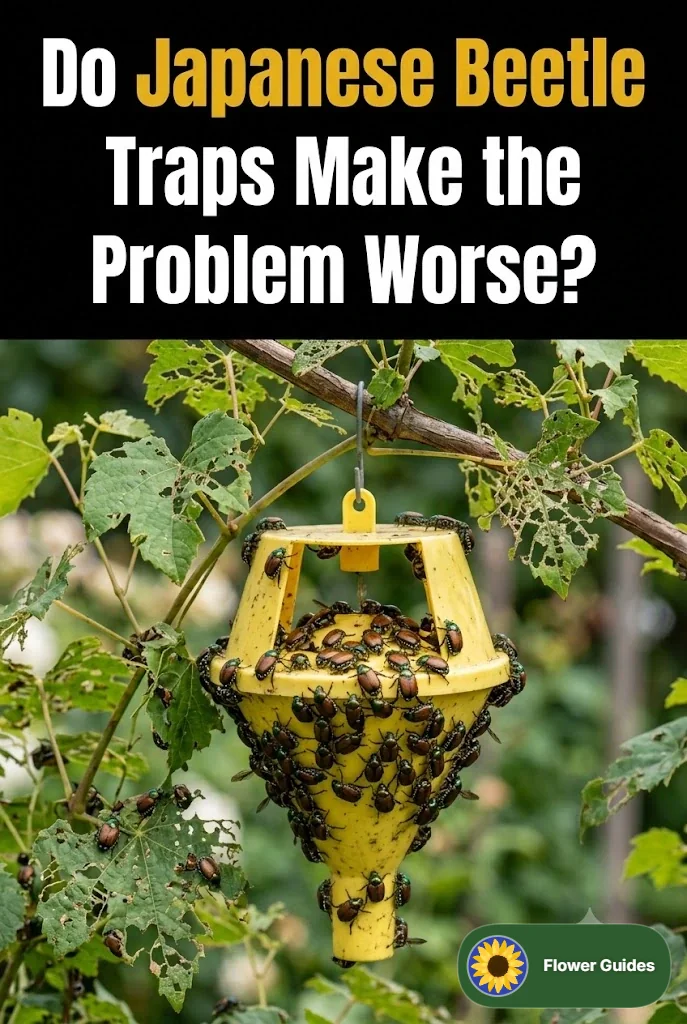
Nighttime foraging beetles can cause substantial damage to your plants. Certain species like the Japanese beetle tend to be most active during the evening hours.
- Signs: Irregular holes on leaves, along with the presence of beetles themselves.
- Control Methods: Hand-pick beetles or use insecticidal soap to deter them.
Identifying the Damage
Understanding the type of damage can help narrow down the suspects. Here’s how to identify damage caused by various pests:
- Ragged Holes: Often caused by caterpillars or snails.
- Clean-Cut Edges: Typically the work of deer or rabbits.
- Small Puncture Holes: Could be from beetles or other insects.
- Silk Webbing: Indicates the presence of caterpillars or spider mites.
Preventive Measures
Taking preventive steps can significantly reduce the likelihood of damage to your plants. Here are some effective strategies to keep in mind:
- Regular Monitoring: Inspect your plants frequently, especially at night, to catch pests early.
- Encourage Beneficial Insects: Ladybugs, lacewings, and parasitic wasps can help control pest populations naturally.
- Maintain Garden Hygiene: Keep your garden free of debris, which can harbor pests and provide hiding spots.
- Use Barriers: Employ row covers or netting to physically block pests from accessing your plants.
Pinterest-Style Ideas for a Healthy Garden
If you’re looking to inspire your garden journey, here are some creative ideas to keep your plants safe while also adding beauty to your space:
- Plant Companion Flowers: Marigolds and nasturtiums can deter pests while adding vibrant color.
- Create Natural Repellents: Infuse water with garlic or hot pepper and spray it on plants to keep unwanted pests at bay.
- Design a Night Garden: Plant night-blooming flowers that attract beneficial insects and create a beautiful evening ambiance.
- Set Up Night Cameras: Document garden visitors with night vision cameras to better understand who your nighttime intruders are.
Expert Tips
Here are some lesser-known tips for keeping those pesky leaf-eaters at bay:
- Rotate Your Crops: Changing the location of your plants each year can disrupt pest life cycles.
- Use Diatomaceous Earth: Sprinkle this natural powder around your plants to deter soft-bodied pests like slugs and snails.
- Attract Birds: Installing bird feeders and baths can invite natural predators that help control pest populations.
Common Questions
What can I do if I see holes in my leaves?
Start by inspecting the plants to identify the pest causing the damage. Implement control measures such as hand-picking, using barriers, or applying organic pesticides.
Are there natural ways to deter pests?
Yes, using natural repellents like garlic spray, maintaining garden hygiene, and encouraging beneficial insects can help deter pests effectively.
How do I know if I have slugs or snails?
Look for slime trails, irregular holes in leaves, and signs of feeding at night when these pests are most active.
Conclusion
Understanding what is eating holes in your leaves at night can empower you to take the right steps toward protecting your garden. By identifying the culprits and employing effective strategies, you can reclaim your plants’ health and beauty. Don’t hesitate to experiment with various methods, and soon enough, your garden will be thriving once more.