How to Identify Caterpillar Damage Before It Ruins the Crop
As gardeners and farmers, we often pour our hearts into nurturing our crops, only to find them under attack from pests like caterpillars. These voracious eaters can wreak havoc in a short amount of time, leaving your plants looking sad and unhealthy. Identifying caterpillar damage early on is crucial to protecting your harvest and ensuring a thriving garden. Let’s explore the signs of caterpillar damage, how to spot it, and the best strategies to combat these pesky intruders.
Quick Answer
To identify caterpillar damage, look for irregular holes in leaves, frass (caterpillar droppings), and chewed edges. Early detection allows for timely intervention, helping to save your crops from severe damage.
Recognizing Caterpillar Damage
Understanding what caterpillar damage looks like is the first step in protecting your plants. Here are some common signs to watch out for:
1. Leaf Damage
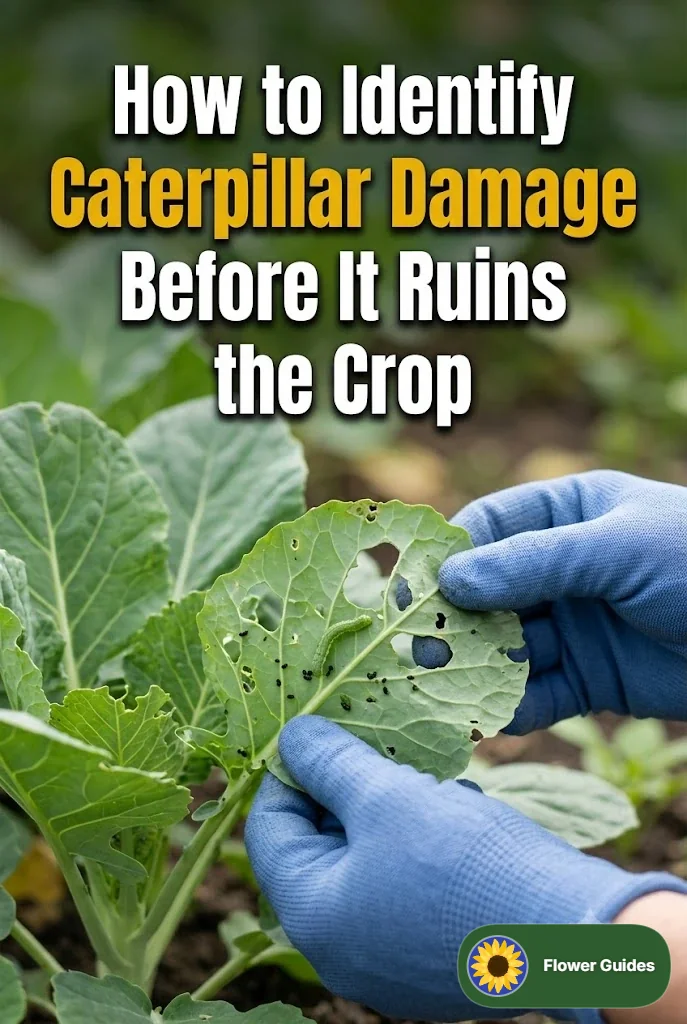
- Irregular Holes: Caterpillars typically chew through leaves, creating uneven holes. Look for patches where leaves seem to be missing.
- Chelating Edges: You may notice that the edges of leaves are chewed more than the center, giving them a ragged appearance.
- Complete Defoliation: In severe cases, caterpillars can strip leaves entirely, leaving behind bare stems.
2. Frass
Frass is a term used to describe the droppings of caterpillars. These small, dark pellets can often be found near the base of affected plants or on the leaves themselves. Finding frass indicates that caterpillars are feeding nearby.
3. Silk Webbing
Some caterpillars produce silk threads as they feed. You might find these silky strands connecting leaves or plants, indicating their presence.
Step-by-Step Guide to Inspecting Your Crops
Regular inspections are essential for early detection of caterpillar damage. Here’s how to effectively check your plants:
- Timing is Key: Conduct inspections in the early morning or late afternoon when caterpillars are most active.
- Visual Inspection: Examine both the tops and undersides of leaves. Caterpillars often hide on the underside to avoid predators.
- Check for Frass: Look for frass pellets, which can help you pinpoint the areas of most significant damage.
- Monitor for Eggs: Inspect for clusters of tiny eggs laid on leaves. They can be a sign of future caterpillar infestations.
Preventive Measures
Preventing caterpillar damage can save you time and effort in the long run. Here are some proactive steps you can take:
- Choose Resistant Varieties: Select crop varieties that are known to be less susceptible to caterpillar damage.
- Healthy Soil: Maintain healthy soil to promote robust plant growth, making them less appealing to pests.
- Companion Planting: Use companion plants, such as marigolds or nasturtiums, which can repel caterpillars and other pests.
- Row Covers: Protect young plants with floating row covers, which act as barriers against caterpillars and other insects.
Combatting Caterpillar Damage
If you’ve already spotted caterpillar damage, don’t panic! Here are some effective methods to manage and control the situation:
1. Handpicking
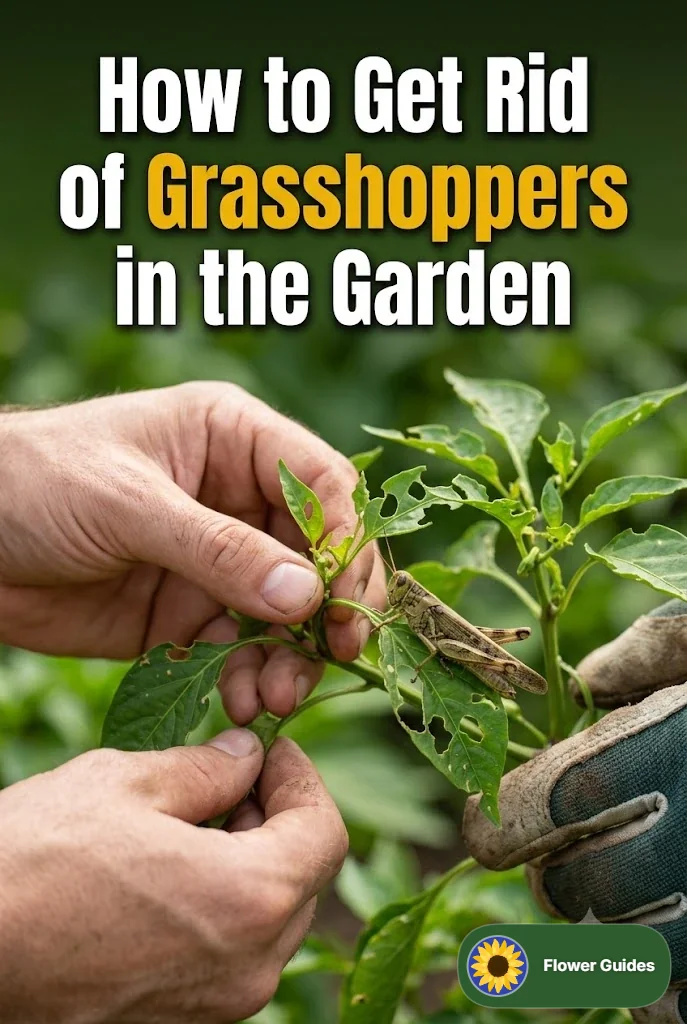
For smaller gardens, handpicking caterpillars can be an effective solution. Wear gloves and gently remove them from your plants, placing them in a bucket of soapy water to eliminate them.
2. Natural Predators
Encouraging natural predators like birds, parasitic wasps, and beneficial insects can help keep caterpillar populations in check. You can attract these helpful allies by planting diverse flora and providing birdhouses.
3. Organic Insecticides
If the infestation is severe, consider using organic insecticides like Bacillus thuringiensis (Bt). This naturally occurring bacteria is safe for plants and humans but lethal to caterpillars.
4. Neem Oil
Neem oil is another organic option that disrupts the life cycle of caterpillars, making it harder for them to feed and reproduce. Spray neem oil on affected plants according to the product instructions.
Pinterest-Style Ideas for Caterpillar Management
Here are some unique and visual ideas to help you manage caterpillar damage while beautifying your garden:
- Colorful Barriers: Use vibrant fabric or mesh row covers to keep pests away while adding a pop of color to your garden.
- Decorative Birdhouses: Create eye-catching birdhouses to attract feathered friends that will feast on unwanted caterpillars.
- Herb Gardens: Plant a fragrant herb garden with basil, mint, and rosemary, which can repel caterpillars and enhance your cooking.
Expert Tips for Effective Management
Here are some insider tips that can make a significant difference in your battle against caterpillars:
- Regular Monitoring: Keep a schedule for regular inspections. The earlier you catch caterpillar damage, the easier it will be to control.
- Rotate Crops: Practice crop rotation to disrupt the life cycle of caterpillars and prevent them from establishing a stronghold.
- Stay Informed: Educate yourself about the specific caterpillar species common in your area and their life cycles to tailor your management strategies.
Common Questions About Caterpillar Damage
1. What types of plants are most affected by caterpillars?
Commonly affected plants include vegetables like cabbage, broccoli, and tomatoes, as well as ornamental flowers. However, caterpillars can target many plant types.
2. How can I tell if I have a caterpillar infestation?
Look for signs such as chewed leaves, frass, and the presence of caterpillars themselves. Regular inspections will help you catch infestations early.
3. Are there any natural repellents for caterpillars?
Yes! Sprays made from hot pepper, garlic, or essential oils can deter caterpillars and other pests without harming beneficial insects.
Conclusion
Identifying and managing caterpillar damage before it ruins your crops is an essential skill for any gardener. By staying vigilant, employing preventive measures, and utilizing effective management strategies, you can protect your plants and enjoy a flourishing garden. Remember, early detection is key, so make inspecting your crops a regular part of your gardening routine. Happy gardening!