
How to Get Rid of Spider Mites Outdoors in Hot Weather
As temperatures rise and summer settles in, gardeners often face a common foe: spider mites. These tiny pests can wreak havoc on your outdoor plants, sucking the life out of leaves and weakening their overall health. But fear not! With the right strategies, you can effectively manage and eliminate spider mites even during the sweltering heat. Let’s explore actionable methods to protect your garden and keep your plants thriving.
Quick Answer
To get rid of spider mites outdoors in hot weather, use a combination of water sprays, natural predators, and organic insecticides. Regularly monitor your plants and maintain their health with proper watering and nutrient management to create an environment less favorable for these pests.
Understanding Spider Mites
Spider mites are not insects but arachnids and can be particularly troublesome in hot, dry conditions. They thrive in warm weather, multiplying rapidly and causing significant damage to plants. Understanding their life cycle and behavior is crucial for effective control.
Life Cycle and Behavior
- Spider mites begin as eggs, which hatch into larvae, then progress to nymphs, and finally mature into adults.
- They reproduce quickly, with females laying up to 20 eggs per day.
- They thrive in dry, dusty environments, making hot weather an ideal condition for their proliferation.
Signs of Infestation
Identifying spider mite infestations early can save your plants from significant damage. Look for the following signs:
- Yellowing leaves, often starting from the bottom up.
- Fine webbing on leaves and stems.
- Small, speckled dots on leaves, indicating feeding damage.
- Leaf drop or wilting, which can indicate severe stress from feeding.
Effective Control Methods
Managing spider mites in hot weather requires a proactive approach. Here are several effective strategies to keep these pests in check:
1. Water Sprays
One of the simplest and most effective methods for controlling spider mites is using water sprays. This method is especially useful during hot weather:
- Timing: Spray early in the morning or late in the evening to avoid leaf burn.
- Technique: Use a strong jet of water to dislodge mites from affected plants. Focus on the undersides of leaves where mites tend to hide.
- Frequency: Repeat every few days, especially after dry spells.
2. Introduce Natural Predators
Encouraging beneficial insects can help keep spider mite populations under control:
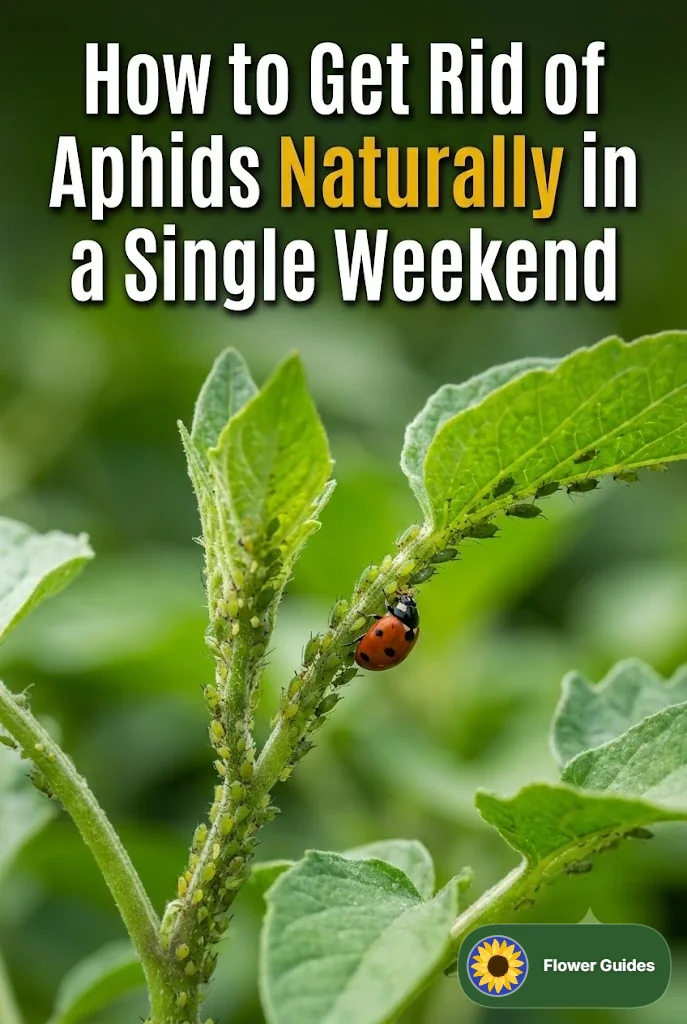
- Ladybugs: These insects feed on spider mites and can significantly reduce their numbers.
- Lacewings: Their larvae are voracious predators of spider mites.
- Predatory Mites: Species such as Phytoseiulus persimilis are specifically known to target spider mites.
To attract these beneficial insects, consider planting flowers such as marigolds and yarrow, which provide nectar and habitat.
3. Organic Insecticides
If infestations are severe, organic insecticides can provide a more aggressive solution:
- Neem Oil: This natural pesticide disrupts the life cycle of spider mites and can be effective when used consistently.
- Insecticidal Soap: This option suffocates mites on contact and is safe for most plants.
- Horticultural Oils: Similar to neem oil, these can help smother mites and are effective in hot weather.
Always follow the label instructions and test on a small section of the plant first to ensure there is no adverse reaction.
4. Maintain Plant Health
Healthy plants are less susceptible to infestations. Here are some tips to maintain your garden’s vitality:
- Proper Watering: Ensure consistent watering, especially during hot days, to prevent stress on your plants.
- Fertilization: Use balanced fertilizers to promote robust growth, which can help plants withstand pest pressure.
- Dust Control: Regularly wash off dust from leaves, as spider mites thrive in dusty conditions. A clean leaf surface is less attractive to them.
Pinterest-Style Ideas for Spider Mite Management
For a visually appealing garden, consider implementing these creative ideas:
- Create a Habitat for Beneficial Insects: Plant a diverse range of flowers to attract ladybugs and lacewings.
- Use Companion Planting: Planting garlic or chives near vulnerable plants can deter spider mites naturally.
- DIY Mite Traps: Use yellow sticky traps to monitor and reduce spider mite populations.
Expert Tips
Here are some lesser-known tips that can further enhance your spider mite management:
- Monitor your plants regularly, especially during hot spells, to catch early signs of infestation.
- Rotate your insecticide options to prevent spider mites from developing resistance.
- Consider planting resilient varieties that are less prone to spider mite damage.
Common Questions (FAQ)
1. Can spider mites survive in hot weather?
Yes, spider mites thrive in hot and dry conditions, making them more active and prone to infestations during summer.
2. How often should I spray my plants to control spider mites?
Spray your plants every few days during hot weather, especially after watering or rainfall, to dislodge any newly settled mites.
3. Are there any plants that repel spider mites?
Plants like marigolds, garlic, and basil can help repel spider mites due to their natural properties and scents.
4. What’s the best way to identify spider mites?
Look for fine webs on the undersides of leaves, yellowing foliage, and tiny speckled dots indicating feeding damage.
Conclusion
Managing spider mites outdoors during hot weather doesn’t have to be a daunting task. By using effective water sprays, introducing natural predators, and maintaining plant health, you can create a thriving garden free from these pesky pests. Implement these strategies, and watch your plants flourish all summer long!