Tiny Black Bugs on Plants That Jump: What They Are
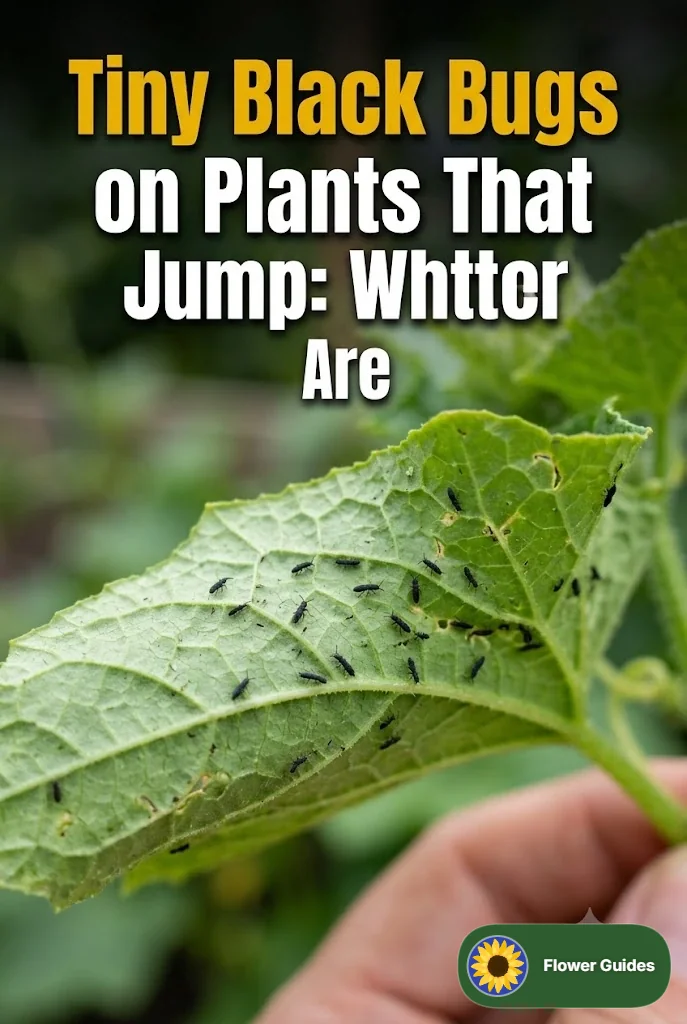
Finding tiny black bugs on your plants that seem to jump can be quite alarming. You may wonder if they are harmful or how to get rid of them. These pests can wreak havoc on your garden and indoor plants if left unchecked. Understanding what these bugs are and how to manage them is essential for maintaining a healthy garden. Let’s dive into the world of these tiny critters and learn how to identify, prevent, and treat infestations effectively.
Quick Answer
Tiny black bugs on plants that jump are often flea beetles or springtails. Flea beetles are small, shiny black insects that can damage plant leaves, while springtails are harmless creatures primarily found in moist environments. Identifying them correctly is the first step in addressing any issues they may cause.
Identifying the Bugs
Before taking action, you need to correctly identify these jumping pests. Here are the most common culprits:
Flea Beetles
- Appearance: Flea beetles are tiny, usually about 1/10 inch long, and have a shiny black or metallic body.
- Behavior: They jump when disturbed, resembling fleas, hence their name.
- Damage: These pests create small holes in leaves, leading to significant damage if populations are high.
Springtails
- Appearance: Springtails are slightly larger than flea beetles, measuring about 1/16 inch, and may be black, gray, or even white.
- Behavior: They have a unique ability to jump using a forked appendage called a furcula.
- Damage: Unlike flea beetles, springtails primarily feed on decaying organic matter and are usually harmless to plants.
Understanding Their Habitats
Both flea beetles and springtails thrive in specific environments. Knowing these can help in prevention and control.
Flea Beetles
- They prefer warm, dry conditions and are often found in vegetable gardens, particularly among crops like eggplants, tomatoes, and peppers.
- Flea beetles are attracted to young plants, making seedlings particularly vulnerable.
Springtails
- Springtails thrive in moist environments, often found in soil that retains water or in compost piles.
- They can be more prevalent in indoor plants, especially when overwatering occurs.
Step-by-Step Guide to Managing Flea Beetles
If you’ve identified flea beetles on your plants, here’s how to manage them effectively:
- Inspect Regularly: Regularly check your plants for signs of flea beetles, particularly on the undersides of leaves.
- Use Row Covers: Protect young plants with floating row covers to prevent adult beetles from laying eggs.
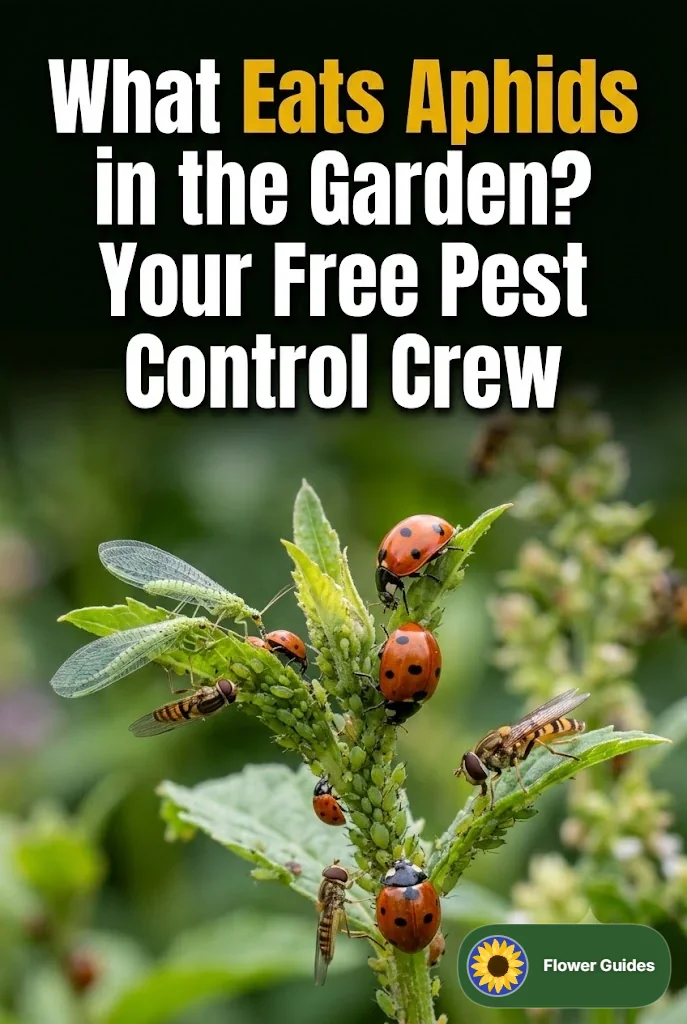
- Encourage Beneficial Insects: Attracting natural predators like ladybugs and lacewings can help control flea beetle populations.
- Apply Neem Oil: Neem oil is a natural pesticide that disrupts the life cycle of flea beetles without harming beneficial insects.
- Crop Rotation: Change the location of your crops each year to prevent flea beetles from establishing a presence.
Managing Springtails
Springtails are generally harmless, but if their populations become excessive, consider these management strategies:
- Reduce Moisture: Ensure your plants are not overwatered. Allow the soil to dry out between waterings.
- Improve Drainage: If your pots or garden beds hold water, consider adding drainage materials like perlite or sand.
- Remove Organic Debris: Clean up fallen leaves and decomposing matter around your plants to limit their food source.
Pinterest-Style Ideas for Pest Management
Visually appealing ideas can make pest management more engaging. Here are some unique concepts:
- Create Natural Pesticide Spray: Combine water, soap, and essential oils in a spray bottle for an attractive, homemade pesticide.
- Design a Companion Planting Layout: Pair plants that repel flea beetles—like marigolds—with your favorite vegetables for a vibrant garden.
- Make a DIY Trapped Insect Sticky Board: Use yellow sticky paper to attract and trap adult beetles, adding a splash of color to your garden.
Expert Tips for Prevention
Keep your garden thriving with these insider tips:
- Regular Monitoring: Make it a habit to inspect your plants weekly. Early detection can save your garden from severe infestations.
- Healthy Soil: Invest in organic compost and fertilizers to strengthen plant health, making them less susceptible to pests.
- Plant Diversity: A diverse garden can confuse pests and reduce their ability to spread.
Common Questions
Are jumping bugs harmful to my plants?
While flea beetles can cause damage to leaves, springtails are generally harmless and do not affect plant health.
How can I tell the difference between flea beetles and springtails?
Flea beetles are shiny and jump when disturbed, while springtails are usually more rounded and jump using a forked tail.
What should I do if I find a large infestation?
For flea beetles, consider using insecticidal soap or neem oil. For springtails, reduce moisture levels and improve drainage.
Conclusion
Identifying and managing tiny black bugs that jump on your plants doesn’t have to be daunting. With the right knowledge and tools, you can protect your plants and maintain a thriving garden. Remember, early detection and proper care are key to keeping these pesky pests at bay. Embrace the beauty of gardening while staying vigilant, and you’ll enjoy a flourishing, healthy landscape.