Do Squirrels Eat Tomatoes and Why Do They Take One Bite?
Have you ever spotted a squirrel in your garden, only to find your ripe tomatoes mysteriously nibbled? It can be frustrating to watch these furry bandits munching on your hard-earned produce. Squirrels are known for their cheeky antics, but their behavior can leave many gardeners puzzled. Do they really enjoy tomatoes, and if so, why do they only take one bite? Let’s dive into the curious world of squirrel eating habits and discover how to protect your garden from these little intruders.
Do Squirrels Eat Tomatoes?
Yes, squirrels do eat tomatoes! These furry creatures are omnivores and their diet consists of a variety of foods, including nuts, seeds, fruits, and vegetables. Tomatoes, with their juicy flesh and vibrant color, can attract squirrels just like a magnet. While they may not be their primary food source, squirrels will certainly indulge in a ripe tomato if they have the chance.
The Allure of Tomatoes
- Color and Smell: Ripe tomatoes emit a sweet aroma and bright red color that appeals to squirrels’ senses.
- Water Content: With their high water content, tomatoes are a refreshing treat, especially during hot summer months.
- Soft Texture: The soft flesh of tomatoes makes them easy for squirrels to nibble on.
Why Do Squirrels Only Take One Bite?
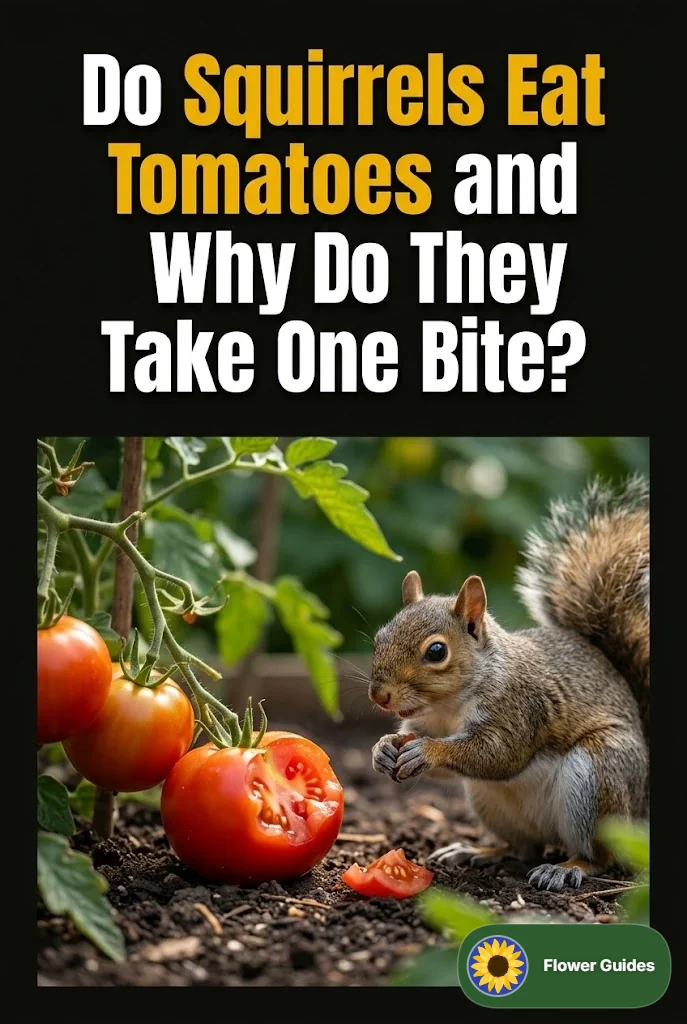
Have you ever found a half-eaten tomato in your garden? It’s a common occurrence that leaves many gardeners scratching their heads. The reason behind this behavior might surprise you!
Food Exploration
Squirrels are naturally curious creatures. When they come across a tomato, they may take a bite simply to explore it. This behavior is part of their instinctual foraging habits, as they often sample different foods to determine what is palatable.
Seeking Variety
Squirrels have a diverse diet and tend to sample various food sources. If a squirrel bites into a tomato and finds it to their liking, they might not eat the whole thing due to their desire to try something else. It’s like a tiny taste test!
Risk Assessment
In the wild, squirrels are constantly on the lookout for predators. Taking just one bite allows them to quickly assess whether the food is safe to eat. If they detect any potential danger, they can retreat without consuming too much of the fruit.
Feeding Young
In some instances, squirrels might take a single bite of a tomato and then leave it behind to bring back for their young. They may be gathering food and sampling it to determine what is best for their offspring.
How to Protect Your Tomatoes from Squirrels
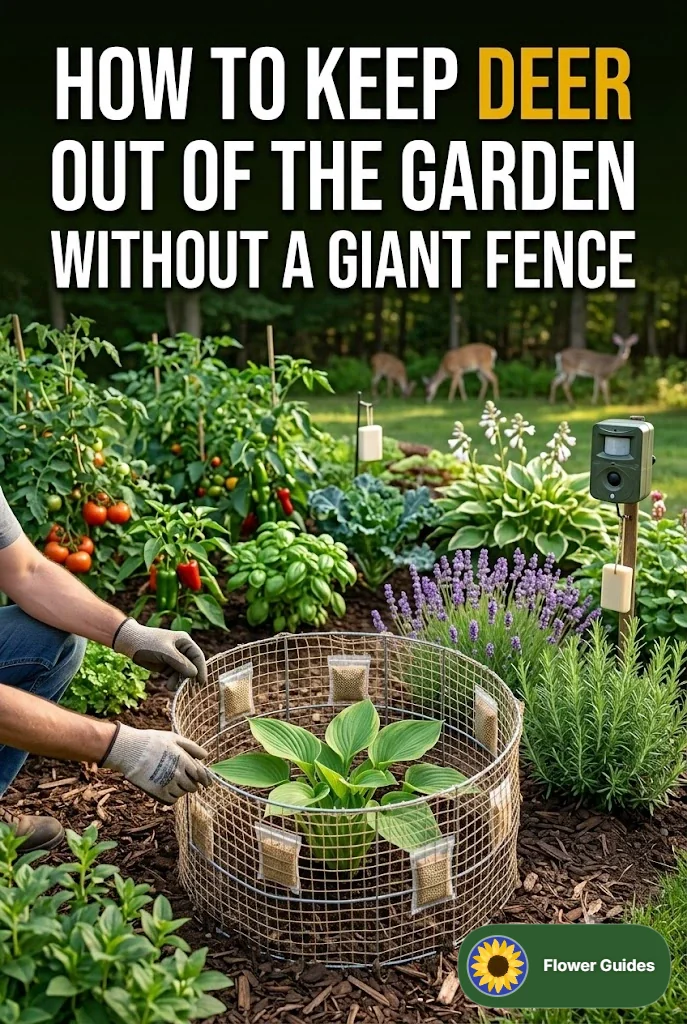
If you’re tired of sharing your tomatoes with squirrels, there are several strategies you can employ to keep them at bay:
Physical Barriers
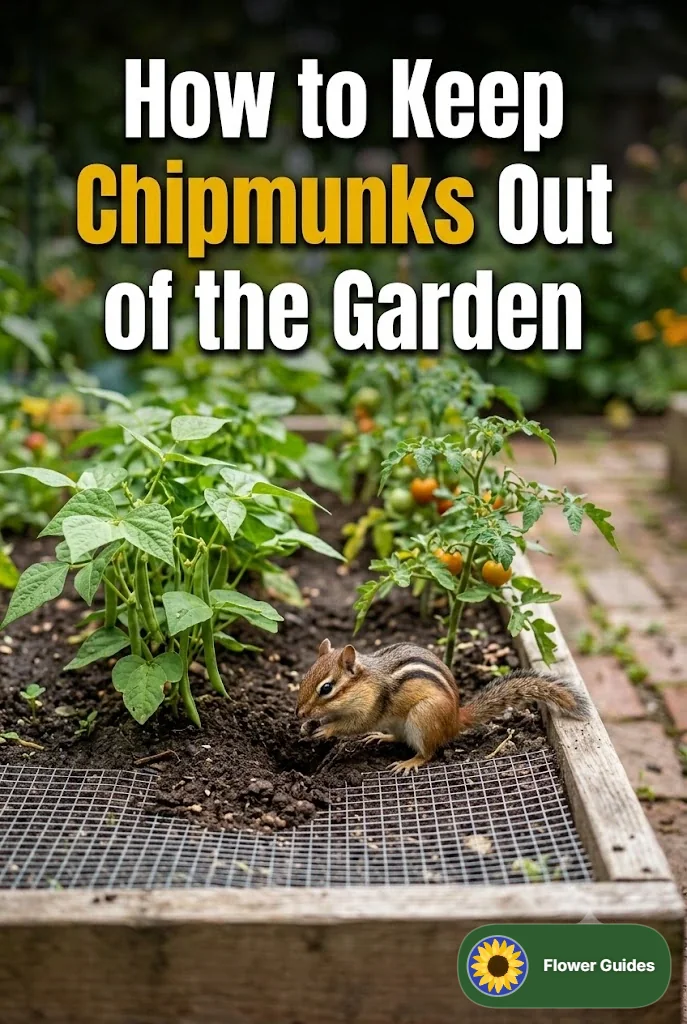
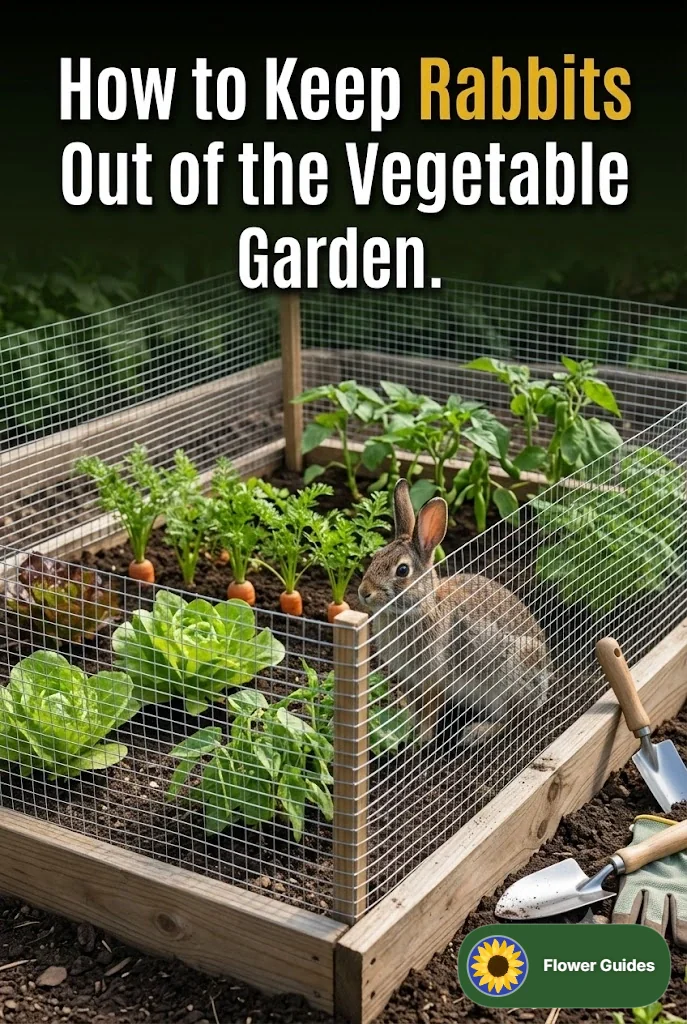
- Netting: Use bird netting around your tomato plants to create a barrier that squirrels can’t penetrate.
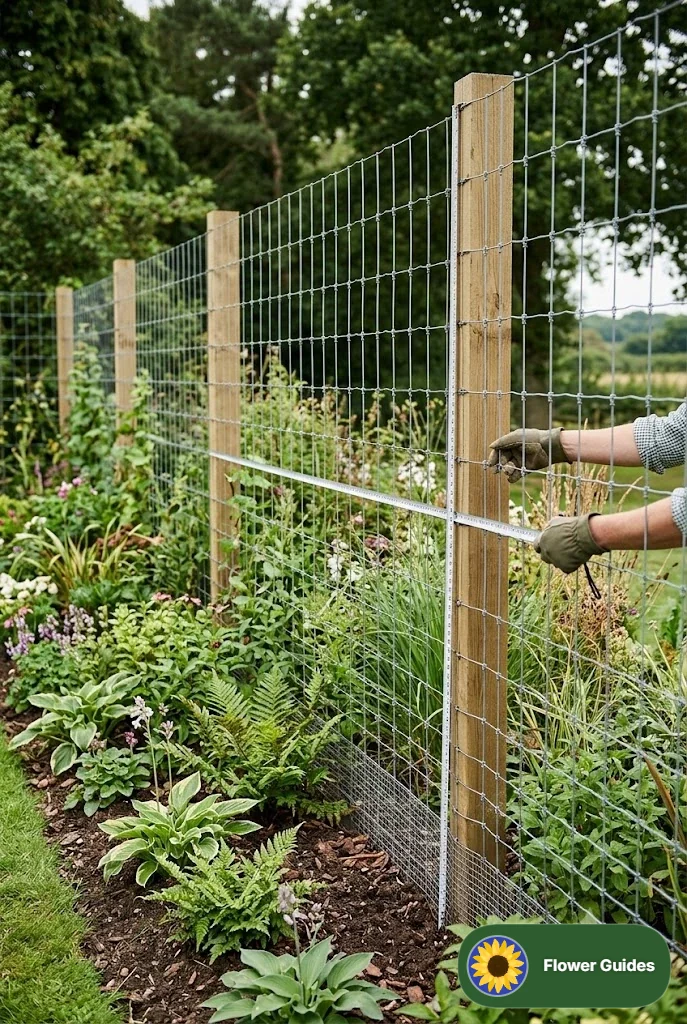
- Fencing: Installing a fence around your garden can deter squirrels. Make sure it’s at least three feet high and buried a few inches underground to prevent digging.
Scents and Repellents
- Strong Scents: Squirrels are sensitive to certain smells. Spraying a mixture of water and hot pepper sauce around your plants can deter them.
- Commercial Repellents: There are many store-bought repellents designed specifically for keeping squirrels away from gardens.
Decoys and Distractions
- Feeding Stations: Set up a feeding station for squirrels away from your tomatoes. Fill it with nuts or seeds to lure them away.
- Decoy Foods: Plant some sacrificial crops, such as corn or sunflower seeds, to distract squirrels from your tomatoes.
Expert Tips for Tomato Growing
While protecting your tomatoes from squirrels, it’s also essential to ensure that your plants are thriving. Here are some expert tips to help you grow healthy and delicious tomatoes:
Choose the Right Varieties
Some tomato varieties may be more appealing to squirrels than others. Consider growing less sweet or less fragrant varieties if you’re experiencing issues with squirrel attacks.
Optimal Planting Conditions
Ensure your tomatoes are planted in well-draining soil and receive adequate sunlight. Healthy plants can better withstand pest attacks.
Regular Harvesting
Regularly harvest your tomatoes as they ripen. This reduces the chance of squirrels getting to them first. Once the tomatoes start to change color, check them daily!
Common Questions About Squirrels and Tomatoes
Are squirrels harmful to tomato plants?
While squirrels may nibble on tomatoes, they typically do not harm the plants themselves. However, they can cause stress and loss of fruit if they are persistent.
How do I know if squirrels are eating my tomatoes?
Look for bite marks or half-eaten fruit. You may also notice squirrel tracks or droppings around your garden.
Can I use traps to catch squirrels?
Yes, humane traps can be used to catch squirrels, but check local regulations regarding the relocation of wildlife.
Conclusion
Understanding why squirrels eat tomatoes and why they only take one bite helps us appreciate their quirky behaviors while finding ways to protect our gardens. By implementing effective strategies, you can enjoy your homegrown tomatoes without sharing them with these curious critters. Happy gardening!