How to Get Rid of Moles Without Killing Them
Moles can be a gardener’s worst nightmare. These little burrowing critters may be fascinating in their own right, but their tunneling habits can wreak havoc on your beautifully manicured lawn and garden. Instead of resorting to harmful methods that can kill these creatures, there are several humane ways to encourage them to relocate. Here’s your guide to getting rid of moles without harming them, ensuring your garden thrives while allowing nature to continue its course.
Understanding Moles and Their Behavior
Before diving into humane methods, it’s essential to understand why moles invade your yard. Moles are insectivores, primarily feeding on earthworms, grubs, and other soil-dwelling insects. Their tunneling is not only a way to find food but also aerates the soil, which can actually benefit your garden in the long run. However, if their presence becomes overwhelming, here’s how to manage it effectively.
Identifying Mole Activity
- Surface Tunnels: Look for raised ridges in your lawn where moles have pushed soil to the surface. These indicate active tunnels.
- Molehills: Small piles of soil that appear suddenly are often a sign of a mole’s presence.
- Signs of Damage: If you notice wilting plants or uneven soil, they might be the result of mole activity.
Humane Ways to Get Rid of Moles
There are several effective and humane strategies to encourage moles to move on without causing them harm. Here are some practical methods to consider:
1. Create a Natural Deterrent
Moles are sensitive to certain smells and tastes. Here are a few natural deterrents you can use:
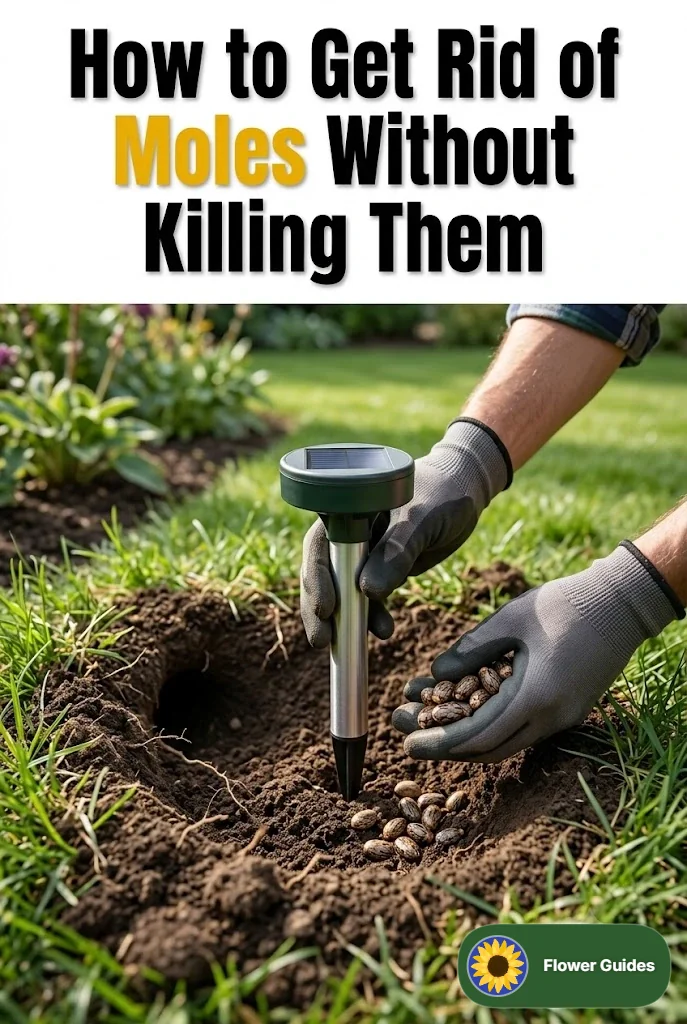
- Castor Oil: Mix castor oil with water and spray it around your garden. Moles dislike the smell and taste, prompting them to leave.
- Essential Oils: Oils like peppermint or tea tree can repel moles. Dilute a few drops in water and spray the affected areas.
- Garlic or Hot Pepper: Sprinkling garlic powder or cayenne pepper around mole tunnels can deter them as they dislike the pungent smell.
2. Use Physical Barriers
Installing barriers can effectively keep moles out of your garden:
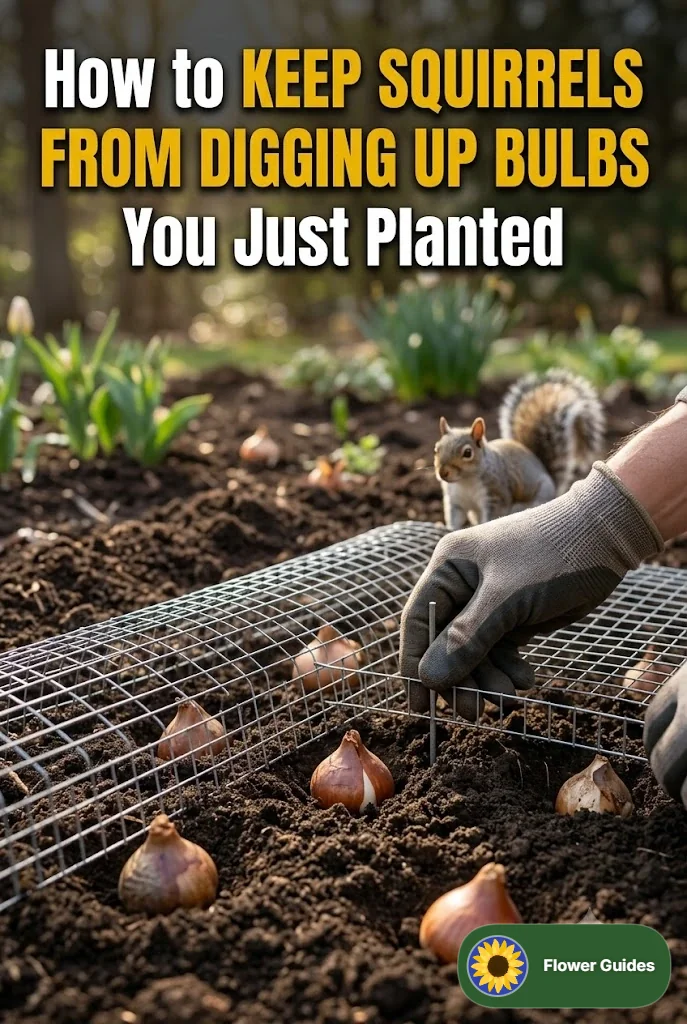
- Wire Mesh: Bury wire mesh or hardware cloth at least 12 inches deep around the perimeter of your garden to prevent moles from tunneling in.
- Raised Beds: Consider using raised garden beds. Moles typically won’t dig through the soil if there’s no direct access.
3. Encourage Natural Predators
Another way to manage moles is to introduce or encourage their natural predators:
- Owls and Hawks: Install owl boxes or perches to attract birds of prey that feed on moles.
- Cats and Dogs: Having pets that enjoy hunting can also help keep the mole population in check.
4. Remove Their Food Sources
Since moles are primarily after insects and grubs, reducing their food supply can encourage them to leave:
- Soil Aeration: Regularly aerate your lawn to reduce grub populations, making your garden less appealing to moles.
- Natural Pest Control: Utilize beneficial nematodes or other organic pest control methods to manage grubs and worms.
Expert Tips for Managing Moles Humanely
Here are some insider tips to ensure your efforts are effective:
- Consistency is Key: Regularly apply your chosen deterrents and maintain barriers for the best results.
- Timing Matters: Spring and fall are typically the most active times for moles. Focus your efforts during these seasons.
- Be Patient: Moles may take time to leave. Consistent application of methods is crucial for success.
Common Questions About Moles
1. Are moles harmful to my garden?
While moles can damage roots and create unsightly tunnels, their burrowing can also aerate the soil, benefiting your garden in some cases. Managing their population is often a better approach than complete eradication.
2. How can I tell if a mole is in my yard?
Look for raised tunnels, molehills, and signs of plant damage. These are all indicators of mole activity.
3. Do ultrasonic repellents work on moles?
Some gardeners have found success with ultrasonic repellent devices, but results can vary. It may be worth trying alongside other methods for better results.
4. What should I do if I accidentally trap a mole?
If you accidentally trap a mole, relocate it to a safe area at least a few miles away from your garden to prevent it from returning.
5. How long will moles stay in my yard?
It depends on the availability of food and habitat. If they find their food sources diminished, they will likely move on within a few weeks.
Conclusion
Getting rid of moles without harming them is not only possible but can also be a rewarding experience. By employing humane methods and understanding their behaviors, you can effectively manage these critters while maintaining the health of your garden. Embrace these strategies, and you might just find your garden thriving, all while respecting the balance of nature.