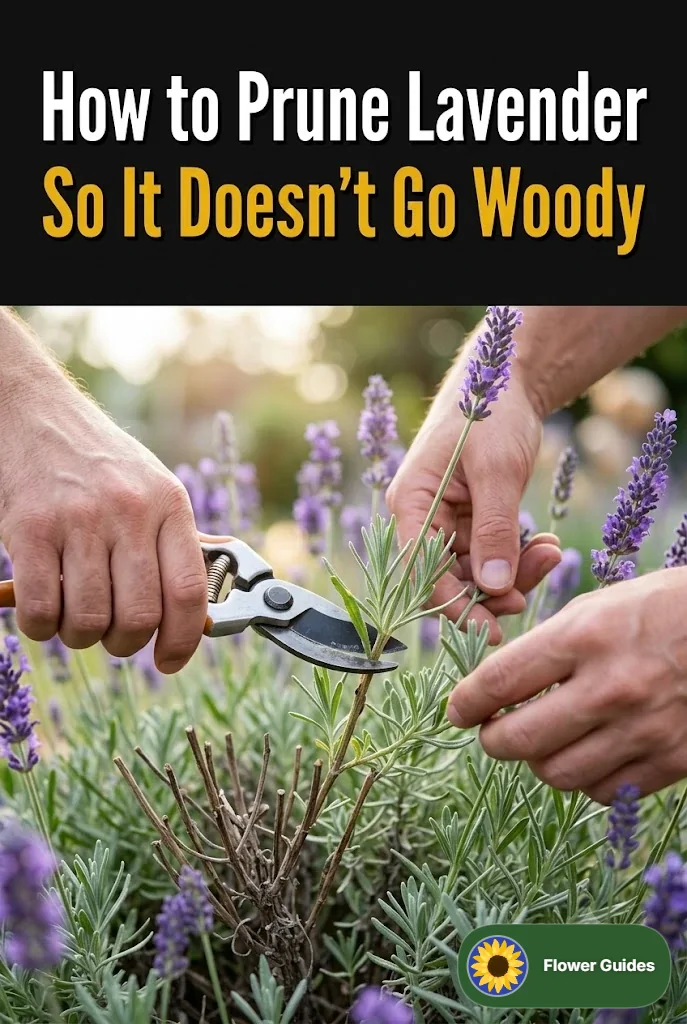
How to Prune Lavender So It Doesn’t Go Woody
Lavender is a beloved herb known for its fragrant blooms and calming properties. However, over time, lavender plants can become woody and less productive, leading to a less attractive and fragrant garden. Proper pruning is essential for maintaining healthy, bushy lavender plants that produce vibrant flowers. If you’re unsure how to prune lavender effectively, you’re in the right place. Let’s dive into the best practices for pruning lavender to ensure it remains lush and beautiful.
Quick Answer
To prevent lavender from becoming woody, prune it annually after flowering, cutting back about one-third of the plant. Focus on shaping the bush and removing any dead or damaged stems to promote new growth and flowering.
Understanding Lavender Growth
Before diving into pruning techniques, it’s crucial to understand how lavender grows. This perennial herb thrives in well-drained soil and sunny conditions. Over time, as lavender matures, it can develop a woody base, leading to fewer flowers and a less appealing appearance. Regular pruning helps rejuvenate the plant, encourages bushiness, and prevents the woody structure from taking over.
Types of Lavender
- English Lavender (Lavandula angustifolia): Known for its aromatic flowers, it is the most common variety used in gardens.
- French Lavender (Lavandula dentata): This type has a more upright growth habit and distinctive serrated leaves.
- Spanish Lavender (Lavandula stoechas): Recognizable by its unique flower spikes topped with bracts, it’s also quite popular.
When to Prune Lavender
Timing is everything when it comes to pruning lavender. The best time to prune is right after the last blooms have faded, typically in late summer or early fall. This timing allows the plant to recover before winter sets in and prepares it for vigorous growth in the spring.
Signs Your Lavender Needs Pruning
- Flowers appear sparse and less vibrant.
- The plant has become leggy, with long stems and fewer leaves.
- Dead or woody stems are visible, indicating the plant is maturing.
Step-by-Step Pruning Guide
Follow these steps to prune your lavender effectively and keep it healthy.
Gather Your Tools
Before starting, gather the necessary tools for pruning:
- Sharp pruning shears or scissors
- Gardening gloves (optional for protection)
- A bucket for collecting cuttings
Assess the Plant
Take a moment to assess your lavender plant. Look for dead or damaged stems, as well as any signs of disease. Identifying these issues early will help you focus your pruning efforts.
Start Pruning
- Remove Dead or Damaged Stems: Begin by cutting away any dead or diseased stems. This will improve airflow and reduce the risk of pests and diseases.
- Shape the Plant: Next, shape the lavender by trimming back the stems to a height of about 6 to 8 inches. Aim to create a rounded shape that encourages bushy growth.
- Cut Above the Leaf Nodes: When cutting, ensure you make your cuts just above the leaf nodes. This encourages new growth from those nodes in the spring.
- Avoid Cutting into Old Wood: Be cautious not to cut into the woody stems as these will not produce new growth. Focus on green stems and those that are still somewhat pliable.
Common Mistakes to Avoid
Pruning lavender can be straightforward, but there are common pitfalls to avoid:
- Pruning Too Late: Waiting until spring can damage the plant, as it may not have time to recover before new growth begins.
- Over-Pruning: Removing too much foliage can stress the plant and hinder growth.
- Ignoring the Shape: Pruning without considering the overall shape can lead to uneven growth and a less attractive plant.
Pinterest-Style Ideas for Lavender Care
Here are some creative ideas for incorporating lavender into your garden:
- Lavender Borders: Plant lavender in neat rows to create beautiful borders that add color and fragrance to pathways.
- Herb Bundles: Gather pruned lavender stems and create aromatic bundles for drying and decor.
- Lavender Potpourri: Use dried lavender flowers in homemade potpourri for a delightful scent indoors.
- Lavender Tea: Harvest flowers to brew soothing lavender tea, perfect for relaxation.
Expert Tips for Maintaining Healthy Lavender
To keep your lavender thriving beyond pruning, consider these expert tips:
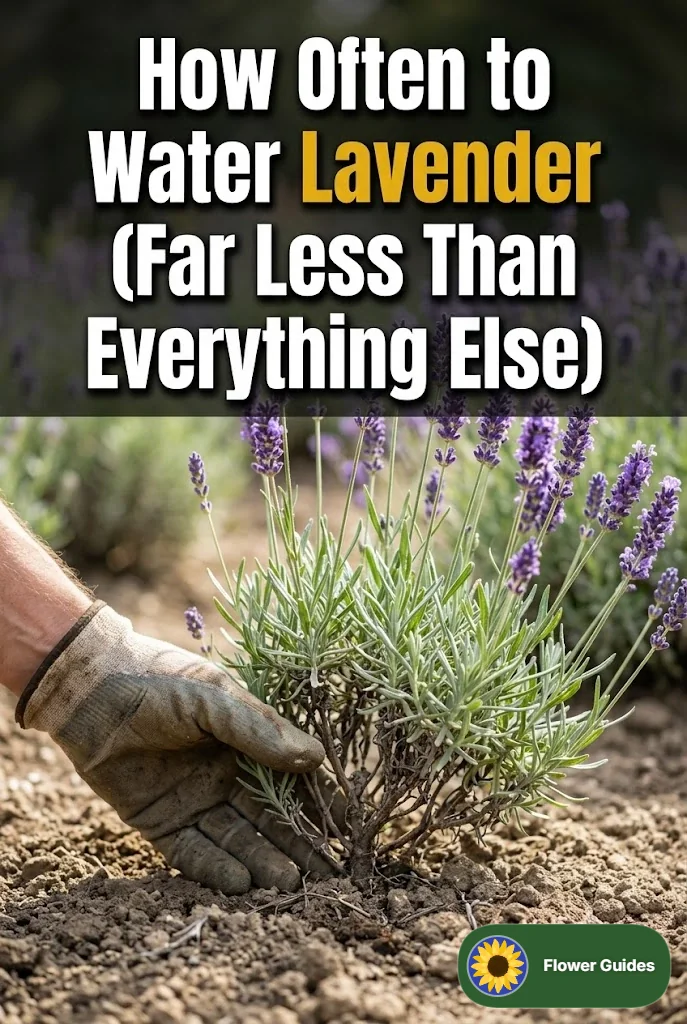
- Water Wisely: Lavender prefers well-drained soil. Water deeply but infrequently to encourage deep root growth.
- Fertilize Sparingly: Use a low-nitrogen fertilizer in early spring to promote healthy growth, but avoid over-fertilizing.
- Mulch for Moisture Control: Apply a layer of mulch to retain moisture and suppress weeds while allowing for good drainage.
Common Questions About Pruning Lavender
1. Can I prune lavender in the spring?
Pruning in spring is not ideal, as it can damage new growth. It’s best to prune right after flowering in late summer or early fall.
2. How much of the plant can I prune?
Aim to prune about one-third of the plant, focusing on shaping and removing dead wood without cutting into the woody stems.
3. Will pruning affect lavender blooms?
Proper pruning encourages more blooms the following season by stimulating healthy new growth.
Conclusion
With the right pruning techniques, your lavender can remain vibrant, bushy, and full of fragrant blooms for years to come. Regular maintenance not only enhances its beauty but also ensures a bountiful harvest of flowers. So grab your pruning shears, and give your lavender the care it deserves. Happy gardening!