Do Zinnias Reseed Themselves?
Many gardeners love zinnias for their vibrant colors and ease of care, but a common question arises: do zinnias reseed themselves? If you’re looking to maintain a beautiful garden with minimal effort, understanding how zinnias behave in this regard can be a game-changer. Let’s explore the fascinating world of zinnias, their reseeding habits, and how to manage them for a flourishing garden.
Understanding Zinnias and Their Life Cycle
Zinnias (Zinnia elegans) are annual flowers known for their bright blooms and long-lasting beauty. They can grow from seeds, and their life cycle includes germination, flowering, and setting seeds. After flowering, zinnias produce seeds that can potentially grow into new plants the following season.
Annual vs. Perennial
It’s essential to note that zinnias are classified as annuals, meaning they complete their life cycle in one growing season. While they do produce seeds, the success of reseeding depends on several factors:
- Environmental conditions
- Soil quality
- Local wildlife
Do Zinnias Reseed Themselves?
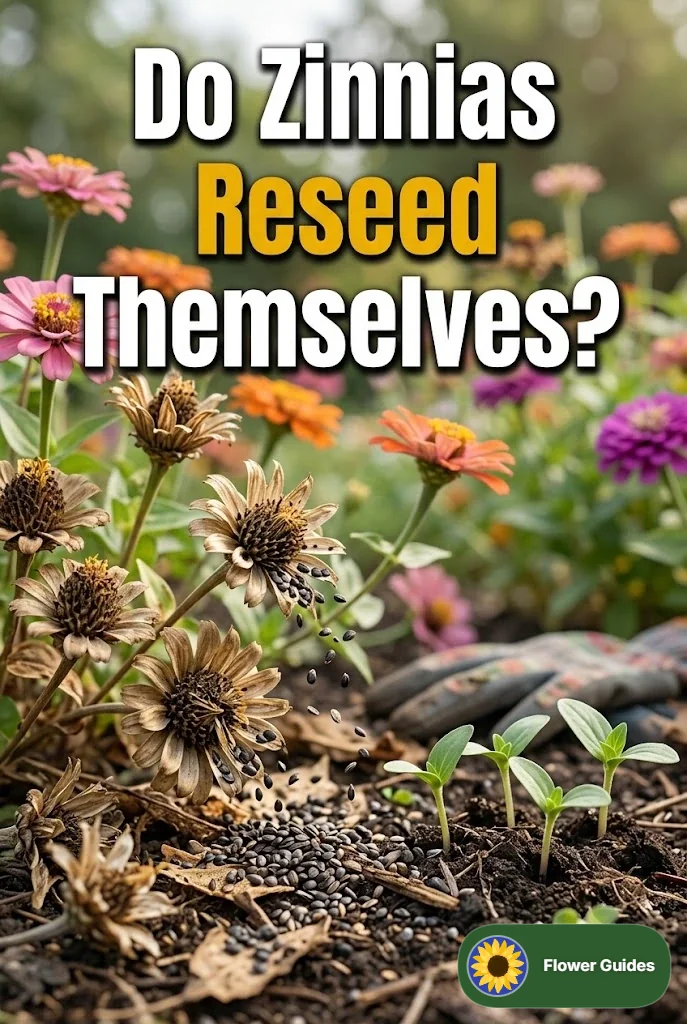
Yes, zinnias can reseed themselves under the right conditions! After the blooming period, dried flower heads can release seeds onto the soil. If these seeds land in suitable conditions, they can germinate and produce new zinnia plants in the following growing season. However, not all zinnias will successfully reseed themselves.
Factors Influencing Reseeding
Several factors determine whether zinnias will effectively reseed:
- Climate: Zinnias thrive in warm weather, so if you live in a region with milder winters, they have a better chance of reseeding.
- Location: Seeds need to be in a well-drained area with enough sunlight to germinate.
- Wildlife: Birds and other animals can eat the seeds before they have a chance to sprout.
How to Encourage Reseeding
If you want to encourage zinnias to reseed themselves, consider the following tips:
1. Allow Flowers to Mature
Let the zinnia flowers fade and dry on the plant. This allows the seeds to mature fully before harvesting or dropping to the ground.
2. Create a Natural Habitat
Leave some areas of your garden less manicured to provide a natural environment where seeds can fall and germinate. Avoid excessive tilling of the soil where you’ve planted zinnias.
3. Choose the Right Location
Plant zinnias in sunny spots with well-drained soil. These conditions will increase the chances of successful reseeding.
4. Avoid Overwatering
Too much moisture can lead to seed rot. Water zinnias appropriately to ensure the seeds have the best chance of survival.
Common Mistakes to Avoid
To maximize the chances of reseeding, steer clear of these common gardening mistakes:
- Cutting Back Too Early: Cutting back zinnias before they go to seed can prevent reseeding.
- Overcrowding: Planting too many zinnias too close together can limit airflow and sunlight, which are crucial for seed maturation.
- Ignoring Soil Health: Poor soil health can drastically reduce germination rates. Ensure you add organic matter to maintain soil quality.
Pinterest-Style Ideas for Zinnia Planting
If you’re inspired to add zinnias to your garden, here are some creative planting ideas:
- Colorful Borders: Use zinnias as colorful borders along pathways or garden beds.
- Mixed Flower Beds: Combine zinnias with other annuals for a vibrant, eye-catching display.
- Container Gardening: Plant zinnias in pots for a movable splash of color on patios or balconies.
- Wildflower Gardens: Scatter zinnia seeds among other wildflowers to create a natural look and attract pollinators.
Expert Tips for Zinnia Care
Here are some lesser-known tips to help you achieve a thriving zinnia garden:
- Deadheading: Regularly deadhead spent blooms to encourage new growth and prolong the blooming season.
- Pest Management: Zinnias can attract pests like aphids. Use insecticidal soap or neem oil to manage infestations without harming beneficial insects.
- Rotate Your Crops: Avoid planting zinnias in the same spot year after year to prevent soil-borne diseases.
Common Questions About Zinnias
1. How long do zinnia seeds last?
Zinnia seeds can last for about 2-3 years when stored in a cool, dry place.
2. Can zinnias survive the winter?
As annuals, zinnias typically do not survive winter frost, but in warmer climates, some seeds may germinate the following spring.
3. How can I tell if my zinnias are reseeding?
Look for new sprouts in the areas where zinnias were previously planted. If you see seedlings, they are likely from reseeded zinnia seeds.
Conclusion
Understanding whether zinnias can reseed themselves is crucial for maintaining a vibrant garden with minimal effort. By allowing flowers to mature, creating suitable growing conditions, and avoiding common pitfalls, you can enjoy a stunning display of zinnias year after year. With a little patience and care, these beautiful blooms can contribute to a flourishing garden ecosystem.