Best Time of Year to Divide Perennials
Dividing perennials can feel like a daunting task for many gardeners. However, it’s essential for promoting healthy growth, improving blooming, and ensuring your garden remains vibrant year after year. The timing of this process can significantly impact the success of your divisions. Understanding when to divide your perennials will not only help you maintain a beautiful garden but will also rejuvenate your plants, enabling them to thrive in their environment.
Quick Answer
The best time to divide perennials generally falls in early spring or late summer to early fall, depending on the specific type. Early spring allows plants to establish roots before blooming, while late summer to early fall gives them a head start before winter.
Understanding Perennial Division
Dividing perennials involves separating the root system into multiple sections, allowing for new plant growth while reducing overcrowding. It’s a fundamental garden practice that promotes plant vitality. However, knowing the right timing can make all the difference.
Why Timing Matters
Timing your perennial division correctly helps minimize stress on the plants. Dividing at the wrong time can lead to poor growth or even plant death. To make the best decision, consider the following factors:
- Plant Type: Different perennials have unique growth patterns and needs.
- Climate: Local weather patterns can affect the ideal timing for division.
- Soil Temperature: Warmer soil encourages root growth, while cooler temperatures can slow it down.
Best Times to Divide Perennials
Early Spring
Dividing perennials in early spring is ideal for most varieties. As plants begin to emerge from dormancy, this is a great opportunity to promote vigorous growth. Here’s how to approach it:
- Choose the Right Day: Look for a day when the soil is moist but not waterlogged.
- Inspect Plants: Ensure that the plants are healthy and showing signs of new growth.
- Use Clean Tools: Sharp, clean tools are crucial to prevent disease.
Examples of perennials that benefit from early spring division include:
- Daylilies
- Hostas
- Peonies
Late Summer to Early Fall
Another prime time for division is late summer or early fall. This timeframe allows plants to establish roots before winter arrives. Follow these steps for successful division during this period:
- Monitor Weather: Choose a cool day to avoid stressing the plants.
- Water Well: Ensure the plants are well-hydrated before division.
- Replant Quickly: Minimize the time the roots are exposed to air.
Perennials that thrive when divided in late summer or early fall include:
- Astilbe
- Sedum
- Black-eyed Susans
Step-by-Step Guide to Dividing Perennials
Ready to get started? Here’s a straightforward guide to help you through the division process:
- Prepare the Area: Clear any debris and ensure the soil is well-tilled.
- Water the Plants: This helps reduce stress and keeps the soil moist for easier digging.
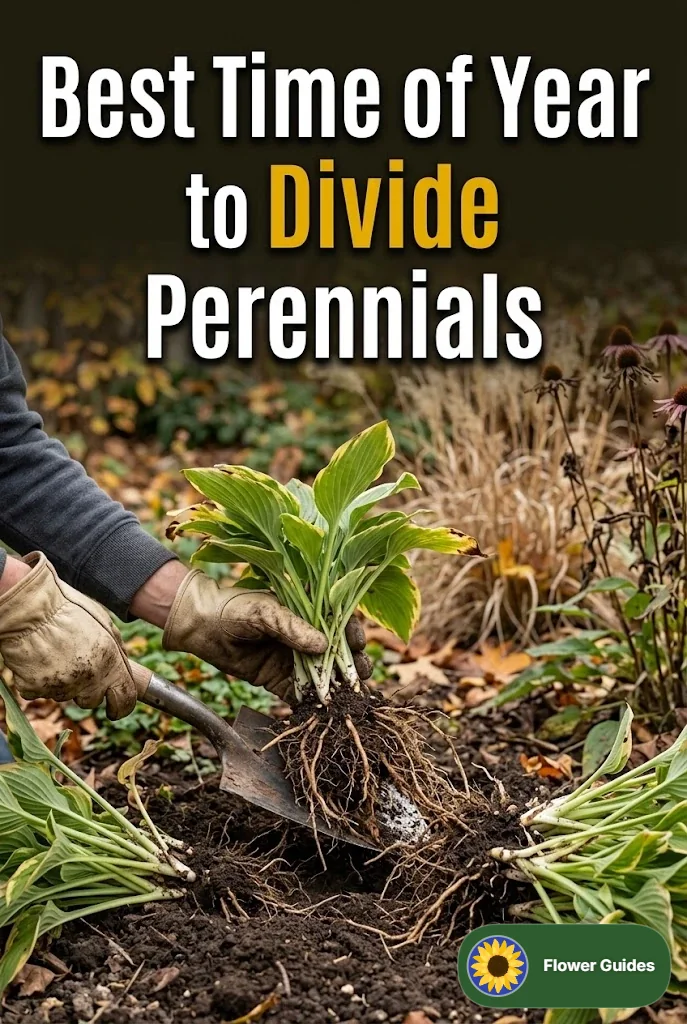
- Dig Up the Plant: Carefully lift the plant from the ground, trying to keep as much of the root system intact as possible.
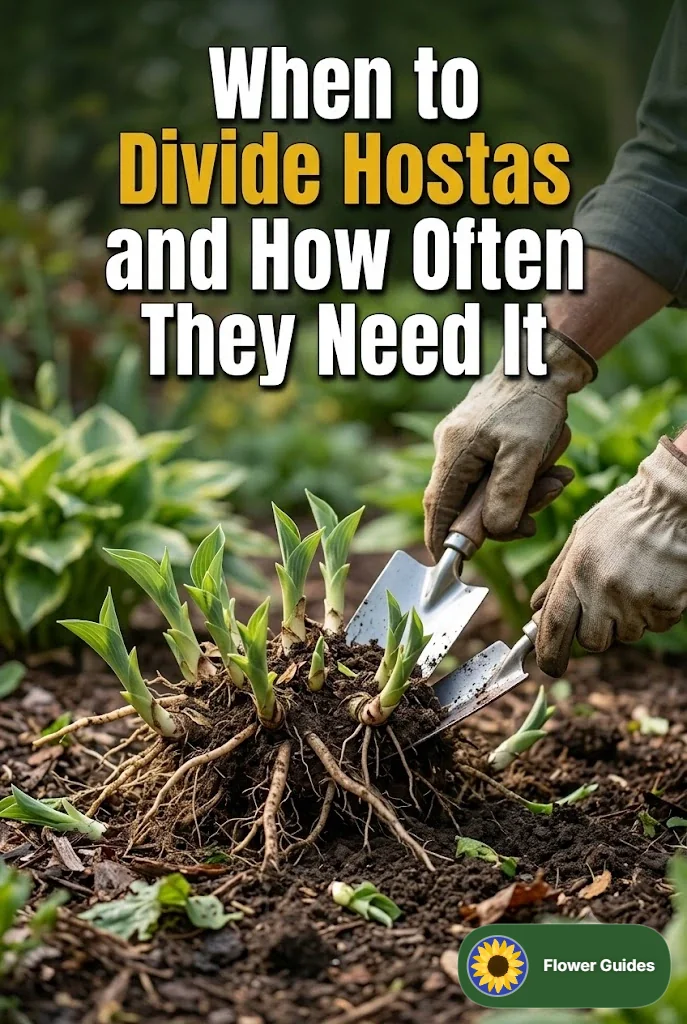
- Divide the Roots: Use a sharp spade to cut the root ball into smaller sections. Each section should have healthy roots and shoots.
- Replant Immediately: Place the divisions back into the ground, ensuring they are at the same depth as before. Water thoroughly.
Pinterest-Style Ideas for Dividing Perennials
Here are some creative ideas to make your perennial division not only effective but also an enjoyable gardening experience:
- Create a Perennial Garden Design: Use your divisions to create a beautiful new garden layout.
- Share with Friends: Gift your divisions to friends or neighbors to spread the joy of gardening.
- Document the Process: Take photos throughout the division process for a fun gardening blog or social media post.
Expert Tips for Successful Division
Here are some insider tips to help you get the most from your perennial division:
- Label Your Plants: Keep track of what you’ve divided and where you’ve planted them.
- Don’t Overcrowd: Ensure there’s enough space between new divisions to allow for growth.
- Fertilize Post-Division: A light application of fertilizer can help the new plants establish more quickly.
Common Questions About Dividing Perennials
When is the best time to divide peonies?
Peonies are best divided in early fall, ideally in September, allowing time for the roots to establish before winter.
How often should I divide my perennials?
Most perennials benefit from division every 3 to 5 years, depending on their growth rate and how crowded they become.
What tools do I need for dividing perennials?
A sharp garden spade, a fork, and clean shears are essential to effectively divide and manage your perennials.
Conclusion
Understanding the best time of year to divide perennials can transform your garden into a thriving oasis. Whether you choose to divide in early spring or late summer, the key is to be mindful of the plants’ health and the weather conditions. With a little planning and care, you can enjoy a flourishing garden that brings joy for seasons to come. Happy gardening!