How to Deadhead Coneflowers (And When to Stop)
Coneflowers, or Echinacea, are a beloved garden staple known for their vibrant blooms and resilience. However, as summer fades, you might notice that these perennials could use a little grooming to keep them looking their best. Deadheading coneflowers is an essential gardening task that not only enhances their beauty but also promotes healthy growth. But how do you deadhead them effectively, and when is the right time to stop? Let’s dive into the art of deadheading coneflowers and ensure that your garden stays stunning throughout the seasons.
Quick Answer
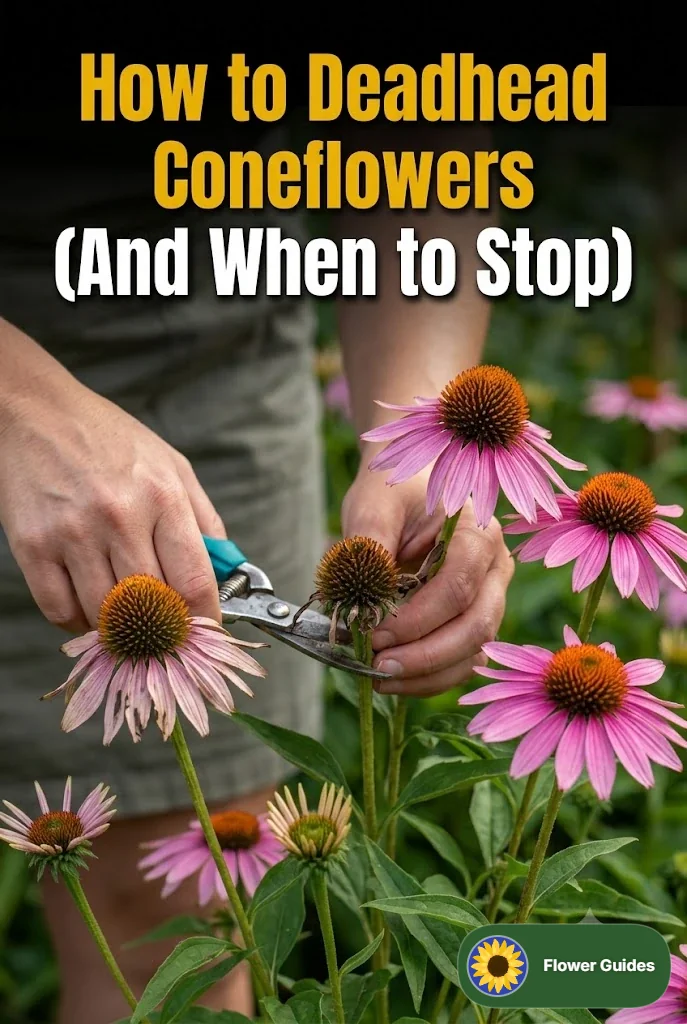
To deadhead coneflowers, simply pinch or cut off the spent blooms just above the first set of healthy leaves. Continue deadheading throughout the summer until late August to encourage more blooms and prevent seed formation.
Understanding Deadheading
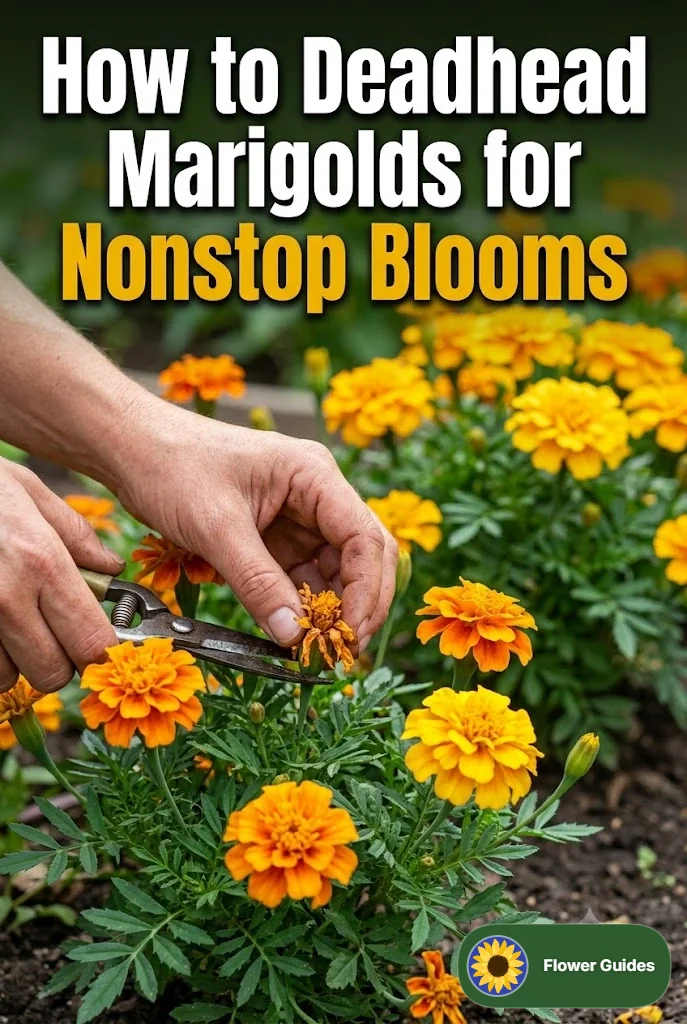
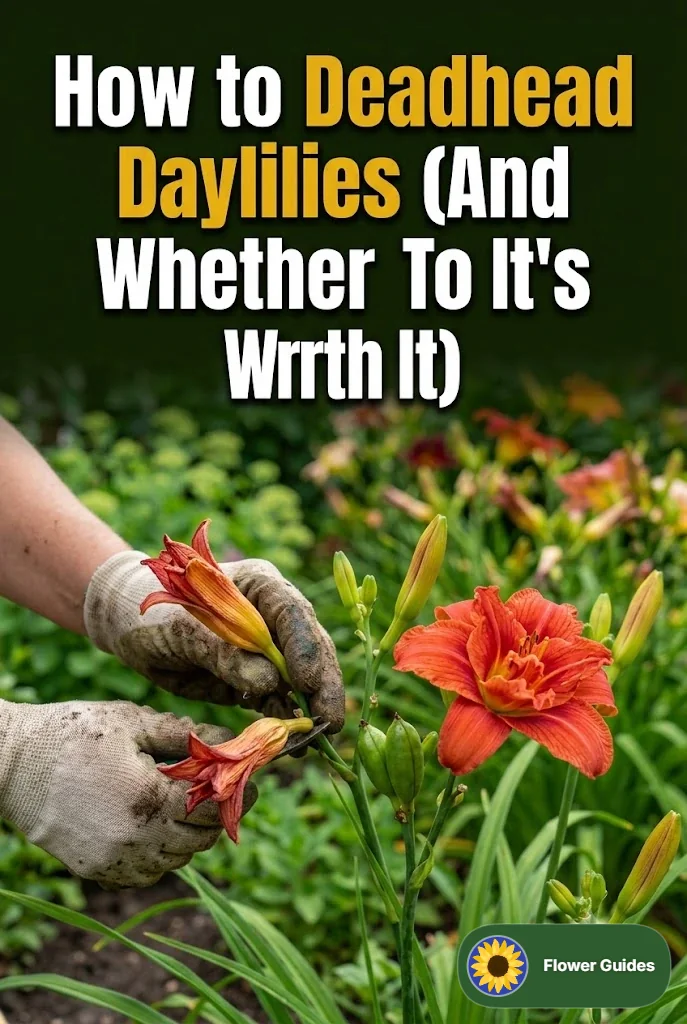
Deadheading is the process of removing faded or dead flowers from a plant. This practice is particularly beneficial for coneflowers, as it encourages new blooms and prevents the plant from diverting energy into seed production. By regularly removing spent flowers, you promote a longer blooming period and maintain the plant’s overall health.
Why Deadhead Coneflowers?
- Extended Blooming Season: Regular deadheading can lead to a second wave of blooms, allowing you to enjoy your coneflowers longer.
- Improved Plant Health: Removing spent flowers helps the plant focus its energy on growth instead of seed production.
- Aesthetics: Deadheading keeps your garden looking tidy and vibrant, enhancing the overall appeal of your landscape.
When to Deadhead Coneflowers
The best time to start deadheading coneflowers is right after the flowers begin to fade. This is usually from late spring to late summer. Here’s a more detailed timeline:
- Initial Deadheading: Begin deadheading as soon as you notice the first flowers wilting. This encourages the plant to produce more blooms.
- Regular Maintenance: Continue deadheading every 1-2 weeks throughout the summer months, especially after blooming peaks.
- When to Stop: Cease deadheading by late August. Stopping allows the plant to develop seeds, which can help provide food for birds and promote new growth in the following season.
How to Deadhead Coneflowers
Deadheading coneflowers is a straightforward process, but doing it correctly can make a significant difference in their performance. Here’s a step-by-step guide to help you:
Step-by-Step Guide
- Gather Your Tools: You’ll need a pair of sharp pruning shears or scissors. If you prefer, you can also use your fingers to pinch off the blooms.
- Identify Spent Blooms: Look for flowers that have started to wilt and brown. These are the blooms that need to be removed.
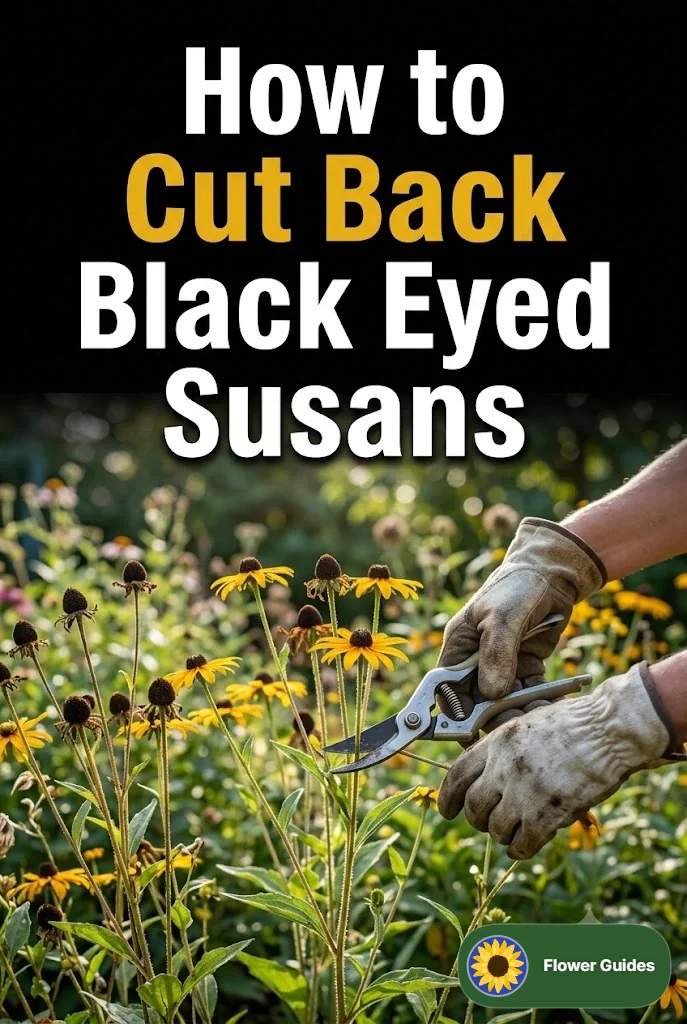
- Make the Cut: Cut or pinch the flower stem just above the first set of healthy leaves. This ensures that the plant can focus its energy on new growth.
- Dispose of Debris: Collect and discard the dead blooms to prevent any potential diseases or pests from affecting your plants.
- Monitor Growth: After deadheading, keep an eye on your plants. You should notice new buds forming in a few weeks.
Common Mistakes to Avoid
Deadheading can be simple, but there are some common pitfalls that gardeners may encounter. Here’s what to watch out for:
- Cutting Too Low: Always cut above the first set of leaves; cutting too low can damage the plant and hinder its growth.
- Ignoring Timing: Deadheading too late in the season can prevent your coneflowers from producing seeds, which are essential for the plant’s lifecycle.
- Neglecting to Clean Tools: Ensure your pruning tools are clean to prevent the spread of disease. Disinfect them before and after use.
Pro Tips for Successful Deadheading
Here are some insider tips to help you get the most out of your deadheading efforts:
- Encourage Pollinators: Leave a few spent flowers on the plant to attract pollinators and provide food for birds.
- Consider Seasonal Changes: If you live in an area with harsh winters, consider letting some flowers go to seed to provide winter interest and food for wildlife.
- Trial and Error: Every garden is unique. Experiment with the timing and frequency of deadheading to find what works best for your specific coneflower variety.
Common Questions (FAQ)
1. Can I deadhead coneflowers in the fall?
Ideally, you should stop deadheading by late August. However, you can tidy up the garden in the fall by removing any dead foliage.
2. Will deadheading harm my coneflowers?
No, deadheading is beneficial for coneflowers as it encourages healthier growth and more blooms. Just be sure to cut correctly.
3. How often should I deadhead coneflowers?
Deadhead every 1-2 weeks during the growing season, as soon as you notice spent blooms.
4. What should I do if my coneflowers aren’t blooming?
If your coneflowers aren’t blooming, ensure they are getting adequate sunlight and water. Regular deadheading can also stimulate new blooms.
Conclusion
Deadheading coneflowers is a simple yet rewarding task that can enhance the beauty and health of your garden. By knowing when and how to deadhead, you can enjoy a prolonged blooming season and create a thriving landscape. Whether you’re a seasoned gardener or a beginner, taking these steps will ensure your coneflowers continue to bring joy to your outdoor space. Happy gardening!