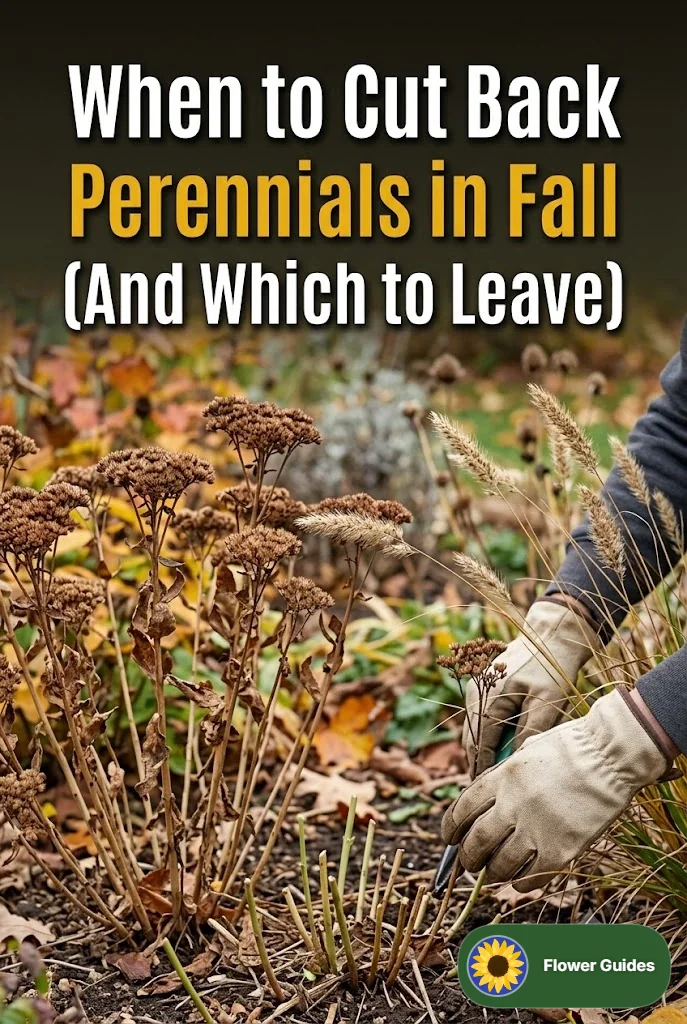
When to Cut Back Perennials in Fall (And Which to Leave)
As the vibrant hues of summer begin to fade, many gardeners face a common dilemma: when to cut back perennials in the fall and which ones to leave standing. This decision can significantly impact the health of your garden, the aesthetics of your landscape, and the wellbeing of local wildlife. Knowing the right timing and techniques for cutting back perennials will not only keep your garden tidy but also prepare it for a flourishing comeback in spring.
Quick Answer
The best time to cut back perennials in the fall is after the first frost when the foliage has died back. However, some perennials should be left standing for winter interest or to provide shelter for wildlife. Always assess each plant’s needs before trimming.
Understanding Perennials and Their Lifecycle
Perennials are plants that live for more than two years, often going through cycles of growth, bloom, and dormancy. Understanding their lifecycle is crucial for determining when and how to cut them back in the fall. Here’s what to keep in mind:
- Growth Stages: Most perennials grow actively in spring and summer, bloom, and then prepare for dormancy as fall approaches.
- Foliage Health: Healthy foliage in the fall is essential for photosynthesis, which helps the plant store energy for the winter months.
- Winter Protection: Some perennials benefit from leaving their foliage intact to protect their crowns from extreme cold.
When to Cut Back Perennials
Timing is everything when it comes to cutting back perennials. Here’s a step-by-step approach to ensure you’re making the most of your garden:
1. Observe the Frost Dates
The best time to cut back most perennials is after the first hard frost. This usually occurs in late fall, depending on your geographic location. Here’s how to check:
- Monitor local weather reports for frost dates.
- Look for visible signs of frost on the plants, such as wilting or browning leaves.
2. Assess the Plant’s Condition
Before cutting back, assess each plant’s condition. Healthy perennials can often be trimmed back, while those showing signs of disease or damage should be treated differently.
3. Use the Right Tools
Ensure you have sharp and clean tools for the job. Pruners, shears, and loppers are essential for making clean cuts that promote healthy regrowth.
Which Perennials to Cut Back in Fall
Some perennials thrive when cut back in the fall, helping to prevent disease and prepare them for the next growing season. Here’s a list of perennials that should be trimmed:
- Bee Balm (Monarda): Cut back to the ground to prevent rot.
- Daylilies (Hemerocallis): Trim spent foliage to clean up the garden.
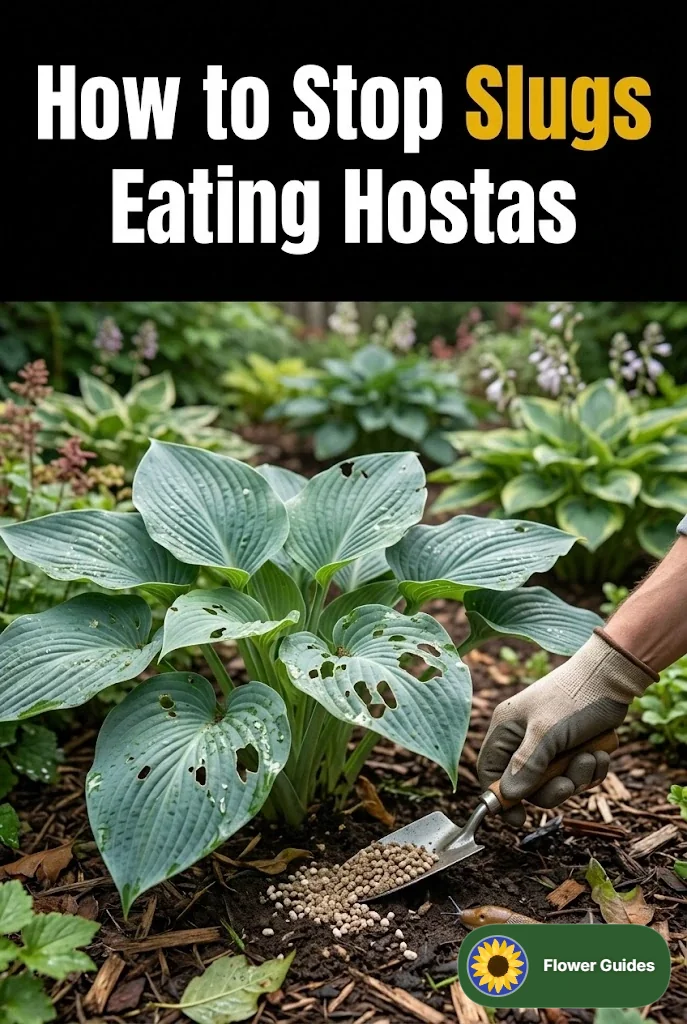
- Hostas: Cut back brown leaves, but leave the crown intact.
- Peonies: Cut back to 4-6 inches above the ground to prevent disease.
Which Perennials to Leave Standing
While many perennials benefit from a fall cut back, others should be left standing for various reasons:
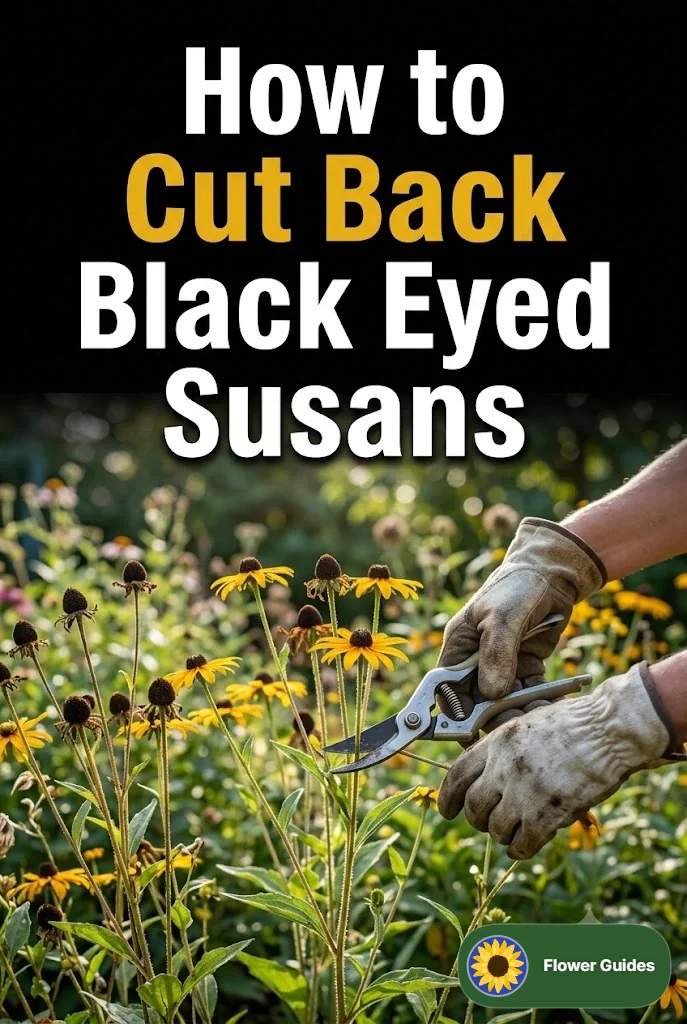
- Black-eyed Susans (Rudbeckia): Their seed heads provide food for birds.
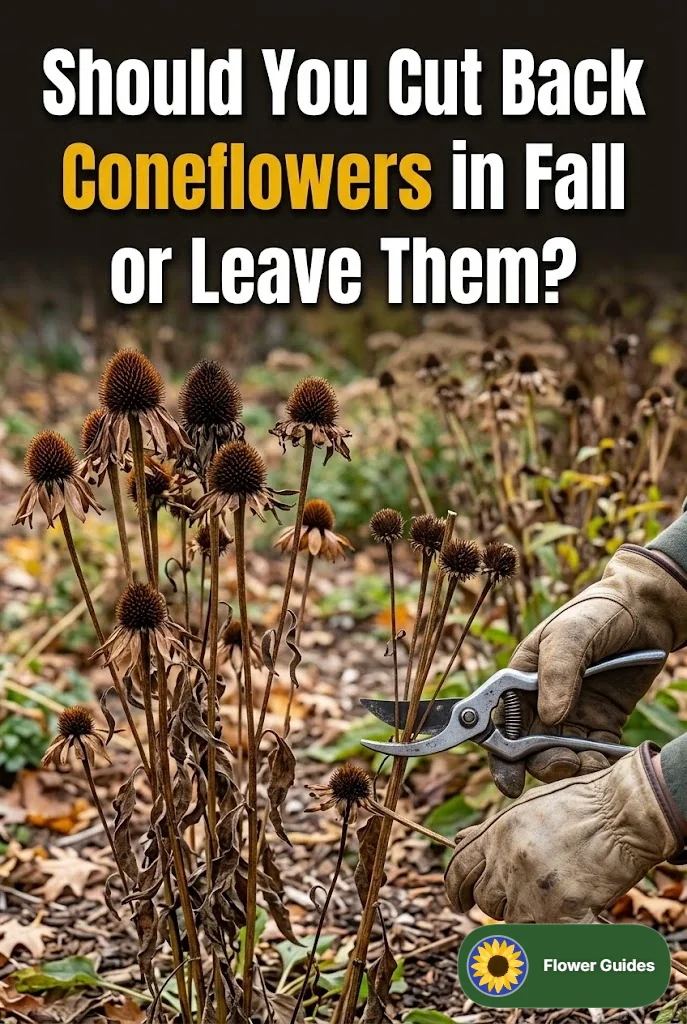
- Coneflowers (Echinacea): Leaving the stems helps attract pollinators and provides winter interest.
- Ornamental Grasses: These add texture and movement to winter gardens.
- Astilbe: The dried flower stalks can add visual interest and protect the base of the plant.
Step-by-Step Guide to Cutting Back Perennials
Now that you know when and which perennials to cut back, here’s a practical guide to help you through the process:
- Gather your tools: Ensure you have clean, sharp pruners, gloves, and a trash bag or compost bin.
- Cut back dead or damaged foliage: Start with any leaves that are brown or wilted.
- Trim back stems: For those plants that benefit from cutting back, trim stems to the appropriate height.
- Clean up the area: Remove all cuttings to prevent disease and pests in your garden.
Expert Tips for Fall Perennial Care
To ensure your perennials thrive through winter and into spring, consider these insider tips:
- Mulch Wisely: After cutting back, apply a layer of mulch around the base of perennials to insulate roots.
- Watch for Pests: Clean up any debris as it can harbor pests that might harm your plants.
- Stay Attuned to Weather: If an unexpected warm spell hits, some plants may start to grow again, so monitor their condition.
Common Questions About Cutting Back Perennials
1. Can I cut back all perennials in the fall?
No, not all perennials should be cut back in the fall. Some provide winter interest and shelter for wildlife.
2. What happens if I cut back too early?
Cutting back too early can expose plants to winter stress and prevent them from storing energy needed for growth.
3. Should I cut back perennials in spring instead?
Spring cutting is appropriate for some plants, especially those that benefit from winter protection or have attractive seed heads.
Conclusion
Deciding when to cut back perennials in the fall involves a mix of timing, observation, and plant knowledge. By understanding the needs of each perennial and applying the right techniques, you can ensure a healthy and vibrant garden for the seasons to come. Embrace the beauty of your garden as it transitions, and remember that each plant has its own unique story to tell through winter and into spring.