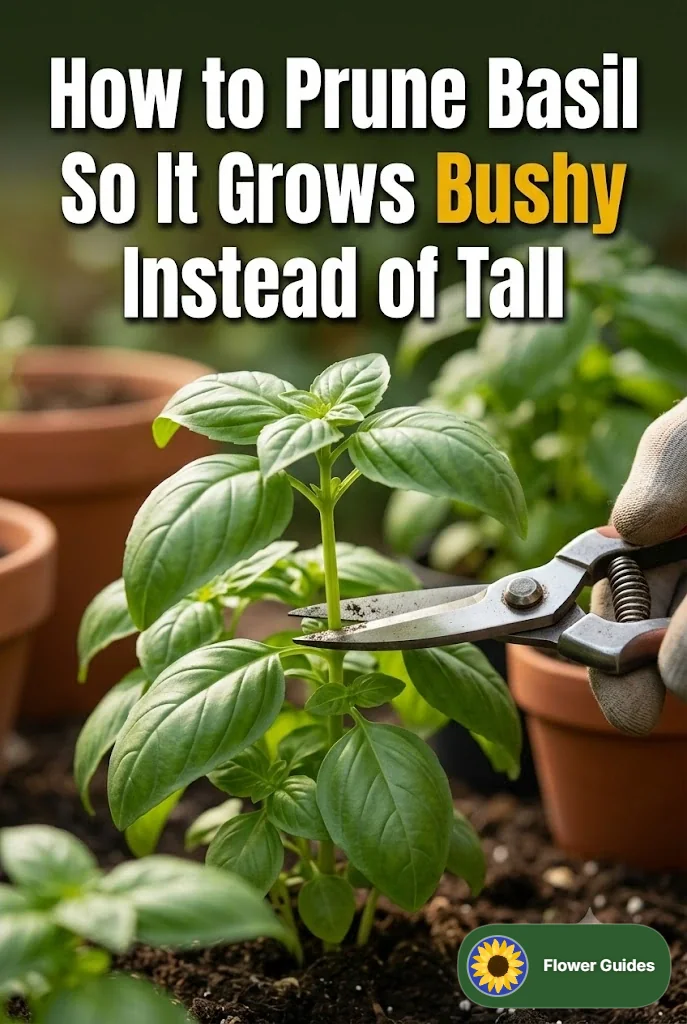
How to Prune Basil So It Grows Bushy Instead of Tall
If you’ve ever grown basil, you might have noticed that it can quickly shoot up tall and leggy if not pruned properly. While a vibrant basil plant can be a delightful addition to your kitchen garden, ensuring it grows bushy and full can transform it into a lush herb powerhouse. Pruning not only encourages a more attractive shape but also promotes healthier growth and a bountiful harvest. Let’s delve into the best practices for pruning basil, so you can enjoy a thriving, bushy plant ready for culinary adventures.
Quick Answer
To prune basil for bushier growth, regularly trim the top sets of leaves and any flower buds. This encourages lateral growth and prevents the plant from becoming leggy. Aim to pinch or cut back at least a third of the plant, focusing on healthy leaves and nodes.
Understanding Basil Growth
Basil is a tender annual herb that thrives in warm weather and full sunlight. When left unpruned, it tends to grow tall and may become sparse. This is because basil has a natural tendency to reach for light, especially as it matures. Pruning is essential not only for aesthetics but also for the plant’s health.
Why Pruning Matters
- Encourages Lateral Growth: Pruning basil stimulates the growth of side branches, making the plant fuller and bushier.
- Improves Air Circulation: A well-pruned plant allows for better airflow, reducing the risk of diseases.
- Enhances Flavor: Regular harvesting and pruning can lead to more flavorful leaves.
- Prevents Bolting: By cutting off flower buds, you can prevent the plant from going to seed too early.
When to Prune Basil
The best time to prune basil is when the plant is actively growing, typically in late spring through summer. Here are some key times to consider:
- Before Flowering: As flower buds begin to form, prune them off to encourage leaf growth.
- Regular Maintenance: Every 2-3 weeks during the growing season to keep the plant healthy.
- After Harvest: Always prune after you’ve taken a cutting to maintain the plant’s shape.
How to Prune Basil: Step-by-Step Guide
Follow these steps to ensure your basil grows bushy and robust:
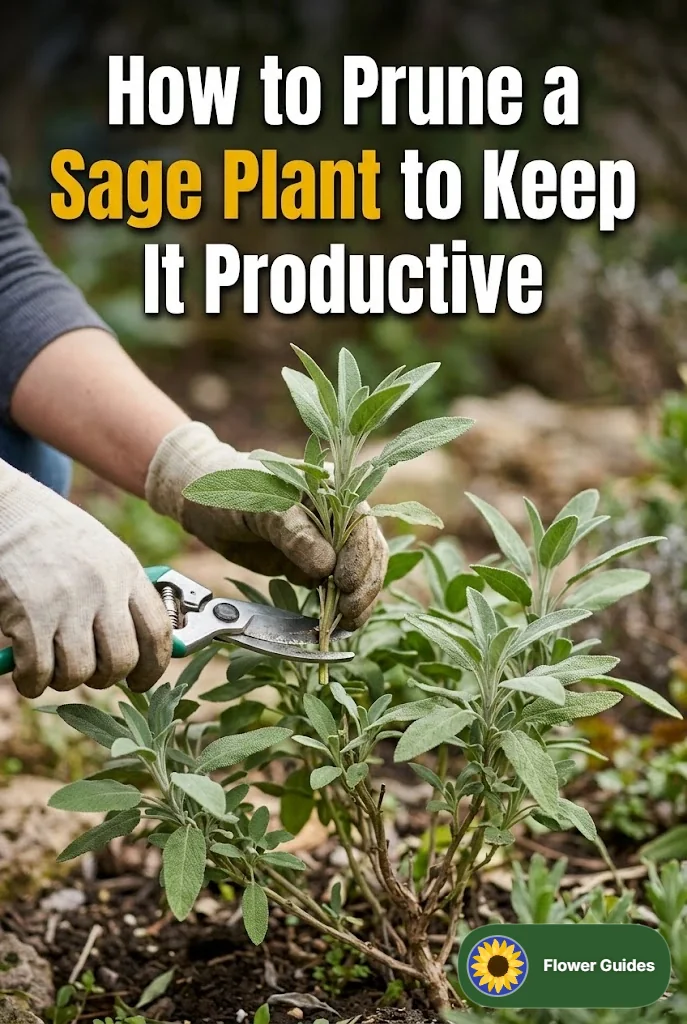
- Gather Your Tools: Use clean, sharp scissors or pruning shears to make clean cuts and prevent injury to the plant.
- Identify Pruning Points: Look for the top sets of leaves and nodes (the small bumps where leaves join the stem). These are your pruning targets.
- Pinch or Cut: Pinch off the top leaves just above a leaf node, or use scissors to trim. This encourages new growth from the node below.
- Remove Flower Buds: If you see any flower buds forming, pinch them off to redirect energy to leaf production.
- Inspect for Pests: While pruning, check for any signs of pests or disease. Early detection is key!
Pinterest-Style Ideas for a Bushy Basil Garden
Here are some creative ways to make the most of your basil plants:
- Basil Varieties: Experiment with different types like Thai basil, lemon basil, and purple basil for unique flavors and colors.
- Container Gardening: Grow basil in decorative pots. A collection of pots can create a stunning visual impact.
- Basil Companion Planting: Pair basil with tomatoes, peppers, or even marigolds to enhance growth and flavor.
- DIY Basil Fertilizer: Create a homemade liquid fertilizer using kitchen scraps to keep your basil thriving.
- Basil Infused Oils: Consider making basil-infused olive oil as a unique gift or addition to your kitchen.
Expert Tips for Pruning Basil
Here are some insider tips to elevate your basil care:
- Prune Early: Start pruning when your plant is about 6 inches tall. Early intervention sets the stage for bushy growth.
- Rotate Your Plants: If you’re growing multiple basil plants, rotate their position to ensure even light exposure.
- Water Wisely: Water your basil thoroughly but avoid over-watering. Ensure the soil is well-draining to prevent root rot.
Common Questions About Pruning Basil
1. Can I prune basil in the fall?
While you can prune in the fall, it’s best to do it earlier in the season to ensure the plant has time to recover before cooler weather.
2. How much of the basil plant can I prune?
A good rule of thumb is to prune up to a third of the plant at one time to avoid shocking it.
3. Will pruning affect the flavor of my basil?
Pruning encourages new growth, which often results in more flavorful leaves. So, regular pruning can enhance the taste of your basil.
4. Should I prune basil before or after watering?
It’s best to prune basil before watering. This way, the plant can quickly recover and utilize the moisture more effectively.
5. What if my basil starts to flower despite my efforts?
If your basil flowers, simply pinch off the blossoms to redirect energy back to the leaves and encourage bushy growth.
Conclusion
Pruning basil is a simple yet effective way to cultivate a thriving, bushy plant that enhances your garden and kitchen. By following these steps and tips, you can enjoy a continuous supply of fresh basil for your culinary creations. Remember, a little maintenance goes a long way in keeping your basil healthy and productive. Happy gardening!