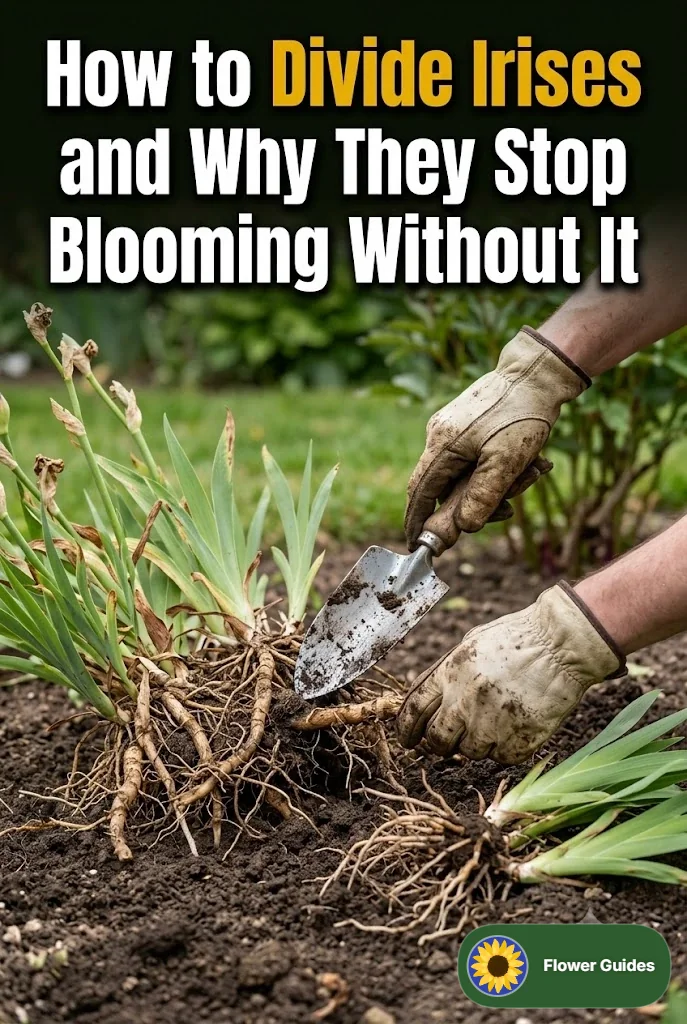
How to Divide Irises and Why They Stop Blooming Without It
Irises are a stunning addition to any garden, celebrated for their vibrant colors and unique shapes. However, many gardeners face a common dilemma: their irises have stopped blooming. This can be disheartening, especially after investing time and effort into cultivating these beautiful plants. One of the most effective solutions to rejuvenate your irises and encourage them to bloom again is dividing them. In this guide, we’ll explore how to successfully divide irises and delve into why this vital maintenance task is essential for their health and flowering potential.
Understanding Irises and Their Growth Needs
Before diving into the division process, let’s take a moment to understand the basic needs of irises. These perennial plants thrive in well-drained soil, full sun to partial shade, and require minimal maintenance once established. However, over time, irises can become overcrowded, leading to reduced blooming and overall vitality.
Signs That Your Irises Need Dividing
Recognizing the signs that your irises need dividing is crucial for timely intervention. Look out for the following indicators:
- Reduced Blooming: If your irises produce fewer flowers or none at all, it’s a clear sign they need attention.
- Overcrowding: When plants start to crowd each other, they compete for nutrients and space, diminishing their health.
- Smaller Flowers: If the blooms are becoming smaller and less vibrant, it’s time to divide.
- Visible Rhizome Growth: If the rhizomes are pushing up through the soil or are tightly packed, it’s a sign they need to be split.
How to Divide Irises
Dividing irises is a straightforward process, and with the right approach, you can ensure your plants thrive. Here’s a step-by-step guide to help you through the process.
Step 1: Timing the Division
The best time to divide irises is in late summer or early fall, after the blooming period has ended. This timing allows the plants to establish themselves before winter. If you live in a warmer climate, early spring can also work, but avoid dividing during the heat of summer.
Step 2: Gather Your Tools
Before you begin, gather the necessary tools:
- Sharp garden spade or shovel
- Gloves
- Garden fork
- Pruning shears
- Bucket or wheelbarrow for transport
Step 3: Digging Up the Rhizomes
Carefully dig around the base of the iris clump using your spade or shovel. Aim to keep the rhizomes intact while loosening the soil. Once you’ve exposed the rhizomes, gently lift them out of the ground.
Step 4: Cleaning the Rhizomes
Once removed, shake off excess soil and inspect the rhizomes. Use pruning shears to remove any dead or damaged parts, ensuring you cut just above healthy growth. Healthy rhizomes should have firm, plump roots.
Step 5: Dividing the Rhizomes
Divide the rhizomes into sections, ensuring each piece has at least one healthy fan of leaves and a few roots. A good rule of thumb is to keep divisions to about 4-6 inches in size. Avoid making divisions too small, as they may struggle to establish themselves.
Step 6: Replanting
Prepare a new planting area or amend the existing soil with compost for improved drainage and nutrients. Plant the divided rhizomes with the top exposed, ensuring they are not buried too deep. Space them about 12-18 inches apart to allow for future growth.
Step 7: Watering and Care
After replanting, water the newly divided irises thoroughly to help settle the soil. Keep the area moist but not soggy, and apply a layer of mulch to maintain moisture and suppress weeds. Fertilizing with a low-nitrogen fertilizer can also help boost growth.
Why Irises Stop Blooming
Understanding why irises stop blooming is essential for preventing this issue in the future. Here are some common reasons:
Overcrowding
As mentioned earlier, overcrowding is a primary reason why irises fail to bloom. When the rhizomes are packed tightly, they compete for nutrients and sunlight, leading to poor flowering.
Soil Quality
Poor soil quality can severely impact iris blooms. Irises prefer well-drained soil that is rich in organic matter. Compacted or nutrient-depleted soil can hinder their growth.
Insufficient Sunlight
Irises thrive in full sun, ideally receiving at least six hours of sunlight daily. If they are planted in too much shade, their blooming potential diminishes.
Watering Issues
Both overwatering and underwatering can stress irises. Ensure they receive consistent moisture, especially during dry spells, but avoid letting them sit in waterlogged conditions.
Pinterest-Style Ideas for Iris Gardens
Creating a stunning iris garden can be an inspiring project. Here are some ideas to elevate your iris display:
- Color Block Planting: Group irises by color for a vibrant, eye-catching effect.
- Layering Heights: Combine tall and dwarf varieties for visual interest and depth.
- Companion Planting: Pair irises with daylilies or peonies for a harmonious garden palette.
- Seasonal Displays: Interplant with spring-blooming bulbs to extend the blooming season.
Expert Tips for Healthy Irises
Here are some insider tips to help your irises flourish:
- Regular Division: Make it a habit to divide irises every 3-5 years to keep them healthy.
- Mulching: Use organic mulch to retain moisture and improve soil quality over time.
- Fertilization: A balanced fertilizer in early spring can boost growth, but avoid high-nitrogen formulas.
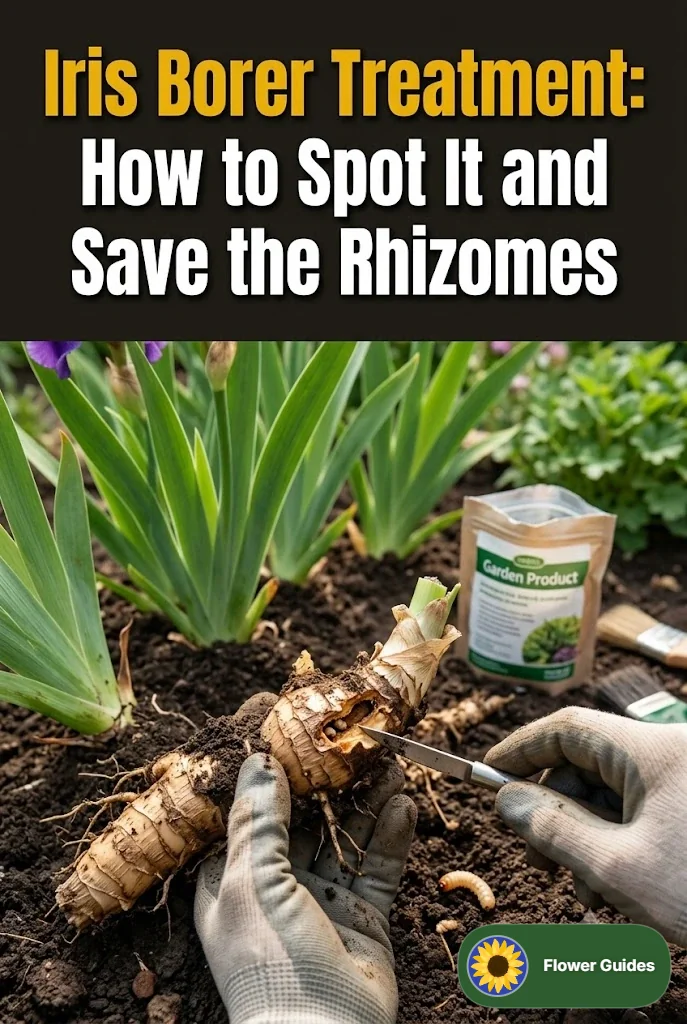
- Pest Monitoring: Keep an eye out for pests like iris borers and take action promptly if spotted.
Common Questions About Dividing Irises
When is the best time to divide irises?
The best time to divide irises is in late summer or early fall, after their blooming period.
How often should I divide my irises?
It’s recommended to divide irises every 3-5 years to maintain their health and blooming potential.
What should I do if my irises are still not blooming after dividing?
If your irises still don’t bloom, check for other issues such as overcrowding, soil quality, or insufficient sunlight.
Can I divide irises in spring?
Yes, you can divide irises in early spring, but it’s generally best to do it after blooming in late summer or fall.
Conclusion
Dividing irises is a simple yet effective way to rejuvenate these beautiful plants and encourage them to bloom again. By understanding the reasons they may stop flowering and following the steps to divide them, you can ensure your garden remains vibrant and colorful. Embrace the joy of gardening and take the necessary steps to keep your irises thriving!