
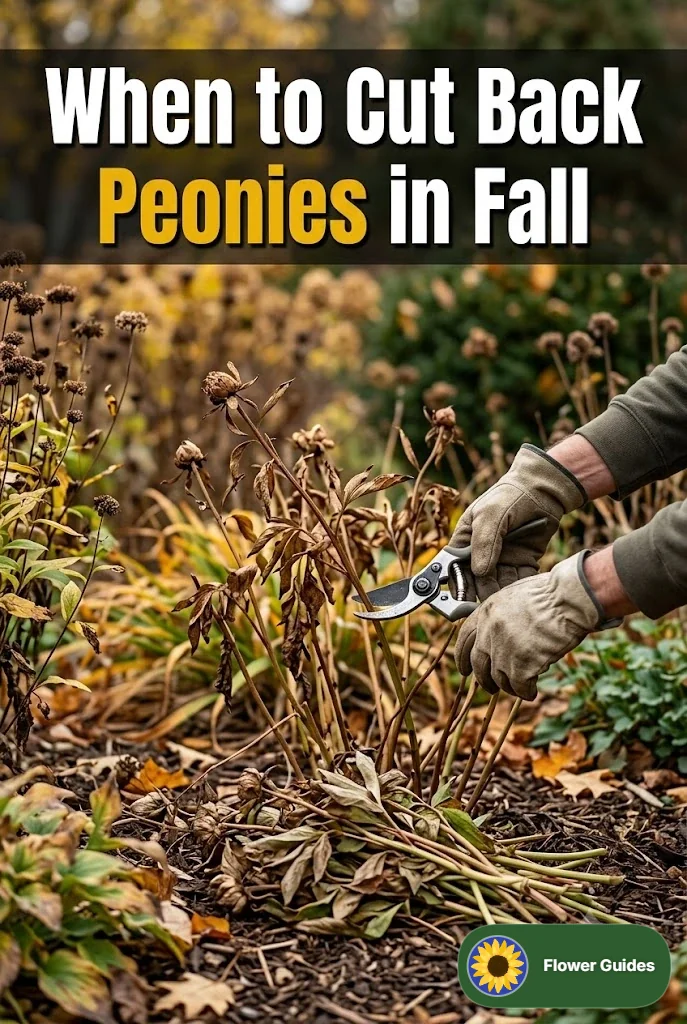
When to Cut Back Peonies in Fall
Peonies are beloved for their stunning blooms and delightful fragrances, making them a staple in many gardens. However, to keep these gorgeous flowers thriving year after year, understanding when and how to cut them back in the fall is essential. Timing your pruning correctly not only enhances their beauty but also promotes healthy growth and flowering in the following season. Let’s explore the best practices for cutting back peonies in the fall, ensuring your garden remains vibrant and lush.
Understanding Peony Growth Cycles
Before diving into the specifics of fall pruning, it’s important to recognize the growth cycles of peonies. These perennial plants typically exhibit two main growth phases: active growth in spring and dormancy in late fall. Knowing this cycle will help you determine the optimal time for cutting back your peonies.
Spring Growth
In early spring, peonies emerge with lush green foliage and beautiful buds. During this time, they are busy photosynthesizing and preparing to bloom, which means they should be left undisturbed to gather nutrients from sunlight.
Fall Dormancy
As the weather cools in late summer to early fall, peonies begin to prepare for dormancy. Their leaves will start to yellow and die back, signaling that it’s time to consider pruning. Recognizing this shift is crucial for timing your fall cutbacks properly.
When to Cut Back Peonies
The ideal time to cut back peonies is after the first frost but before the ground freezes. This timing helps prevent disease and allows the plants to conserve energy for the upcoming winter.
Signs It’s Time to Prune
- Yellowing Leaves: When the foliage turns yellow and wilts, it indicates that the plant is entering dormancy.
- First Frost: A light frost usually signals that it’s time to start considering pruning, as it encourages the plant to enter dormancy.
- Dead Foliage: If you notice that the leaves have completely died back, it’s a clear sign that pruning is necessary.
How to Cut Back Peonies
Once you’ve determined the right time to prune your peonies, follow these steps to ensure you do it correctly:
Step-by-Step Guide
- Gather Your Tools: You’ll need clean, sharp garden shears or pruners, gloves, and a trash bag or compost bin for debris.
- Cut Back the Foliage: Trim the stems to about 2-3 inches above the ground. This height helps prevent the crown from being exposed to winter weather.
- Remove Debris: Collect and dispose of all cuttings. This helps prevent pests and diseases from overwintering in your garden.
- Mulch (Optional): Consider applying a layer of mulch to protect the roots during the winter months, especially in colder climates.
Benefits of Cutting Back Peonies
Properly cutting back peonies in the fall offers several benefits:
- Improved Air Circulation: Trimming back dead foliage reduces congestion around the crown, promoting better air circulation and preventing mold and diseases.
- Encouraged New Growth: By removing old growth, you help the plant focus its energy on producing new shoots and flowers in the spring.
- Aesthetics: Clean, tidy garden beds look more appealing, especially during the dormant season.
Common Mistakes to Avoid
Even seasoned gardeners can make errors while cutting back peonies. Here are some common pitfalls to watch out for:
- Cutting Too Early: Pruning too soon can stress the plant and affect its growth. Wait until the first frost.
- Leaving Stems Too High: Cutting stems too high above the ground can leave the crown susceptible to winter damage.
- Neglecting Sanitation: Failing to clean tools can spread diseases. Always disinfect your shears before and after use.
Expert Tips for Peony Care
To ensure your peonies thrive beyond fall, consider these expert tips:
- Choose the Right Variety: Some peony varieties are more resilient than others. Research which types grow best in your climate.
- Soil Health: Peonies thrive in well-drained, nutrient-rich soil. Incorporate compost to enhance soil quality.
- Watering Needs: Regular watering in early spring promotes healthy growth, but reduce watering as they enter dormancy.
Common Questions (FAQ)
1. Can I cut back peonies in the spring instead of fall?
It’s best to cut back peonies in the fall after the first frost. Spring pruning can disturb new growth and lead to poor blooming.
2. What if my peonies do not die back in the fall?
If peonies remain green into late fall, observe them closely. If they show signs of stress or disease, prune them back regardless of their appearance.
3. How do I care for peonies after cutting them back?
After cutting back, apply a layer of mulch to protect the roots. Continue to monitor for pests and diseases throughout the winter.
4. Should I fertilize my peonies in the fall?
It’s best to fertilize peonies in early spring. In the fall, focus on ensuring the plants are healthy and free from debris.
5. Are peonies prone to any diseases?
Yes, peonies can be susceptible to powdery mildew and botrytis blight. Proper pruning and sanitation can mitigate these risks.
Conclusion
Cutting back your peonies in the fall is a crucial step in maintaining their beauty and health. By timing your pruning correctly and following best practices, you’ll set the stage for a stunning display in the spring. Embrace these tips, and your peonies will reward you with vibrant blooms and lush foliage year after year.