Does Lavender Come Back Every Year?
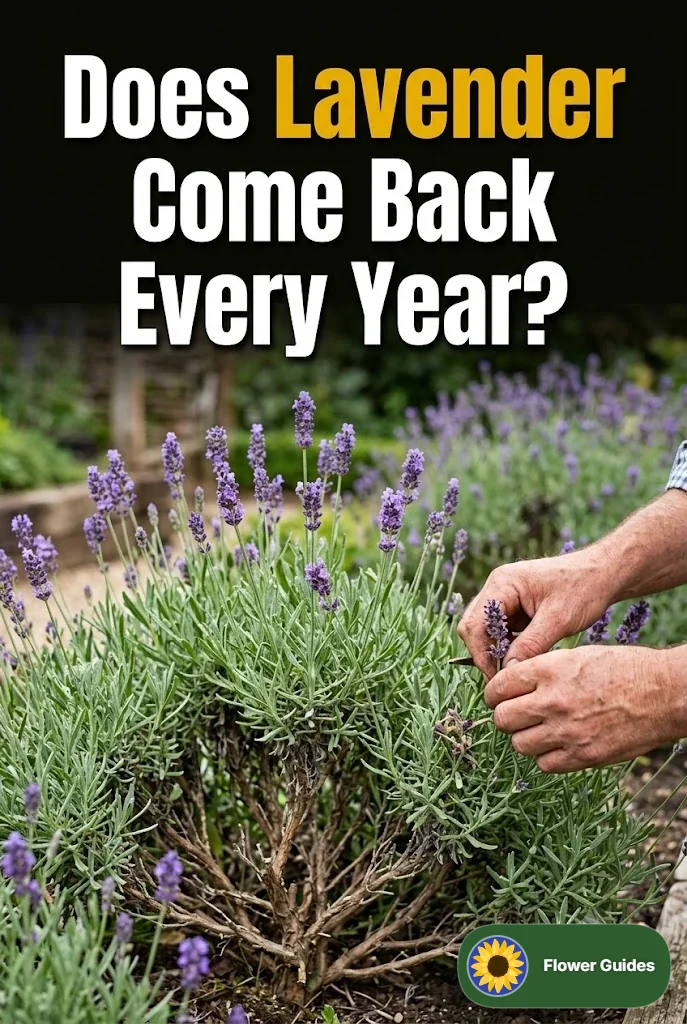
Lavender is more than just a fragrant herb; it’s a staple in many gardens, known for its beautiful purple flowers and calming scent. If you’re considering adding lavender to your garden or already have some growing, you might wonder, “Does lavender come back every year?” Understanding the life cycle and care requirements of lavender can help you enjoy its beauty season after season. Let’s explore the various aspects of lavender, from its growth habits to tips on ensuring it thrives in your garden.
Understanding Lavender's Perennial Nature
Lavender is a perennial plant, which means it can come back year after year. However, the longevity and health of your lavender depend on several factors, including the variety you choose, the climate in your area, and the care you provide.
Types of Lavender
There are several species of lavender, but the most common types found in home gardens include:
- English Lavender (Lavandula angustifolia): Known for its sweet aroma and hardiness, this variety is well-suited to temperate climates.
- French Lavender (Lavandula dentata): Recognizable by its distinctive leaves and flower spikes, it thrives in warmer regions.
- Spanish Lavender (Lavandula stoechas): This type features unique flower heads and is typically grown in milder climates.
Each variety has its unique characteristics, and understanding these can help you select the best type for your garden.
Growing Conditions for Lavender
For lavender to flourish and return year after year, it’s crucial to create the right growing conditions. Here are the essential factors to consider:
Soil Requirements
Lavender prefers well-draining soil that is slightly alkaline. If your soil is heavy or clay-like, consider amending it with sand or gravel to improve drainage. A pH level between 6.5 and 7.5 is ideal.
Sunlight Needs
This herb loves the sun! Lavender requires at least 6 to 8 hours of direct sunlight daily. When planting, choose a sunny spot in your garden for the best results.
Watering Practices
One of the most common mistakes made with lavender is overwatering. It’s crucial to let the soil dry out between waterings. A good rule of thumb is to water deeply but infrequently, allowing the roots to establish themselves without sitting in water.
Seasonal Care for Lavender
To ensure your lavender returns each year, follow these seasonal care tips:
Spring Care
- Prune your lavender plants lightly in early spring to encourage new growth. Remove any dead or woody stems and shape the plant.
- Check for any signs of pests or disease as the weather warms up.
Summer Care
- During the growing season, monitor your watering schedule, ensuring the plants are not waterlogged.
- Deadhead spent flowers to promote further blooming and prevent the plant from going to seed.
Fall Care
- In late fall, give your lavender a final trim to prepare it for winter. Avoid cutting back too much, as this can damage the plant.
- Mulching around the base can help insulate the roots during colder months.
Winter Care
- In regions with harsh winters, consider protecting your lavender with burlap or frost cloth if heavy snow or ice is expected.
- Avoid watering during the winter months, as lavender is dormant and requires little moisture.
Common Mistakes to Avoid
Even seasoned gardeners can make mistakes that affect the longevity of their lavender. Here are some common pitfalls to watch out for:
- Overwatering: This is the leading cause of lavender failure. Always let the soil dry out between watering.
- Improper Pruning: Pruning too late in the season can inhibit flowering. Aim to prune in early spring.
- Planting in the Wrong Location: Lavender needs full sun; planting in shaded areas can stunt its growth.
Expert Tips for Thriving Lavender
If you want your lavender to not only survive but thrive, consider these expert tips:
- Choose the right variety based on your climate to ensure the best chance of survival.
- Incorporate organic compost into the soil to provide nutrients without compromising drainage.
- Consider companion planting with herbs like rosemary or sage, which have similar care requirements and can enhance your garden’s beauty.
Frequently Asked Questions
1. How long does lavender typically live?
With proper care, lavender can live for 5 to 10 years, depending on the variety and growing conditions.
2. Can I grow lavender indoors?
Yes, lavender can be grown indoors if it receives adequate sunlight and proper drainage. Use a pot with drainage holes to prevent overwatering.
3. What should I do if my lavender doesn’t bloom?
If your lavender isn’t blooming, check for issues like inadequate sunlight, overwatering, or poor soil drainage.
4. When is the best time to plant lavender?
The best time to plant lavender is in the spring after the last frost or in the fall before the first frost.
5. How often should I prune my lavender?
Prune lavender once a year in early spring to encourage new growth and maintain its shape.
Conclusion
Lavender is a resilient and beautiful addition to any garden, offering both aesthetic and aromatic benefits. By understanding its needs and providing the right care, you can ensure that it comes back year after year, filling your garden with its lovely fragrance and vibrant blooms. So, roll up your sleeves, dig in, and enjoy the many rewards of growing lavender!