What to Do With a Plant the Day You Bring It Home
Bringing a new plant home is an exciting experience, filled with the promise of vibrant greenery and fresh air. However, that thrill can quickly turn to anxiety if you’re unsure about how to properly care for your new leafy friend right from the start. Whether you’re a seasoned gardener or a novice plant parent, understanding what to do with your plant on the day you bring it home is crucial for its long-term health and happiness. Let’s dive into the essential steps you should take to ensure your plant thrives in its new environment.
Quick Answer
Upon bringing a plant home, inspect it for any signs of pests or damage, provide the right lighting, and water it appropriately. Repot if necessary, and allow it to acclimate to its new environment gradually to ensure a healthy start.
Inspect Your Plant Thoroughly
The first step after bringing your plant home is to conduct a thorough inspection. This is crucial for identifying any potential issues that could affect its health.
Check for Pests
- Look under the leaves and around the base for any signs of pests such as spider mites, aphids, or mealybugs.
- If you notice any unwanted guests, gently wipe them off with a damp cloth or use insecticidal soap for a more thorough treatment.
Examine the Leaves and Stems
- Check for discoloration, spots, or wilting leaves, which can indicate health issues.
- Ensure that the stems are firm and upright. Weakness could signal root problems or inadequate care prior to your purchase.
Understand the Light Requirements
Light is one of the most critical factors for a plant’s health. After inspection, the next step is to position your plant in the right light conditions.
Evaluate Natural Light
- Identify where your plant will live in your home. Consider the amount of natural light that space receives throughout the day.
- Most houseplants prefer bright, indirect light. If your plant is suited for lower light, find a cozy corner away from direct sunlight.
Use Artificial Lighting if Necessary
- If your home lacks adequate natural light, consider using grow lights to provide the necessary illumination.
- Position the light source 6-12 inches above the plant for optimal growth.
Watering Your New Plant
Watering correctly is vital on the first day. Too little or too much water can stress your plant.
Assess Soil Moisture
- Stick your finger about an inch into the soil. If it feels dry, it’s time to water.
- If the soil feels moist, wait a few days before checking again. Overwatering can lead to root rot.
Watering Technique
- When watering, do so until water drains from the bottom of the pot. This ensures that the roots are receiving adequate moisture.
- Use room temperature water to avoid shocking the plant.
Consider Repotting
Depending on the type of plant and the pot it came in, repotting might be necessary to give it more room to grow.
Signs That Repotting is Needed
- Roots growing out of the drainage holes.
- Soil that dries out very quickly after watering.
- Stunted growth, which may indicate that the plant is root-bound.
How to Repot
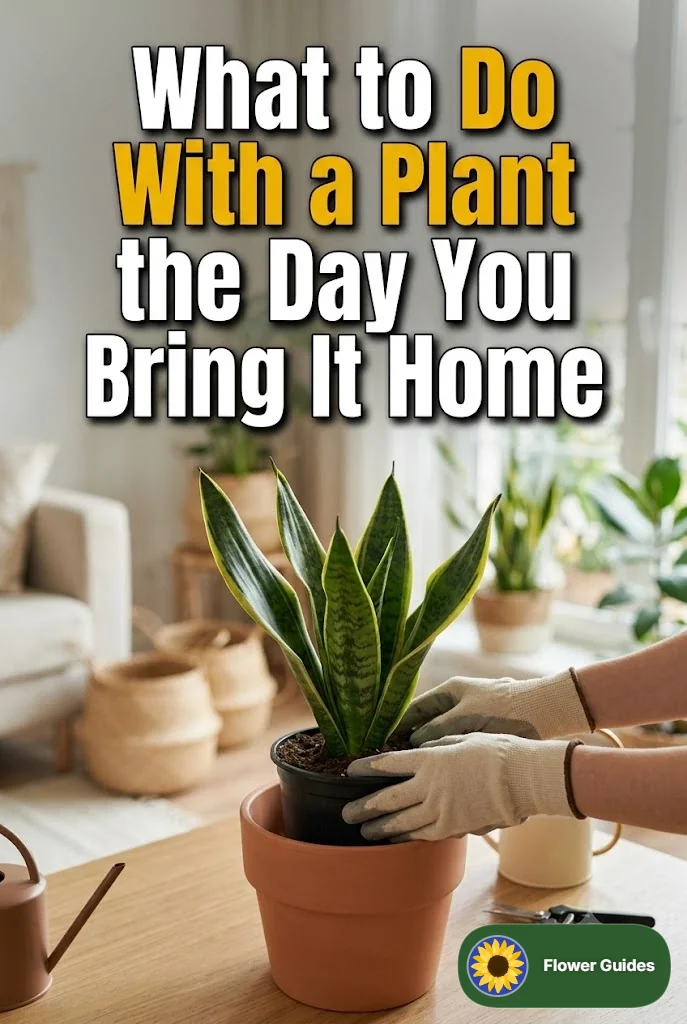
- Choose a pot that is one size larger than the current one, ensuring it has drainage holes.
- Prepare fresh potting soil suitable for your plant type.
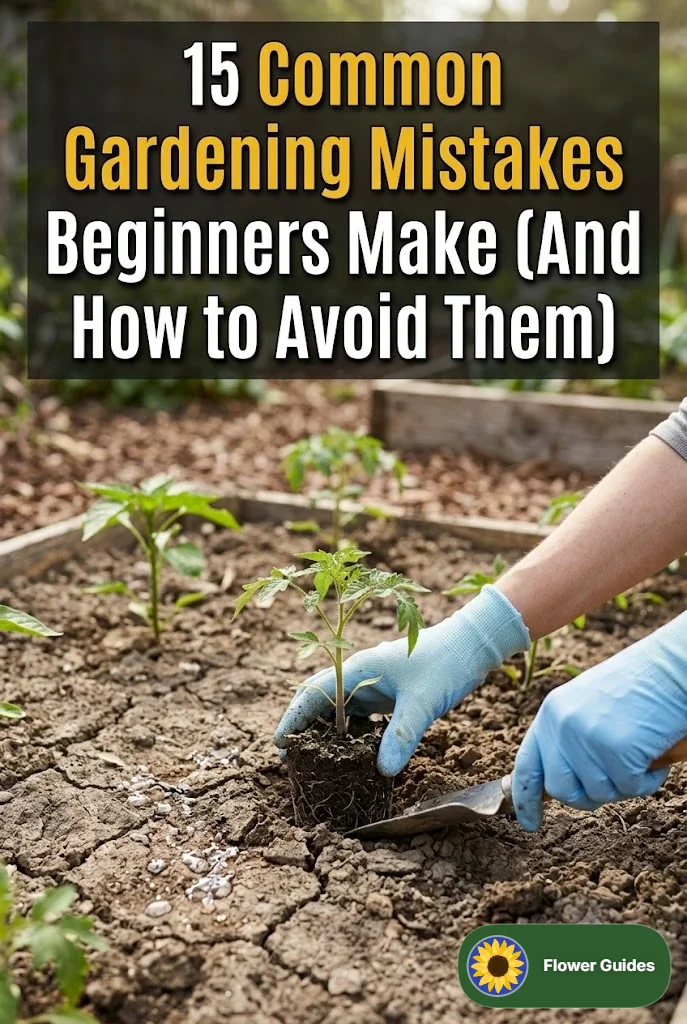
- Gently remove the plant from its original pot, loosening any tightly bound roots.
- Place the plant in the new pot and add soil around the roots. Water well after repotting.
Acclimate Your Plant
Plants can experience stress when moved to a new environment. Acclimating your plant is essential for its adjustment and health.
Gradual Introduction to Its New Environment
- Keep the plant in the same spot for a week or two before moving it to its permanent location. This helps it adjust to your home’s humidity and temperature.
- Avoid placing it near drafts or heat sources as this can cause additional stress.
Pinterest-Style Ideas for Plant Care
Here are some inspiring ideas for maximizing your plant’s potential and making it a stunning addition to your home:
- Create a Plant Corner: Dedicate a cozy nook with various plants to form a mini indoor jungle.
- Use Decorative Pots: Choose pots that complement your home decor for added visual appeal.
- Group Plants by Type: Arrange similar plants together for a beautiful and organized display.
- Incorporate Plant Stands: Elevate smaller plants on stands for added height and interest.
- Utilize Hanging Planters: Free up space and add dimension by hanging plants from the ceiling or wall.
Expert Tips for New Plant Owners
Here are some insider tips to keep your plants thriving:
- Learn about your plant’s specific needs—different species have unique requirements.
- Consider using a moisture meter to track soil moisture levels accurately.
- Fertilize your plant after it has acclimated for a few weeks to provide essential nutrients.
- Regularly rotate your plant to ensure even growth and prevent it from leaning towards the light.
Common Questions
How often should I water my new plant?
Watering frequency depends on the type of plant and its environment. Generally, it’s best to check the soil moisture every few days and water as needed.
Do I need to fertilize right away?
It’s advisable to wait a few weeks after bringing a plant home before fertilizing, allowing it to acclimate first.
What if my plant looks droopy?
Droopy leaves can indicate underwatering or overwatering. Check the soil moisture and adjust your watering schedule accordingly.
Conclusion
Bringing a new plant home is just the beginning of a rewarding journey. By following these steps on the day of arrival, you set your plant up for a successful transition to its new environment. Remember to inspect, provide adequate light, water appropriately, consider repotting, and allow for acclimation. With a little love and attention, your plant will flourish and bring joy to your space for years to come. Happy gardening!