How to Start a Garden From Scratch: A Beginner’s First-Year Plan
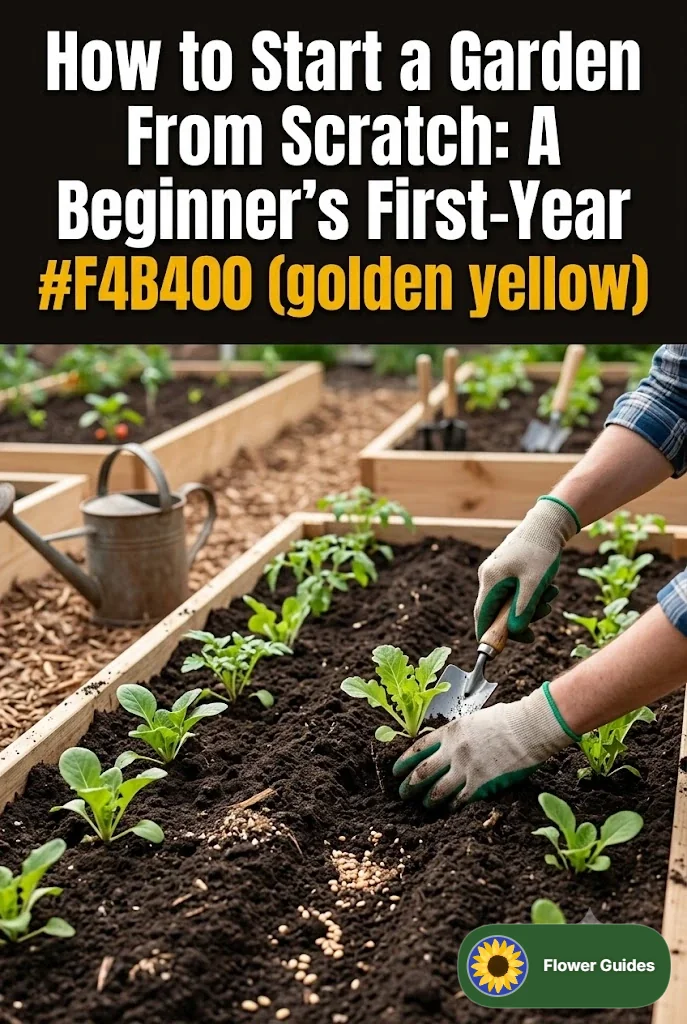
Creating a garden from scratch can feel like a daunting task, but it’s also an incredibly rewarding experience. Whether you’re dreaming of fresh vegetables or a colorful flower bed, starting a garden allows you to connect with nature and enjoy the fruits (and flowers) of your labor. If you’re new to gardening, the key is to take it step by step. Embrace the journey, learn as you go, and watch your efforts bloom into something beautiful.
Quick Answer
To start a garden from scratch, choose a suitable location, prepare the soil, select plants that thrive in your climate, and establish a watering and maintenance routine. Follow this beginner’s first-year plan to cultivate a successful garden.
Choosing the Right Location
Your first step in starting a garden is selecting the perfect spot. Here’s what to consider:
- Sunlight: Most vegetables and flowers thrive in full sun, requiring at least 6-8 hours of sunlight daily. Observe your yard throughout the day to identify sunny areas.
- Accessibility: Choose a location that is easy to access for watering, weeding, and harvesting. Proximity to a water source is a bonus.
- Drainage: Ensure the area has good drainage, as standing water can harm plant roots. If your yard has low spots, consider raised beds.
Preparing the Soil
Testing Your Soil
Healthy soil is the foundation of a successful garden. Start by testing your soil to determine its pH and nutrient levels. You can buy a soil test kit or send a sample to a local extension service. This will help you understand what amendments are necessary.
Amending Your Soil
Based on your soil test results, you may need to add:
- Compost: Enriches soil structure and provides essential nutrients.
- Organic fertilizers: Boosts nutrient content for better plant growth.
- Mulch: Helps retain moisture and suppress weeds.
Mix these amendments into the top 12 inches of soil to create a fertile bed for planting.
Selecting Plants
Choosing the right plants for your garden is crucial. Here are some tips to guide you:
- Start Small: Begin with a few plants that you enjoy. If you’re growing vegetables, consider easy-to-grow options like lettuce, radishes, or tomatoes.
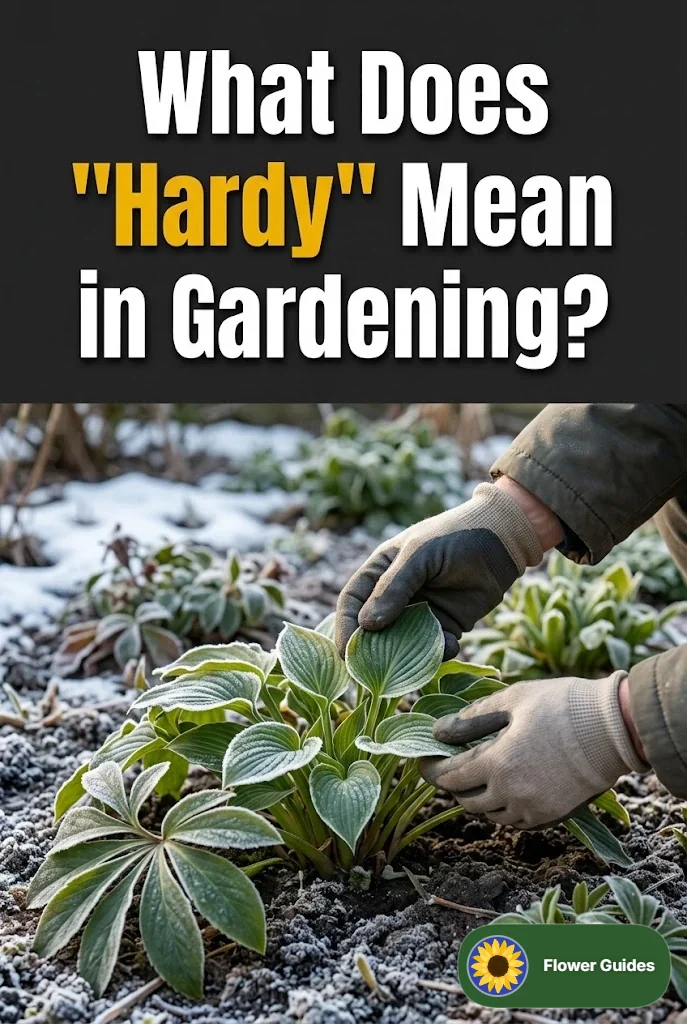
- Consider Your Climate: Research plants that thrive in your hardiness zone. Local garden centers can provide valuable insights.
- Plan for Seasons: Select a mix of spring, summer, and fall crops to enjoy a continuous harvest.
Creating a Planting Schedule
Timing is everything in gardening. Here’s a simple guide to help you plan your planting schedule:
- Spring: Start with cool-season crops such as peas, spinach, and kale. These can be sown as soon as the soil is workable.
- Late Spring: As the risk of frost passes, plant warm-season crops like beans, squash, and peppers.
- Summer: Continue sowing fast-growing crops for a late summer harvest, including radishes and bush beans.
- Fall: Consider planting a fall crop of garlic, or overwintering crops like kale and carrots.
Watering and Maintenance Routine
Consistency is key in gardening. Set a watering schedule that suits your plants’ needs:
- Water Deeply: Aim to water in the early morning or late afternoon. This helps prevent evaporation and ensures deep root growth.
- Mulch Regularly: Apply a layer of mulch to retain moisture and suppress weeds.
- Weed Wisely: Regularly check for weeds and remove them before they can establish roots. This keeps your plants healthy and thriving.
Pinterest-Style Garden Ideas
Here are some inspiring ideas to visualize as you start your garden:
- Vertical Gardens: Use vertical planters or trellises to maximize space, perfect for small yards.
- Herb Spiral: Create a spiral garden for herbs that allows for diverse microclimates and easy access.
- Pollinator-Friendly Zone: Incorporate flowers that attract bees and butterflies, adding beauty and supporting local wildlife.
- Kitchen Garden: Plant herbs and vegetables close to your kitchen for easy access while cooking.
Expert Tips Section
Here are some insider tips to enhance your gardening experience:
- Companion Planting: Pair plants that benefit each other, such as tomatoes and basil, to improve growth and deter pests.
- Keep a Garden Journal: Document plant growth, weather conditions, and what works or doesn’t for future reference.
- Join a Local Gardening Group: Connect with fellow gardeners for advice, plant swaps, and community support.
Common Questions
What is the best time to start a garden?
The best time to start a garden depends on your climate zone, but generally, early spring is ideal for planting most crops.
How often should I water my garden?
Water your garden deeply about once a week, or more often during hot, dry spells. Always check the soil moisture first.
What are some easy vegetables for beginners?
Some easy vegetables for beginners include lettuce, radishes, carrots, and beans. They’re forgiving and quick to grow.
How do I keep pests away from my garden?
Implement natural pest control methods such as introducing beneficial insects, using neem oil, and planting pest-repelling herbs.
Conclusion
Starting a garden from scratch is a wonderful way to nurture your love for nature while enjoying the satisfaction of growing your own plants. Remember, gardening is a journey filled with learning and discovery. Take your time, enjoy the process, and don’t be afraid to experiment. With patience and care, your garden will flourish, bringing joy and nourishment for years to come.