How to Choose the Right Plant for the Right Place
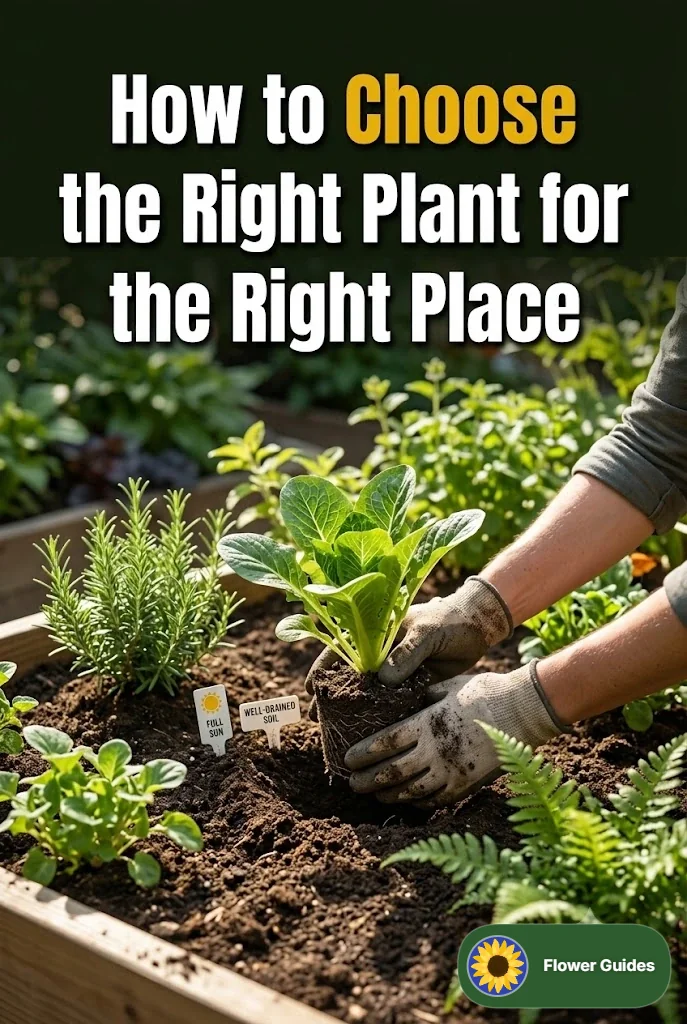
Choosing the right plant for the right place can feel overwhelming, especially with the endless variety of options available. Whether you’re starting a new garden, enhancing your home’s interior with houseplants, or landscaping your yard, the key to success lies in understanding your environment. The right plant can thrive and flourish, while the wrong one can lead to frustration and wasted resources. Let’s dive into the essentials of selecting plants that will not only survive but thrive in their designated spots.
Understanding Your Environment
Assessing Sunlight Levels
Sunlight is a crucial factor in plant selection. Different plants have varying light requirements:
- Full Sun: Requires at least 6 hours of direct sunlight daily. Ideal for vegetables, succulents, and many flowering plants.
- Partial Shade: Thrives with 3-6 hours of sunlight. Great for many perennials and shrubs.
- Full Shade: Needs less than 3 hours of sunlight. Suitable for ferns and some ground covers.
Observe your garden or indoor space at different times of the day to understand how sunlight plays a role in your selection.
Soil Type and Quality
Understanding the soil type is equally important. Different plants thrive in different soil conditions:
- Sandy Soil: Drains quickly but holds few nutrients, suitable for drought-tolerant plants.
- Clay Soil: Retains moisture but can be heavy and compacted, ideal for moisture-loving plants.
- Loamy Soil: A combination of sand, silt, and clay, it’s generally ideal for most plants.
Consider conducting a soil test to determine pH and nutrient levels, which will guide your plant choices.
Climate Considerations
Hardiness Zones
Knowing your hardiness zone is crucial for outdoor plants. The USDA Plant Hardiness Zone Map divides the U.S. into regions based on temperature extremes. Select plants that are hardy for your specific zone to ensure they can survive the winter.
Microclimates
Even within a hardiness zone, microclimates exist. These are small areas that may have different conditions due to factors like:
- Presence of buildings or walls
- Elevation changes
- Proximity to water bodies
Observe these microclimates to identify spots where certain plants may thrive better than expected.
Specific Plant Needs
Water Requirements
Different plants have varying water needs. Here’s a quick guide:
- Drought-Tolerant Plants: Succulents and cacti are great for dry areas.
- Moderate Water Needs: Most perennials and many shrubs fall into this category.
- High Water Needs: Plants like ferns and certain flowers need consistent moisture.
Be mindful of your watering habits and the natural rainfall in your area when choosing plants.
Size and Growth Habits
Consider the mature size of the plant. A small garden space may not be suitable for a tree that grows too large, while larger areas can benefit from tall or wide plants. Additionally, think about:
- Growth Habit: Some plants spread out, while others grow upright.
- Maintenance: Choose plants that fit your lifestyle. Low-maintenance plants are ideal for busy individuals.
Design and Aesthetic Considerations
Color and Texture
Plants are not just about function; they also contribute to the aesthetics of your space. Consider:
- Color Combinations: Mix complementary colors for visual interest.
- Texture Contrast: Combine smooth leaves with spiky ones for a dynamic look.
Designing with plants can create beautiful focal points or soft transitions in your garden.
Seasonal Interest
Choose plants that provide year-round interest. For example:
- Spring: Look for early bloomers like crocuses.
- Summer: Choose vibrant flowers like sunflowers.
- Fall: Opt for plants with colorful foliage.
- Winter: Consider evergreens or plants with decorative berries.
Practical Tips for Plant Selection
- Start Small: If you’re new to gardening, begin with a few plants and expand as you gain confidence.
- Consult Local Experts: Visit local nurseries or garden centers for advice tailored to your region.
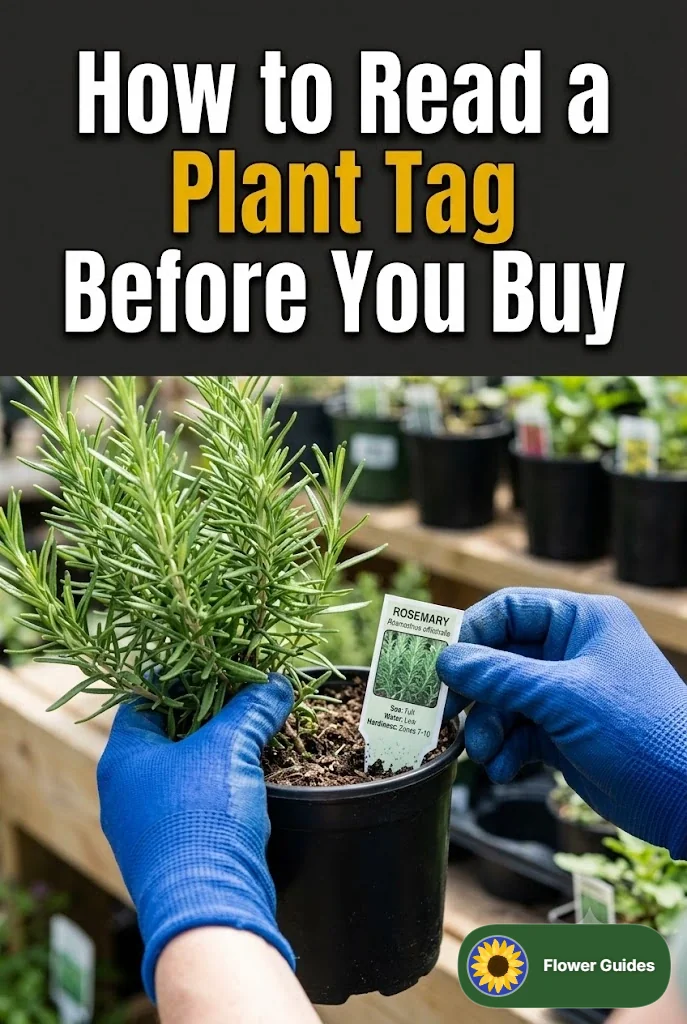
- Use Plant Tags: Pay attention to the information provided on plant tags, which often include light, water, and space requirements.
Expert Tips Section
Here are some insider tips to enhance your plant selection process:
- Companion Planting: Some plants thrive together while others may hinder each other’s growth. Research compatible plants.
- Group Plants by Need: Organize your garden based on similar water and light needs to simplify care.
- Trial and Error: Don’t be afraid to experiment! Gardening is a learning process, and some plants may surprise you.
Common Questions
What is the best way to determine my soil type?
You can perform a simple test by taking a handful of moist soil and squeezing it. Sandy soil crumbles easily, while clay soil forms a ball and feels sticky.
How can I improve poor soil for planting?
Add organic matter such as compost or well-rotted manure to enrich the soil and improve its structure.
What are some low-light houseplants?
Consider plants like pothos, snake plants, or ZZ plants, which thrive in low-light conditions.
Conclusion
Choosing the right plant for the right place is a rewarding process that can transform your space into a thriving oasis. By understanding your environment and considering specific plant needs, you can create a vibrant garden or indoor setting that flourishes. Take your time, enjoy the journey, and let your green thumb flourish!