Does Dish Soap Kill Aphids? The Right Way to Mix It
Gardeners often find themselves battling pests that threaten their beloved plants. Among these unwelcome guests, aphids are notorious for their rapid reproduction and the damage they can inflict on tender foliage. With a myriad of pest control options available, many people wonder if dish soap could be an effective solution. Let’s explore the effectiveness of dish soap in killing aphids and the right way to mix and apply it for the best results.
Quick Answer
Yes, dish soap can kill aphids by suffocating them when mixed correctly with water. A proper mixture disrupts their protective coating, leading to dehydration. However, it’s crucial to use the right type of dish soap and follow optimal mixing instructions for effectiveness.
Understanding Aphids and Their Impact
Aphids are small, soft-bodied insects that can be found in various colors, including green, black, and yellow. They feed by sucking sap from plants, which can lead to stunted growth, yellowing leaves, and the potential spread of diseases. One of the reasons they thrive is their ability to reproduce quickly. A single female aphid can give birth to dozens of offspring in a matter of days. Understanding their life cycle and behavior is key to effective management.
Why Use Dish Soap?
Dish soap serves as a natural and environmentally friendly option for controlling aphid populations. Unlike some chemical pesticides, dish soap is less harmful to beneficial insects and has minimal residual effects on the environment. It works by breaking down the waxy coating on aphids, leading to dehydration and death.
Choosing the Right Dish Soap
Not all dish soaps are created equal. Here are some guidelines for selecting the right one:
- Gentle Formulas: Look for biodegradable and non-toxic brands. Avoid those with added fragrances, colors, or bleach, as these can harm plants.
- Concentration: Use a concentrated dish soap for better effectiveness. Regular soaps may not provide the desired results.
- Check Ingredients: Ensure the soap contains no harmful chemicals that could damage your plants or pollute the soil.
How to Mix Dish Soap for Aphids
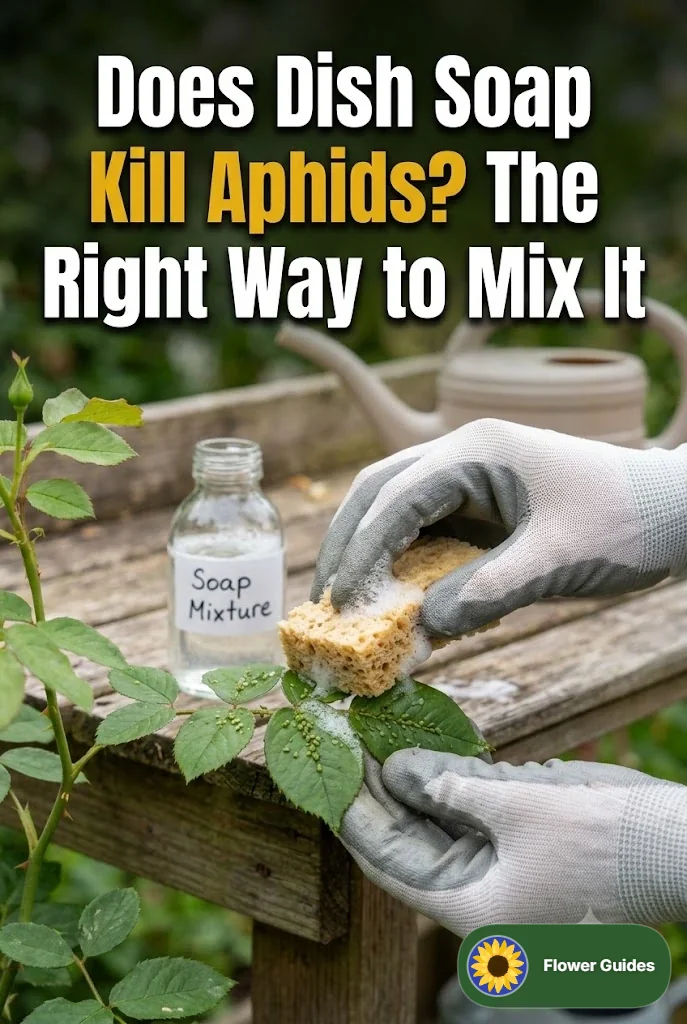
Mixing dish soap correctly is crucial to ensure its effectiveness against aphids while minimizing harm to your plants. Here’s a step-by-step guide:
Ingredients Needed
- Water (preferably distilled or rainwater)
- Dish soap (gentle, biodegradable)
- A spray bottle or garden sprayer
Mixing Instructions
- Measure the Soap: Use 1 to 2 tablespoons of dish soap per quart (about 1 liter) of water. For a smaller batch, you can adjust the ratio to 1 teaspoon of soap per cup of water.
- Combine Ingredients: Pour the water into your spray bottle first, then add the dish soap. This order helps prevent excessive sudsing.
- Shake Gently: Close the spray bottle and shake gently to mix the solution. Avoid vigorous shaking to prevent foaming.
Application Tips
For effective pest control, follow these application tips:
- Test First: Before applying to all plants, test the solution on a small area of the plant to check for any adverse reactions.
- Time of Day: Apply in the early morning or late evening when temperatures are cooler. Avoid applying in direct sunlight to prevent leaf burn.
- Thorough Coverage: Spray the undersides of leaves where aphids like to hide. Ensure complete coverage for effective results.
- Repeat as Necessary: Reapply every few days or after rain until the aphid population is under control.
Pinterest-Style Ideas for Pest Control
Creative and visually appealing ideas can make pest control more engaging. Here are some inventive approaches to use alongside dish soap:
- Herbal Infusions: Combine dish soap with herbal teas like chamomile or peppermint to create a fragrant spray that deters aphids.
- Essential Oils: Add a few drops of essential oils such as neem or lavender to your dish soap solution for enhanced pest-fighting properties.
- Companion Planting: Incorporate plants like marigolds or nasturtiums nearby to naturally repel aphids.
Expert Tips for Success
Here are some insider tips to maximize the effectiveness of your dish soap solution:
- Monitor Regularly: Keep an eye on your plants for any signs of aphids. Early detection makes control easier.
- Use a Fine Mist: When spraying, use a fine mist to ensure that the soap solution can coat aphids effectively without damaging the plant.
- Combine Methods: Consider using dish soap alongside other natural methods, such as introducing ladybugs or using neem oil, for a comprehensive approach.
Common Questions About Dish Soap and Aphids
1. Can I use any type of dish soap?
It’s best to use a gentle, biodegradable dish soap without additives. Harsh soaps can harm plants.
2. How often should I apply the soap solution?
Reapply every few days or after rain until you notice a significant reduction in aphid numbers.
3. Will dish soap harm beneficial insects?
While dish soap is less harmful than many pesticides, it can affect beneficial insects if applied directly. Aim to apply it when beneficials are less active.
4. Is dish soap effective against other pests?
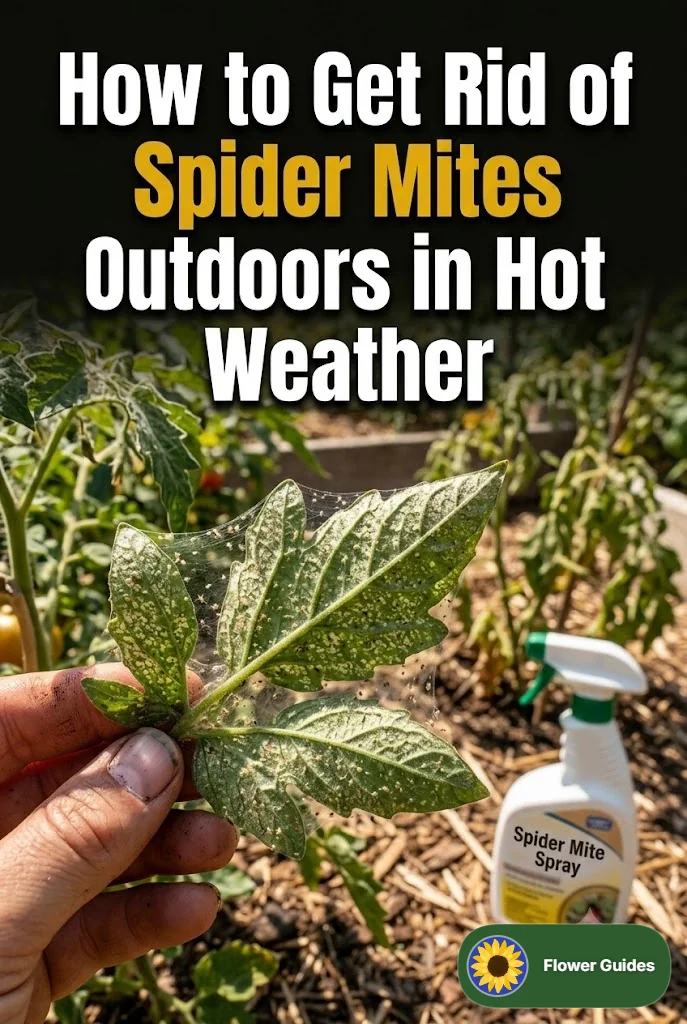
Yes, dish soap can also be effective against other soft-bodied pests like spider mites and whiteflies.
5. How do I store leftover soap solution?
Store any unused solution in a cool, dark place, and use it within a week for best results.
Conclusion
Using dish soap to combat aphids can be an effective and eco-friendly solution. By understanding how to mix and apply it correctly, you can protect your plants from these pesky pests. Remember to monitor your garden regularly and combine methods for a holistic approach to pest control. Happy gardening!