How to Get Rid of Whiteflies in the Garden
Whiteflies can be a gardener’s worst nightmare, wreaking havoc on your plants and leaving you frustrated. These tiny, winged insects may seem harmless at first, but they can quickly multiply and cause serious damage to your garden. If you’ve noticed these pests hovering around your plants, it’s crucial to take action promptly. In this guide, we’ll explore effective strategies to eliminate whiteflies and protect your garden from their relentless invasion.
What Are Whiteflies?
Whiteflies are small, winged insects that belong to the Aleyrodidae family. They are typically found on the undersides of leaves, where they feed by sucking the sap from plants. This feeding can lead to yellowing leaves, stunted growth, and even plant death if not addressed. Whiteflies thrive in warm, humid environments, making gardens a perfect breeding ground for their populations.
Quick Answer
To get rid of whiteflies in your garden, you can use a combination of natural remedies, insecticidal soaps, and preventive measures. Regularly inspect your plants, introduce beneficial insects, and maintain a healthy garden environment to keep whiteflies at bay.
Identifying Whiteflies
Before you can effectively eliminate whiteflies, it’s essential to accurately identify them. Here are some characteristics to help you:
- Appearance: Adult whiteflies are small, about 1/16 to 1/8 inch long, and have white, powdery wings.
- Behavior: They tend to fly in swarms when disturbed and are often found on the undersides of leaves.
- Symptoms: Look for yellowing leaves, sticky residue (honeydew), or sooty mold on your plants.
Effective Strategies for Getting Rid of Whiteflies
1. Manual Removal
Start with the simplest method: manual removal. Here’s how:
- Gently shake the infested plants to dislodge whiteflies.
- Use a vacuum cleaner with a hose attachment to suck up the pests.
- Remove heavily infested leaves and dispose of them to prevent further spread.
2. Natural Remedies
Utilizing natural remedies can be effective and environmentally friendly:
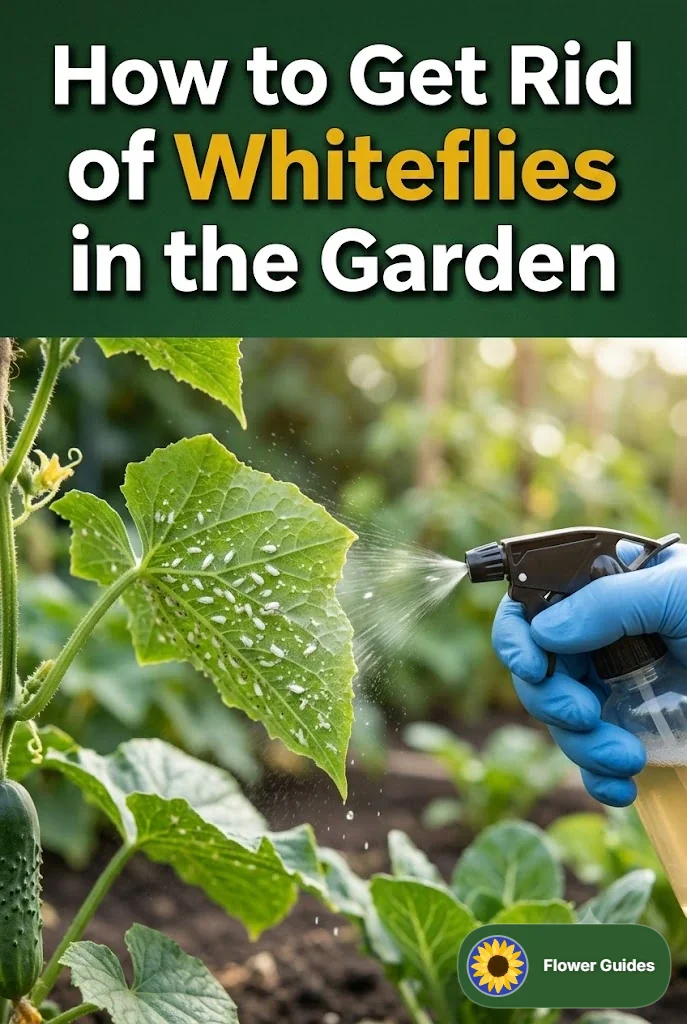
- Soap Solution: Mix a few drops of liquid dish soap with water in a spray bottle. Spray directly on the whiteflies and affected leaves to suffocate them.
- Neem Oil: This natural pesticide disrupts the life cycle of whiteflies. Mix neem oil with water and spray on infested plants.
- Garlic or Pepper Spray: Blend garlic or hot pepper with water, strain, and spray on plants. The strong smell deters whiteflies.
3. Insecticidal Soap and Oils
If natural remedies are not enough, consider using insecticidal soap or horticultural oils. These products are designed to target soft-bodied insects like whiteflies without harming your plants. Follow the manufacturer’s instructions for application frequency and dilution rates.
4. Introducing Beneficial Insects
Encouraging beneficial insects in your garden can help control whitefly populations:
- Ladybugs: These insects are predators of whiteflies and can significantly reduce their numbers.
- Lacewings: The larvae of lacewings also feed on whiteflies and their eggs.
- Parasitic Wasps: Tiny wasps like Encarsia formosa lay their eggs inside whitefly larvae, eventually controlling their population.
Preventive Measures
Prevention is key to managing whiteflies effectively. Implement these strategies to keep them at bay:
- Regular Inspections: Frequently check the undersides of leaves for signs of whiteflies and other pests.
- Healthy Plants: Maintain healthy, well-nourished plants that are less susceptible to infestations.
- Companion Planting: Certain plants, like marigolds, can repel whiteflies and other pests. Incorporate them into your garden.
- Sticky Traps: Place yellow sticky traps around your garden to catch adult whiteflies.
Common Mistakes to Avoid
When dealing with whiteflies, avoid these common pitfalls:
- Ignoring Early Signs: Don’t wait until the infestation is severe. Early detection is crucial.
- Overuse of Chemicals: Relying solely on chemical pesticides can harm beneficial insects and create resistance.
- Neglecting Plant Health: Weak plants are more susceptible to pests. Ensure proper watering, feeding, and care.
Expert Tips for Long-Term Management
For ongoing control of whiteflies, consider these expert tips:
- Rotate Crops: Changing the location of your plants each season can disrupt the life cycle of whiteflies.
- Mulching: Use organic mulch to improve soil health and reduce pest attraction.
- Monitor Weather Conditions: Humid, warm conditions encourage whiteflies. Adjust your watering practices accordingly.
Common Questions About Whiteflies
1. How do whiteflies affect my plants?
Whiteflies suck the sap from plants, leading to yellowing leaves, wilting, and reduced growth. They can also excrete honeydew, which promotes sooty mold.
2. Can I prevent whiteflies from infesting my garden?
Yes, regular inspections, maintaining plant health, and introducing beneficial insects can help prevent whitefly infestations.
3. Are chemical pesticides effective against whiteflies?
Chemical pesticides can be effective but may also harm beneficial insects. It’s best to use them as a last resort and follow up with preventive measures.
4. How often should I check for whiteflies?
Regular checks every week or two, especially during warm months, can help catch infestations early.
Conclusion
Getting rid of whiteflies in your garden requires a proactive approach combining manual removal, natural remedies, and preventive measures. By staying vigilant and maintaining a healthy garden ecosystem, you can protect your plants from these pesky invaders. Don’t let whiteflies ruin your gardening efforts—take action today and enjoy a thriving garden free from pests!