How to Get Rid of Slugs Naturally (What Works and What’s a Myth)
Slugs can be a gardener’s worst nightmare. Their slimy trails and insatiable appetite for tender leaves can turn a flourishing garden into a wasteland overnight. If you’re tired of battling these pesky pests and want to avoid harsh chemicals, you’re in the right place. Let’s explore natural methods to get rid of slugs effectively, separating the facts from the myths. Your garden deserves to thrive, and with the right strategies, you can reclaim it from these unwelcome intruders.
Quick Answer
To naturally get rid of slugs, use barriers like crushed eggshells, create a beer trap, or introduce natural predators such as ducks. Avoid common myths like using coffee grounds or salt, as they are not effective and can harm your plants.
Understanding Slugs: The Basics
Before we dive into solutions, it helps to understand what attracts slugs to your garden. Here are some key factors:
- Moisture: Slugs thrive in damp environments. Overwatering or heavy rain can create perfect conditions for them.
- Food Sources: They are drawn to soft, tender plants, especially young seedlings and leafy greens.
- Shelter: Dark, damp places like mulch, tall grass, and debris provide ideal hiding spots.
Effective Natural Methods to Deter Slugs
1. Physical Barriers
Creating barriers is one of the simplest and most effective ways to keep slugs at bay. Here are a few options:
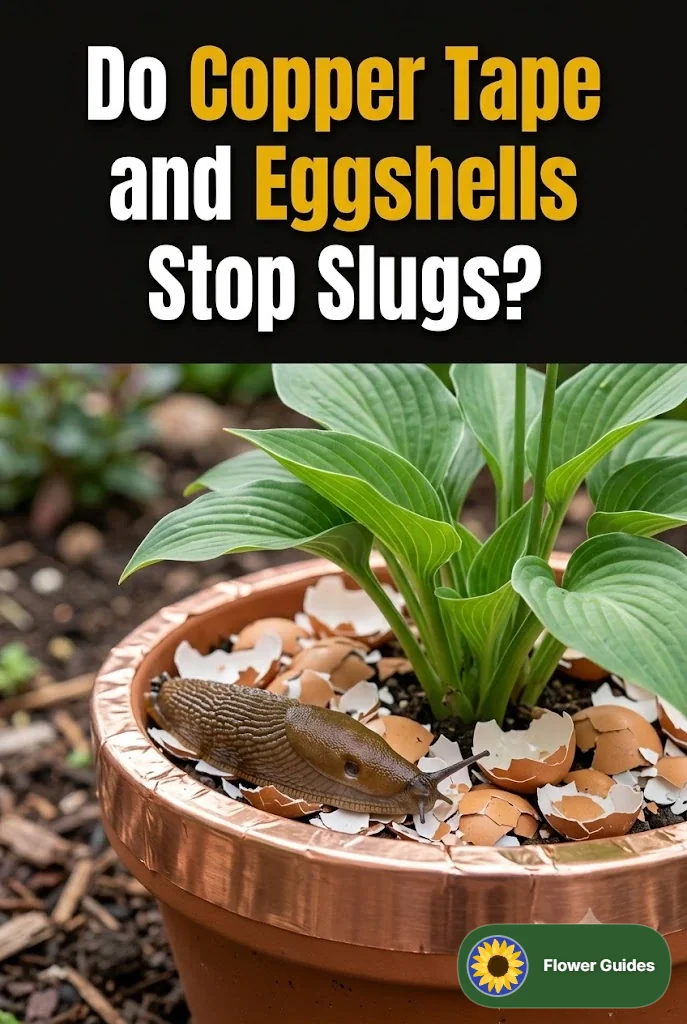
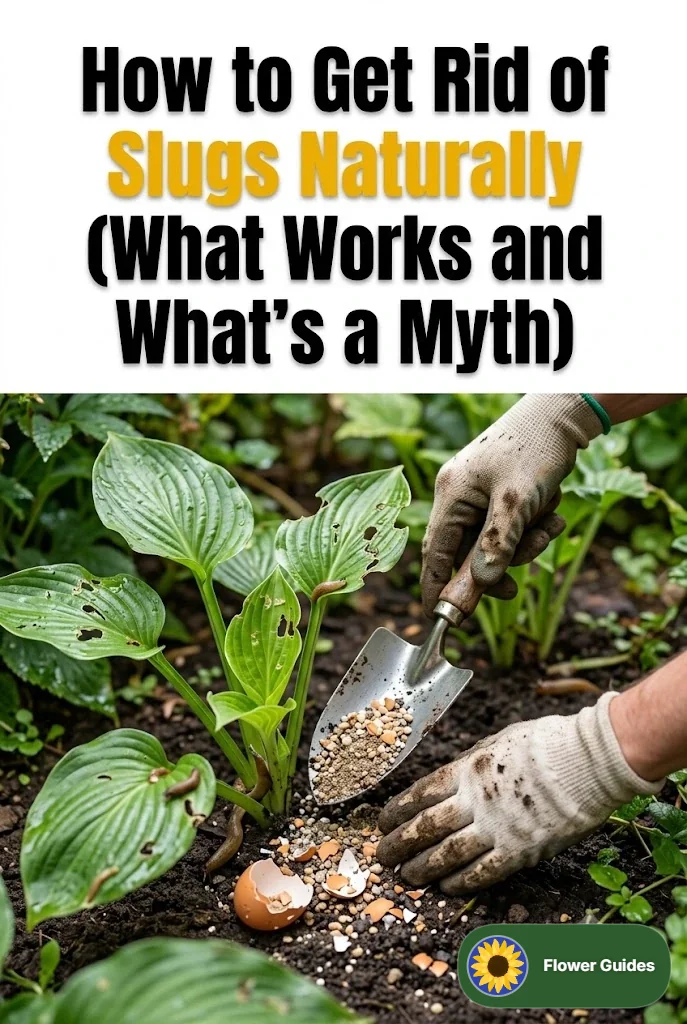
- Crushed Eggshells: Scatter crushed eggshells around your plants. Their sharp edges deter slugs from crossing.
- Copper Tape: Slugs receive a small electric shock when they touch copper. Placing copper tape around pots or garden beds can keep them out.
- Sand or Diatomaceous Earth: These materials create a rough surface that slugs dislike crawling over.
2. Traps
Trapping slugs can significantly reduce their numbers. Here are a couple of effective trap methods:
- Beer Traps: Slugs are attracted to beer. Bury a container up to its rim in the soil and fill it with beer. The slugs will crawl in and drown.
- Grapefruit Half Trap: Place half a grapefruit rind upside down in your garden. Slugs will gather underneath, making it easy to collect and dispose of them in the morning.
3. Natural Predators
Introducing natural predators can help keep slug populations under control. Consider:
- Ducks or Chickens: If you have space, these birds love to munch on slugs and can help keep your garden pest-free.
- Ground Beetles: Encourage ground beetles by creating a diverse habitat with native plants. They naturally prey on slugs.
What Doesn’t Work: Myths About Slug Control
While many methods are touted as effective slug deterrents, some are simply myths. Here’s a look at what doesn’t work:
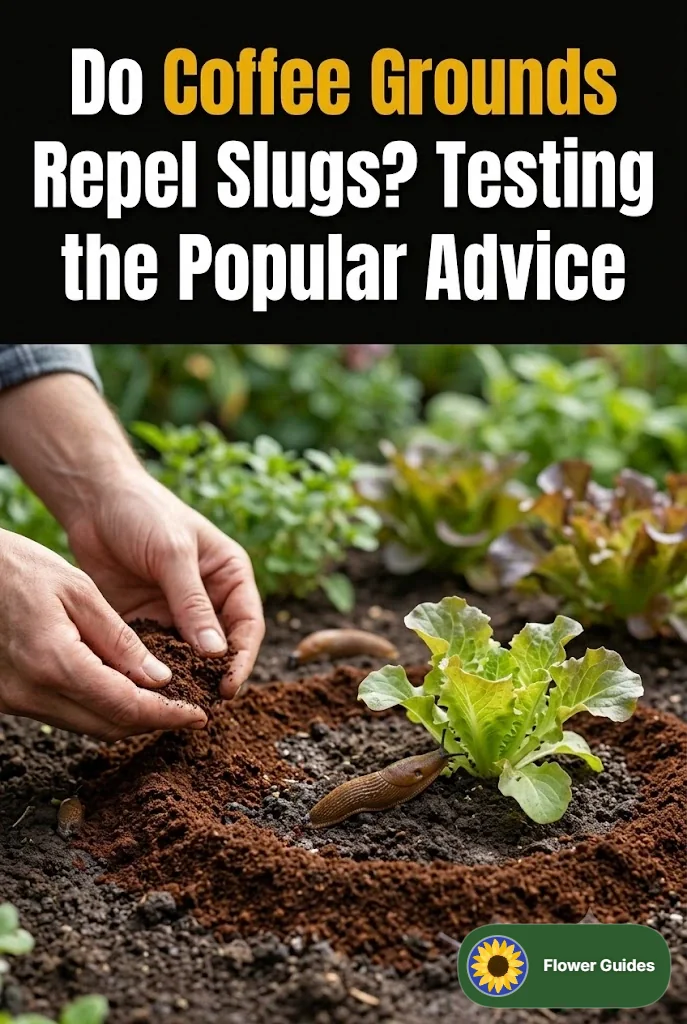
- Coffee Grounds: This common advice lacks scientific backing. While coffee can repel some pests, slugs are not significantly affected.
- Salt: While salt can kill slugs, it also harms the soil health and surrounding plants. It’s best avoided in favor of gentler methods.
- Soap Solutions: Many swear by soap sprays, but these can damage plant leaves and may not be effective against slugs.
Additional Tips for Maintaining a Slug-Free Garden
In addition to the methods mentioned, here are some additional strategies to help you maintain a slug-free garden:
- Water Wisely: Water your garden in the morning to allow the soil to dry out by evening, making it less inviting for slugs.
- Clean Up Debris: Regularly remove fallen leaves, mulch, and debris where slugs can hide.
- Choose Resistant Plants: Some plants are less appealing to slugs, such as lavender, rosemary, and sage. Incorporate these into your garden design.
Expert Tips for Success
Here are some insider tips to enhance your slug control efforts:
- Timing is Key: Monitor slug activity. They are most active at night and during overcast days. Check your garden during these times for better results.
- Combine Methods: Don’t rely on just one method. Use a combination of barriers, traps, and natural predators for the best outcome.
- Regular Monitoring: Keep an eye on your garden, especially after heavy rains, to catch slugs before they do damage.
Common Questions About Slug Control
1. Are slugs harmful to my garden?
Yes, slugs can cause significant damage by eating tender leaves and seedlings, leading to stunted growth or plant death.
2. Can I use vinegar to deter slugs?
Vinegar is too harsh on plants and can damage them. Stick to safer methods like barriers and traps.
3. How can I tell if I have a slug problem?
Look for slime trails, holes in leaves, and visible slugs, especially during damp conditions or at night.
Conclusion
Slugs may be a common garden nuisance, but with the right approach, you can manage their population naturally. By using barriers, traps, and encouraging natural predators, you can protect your plants without resorting to chemicals. Remember to stay vigilant and combine methods for the best results. Your garden will thank you!