How to Get Rid of Ants in Raised Beds
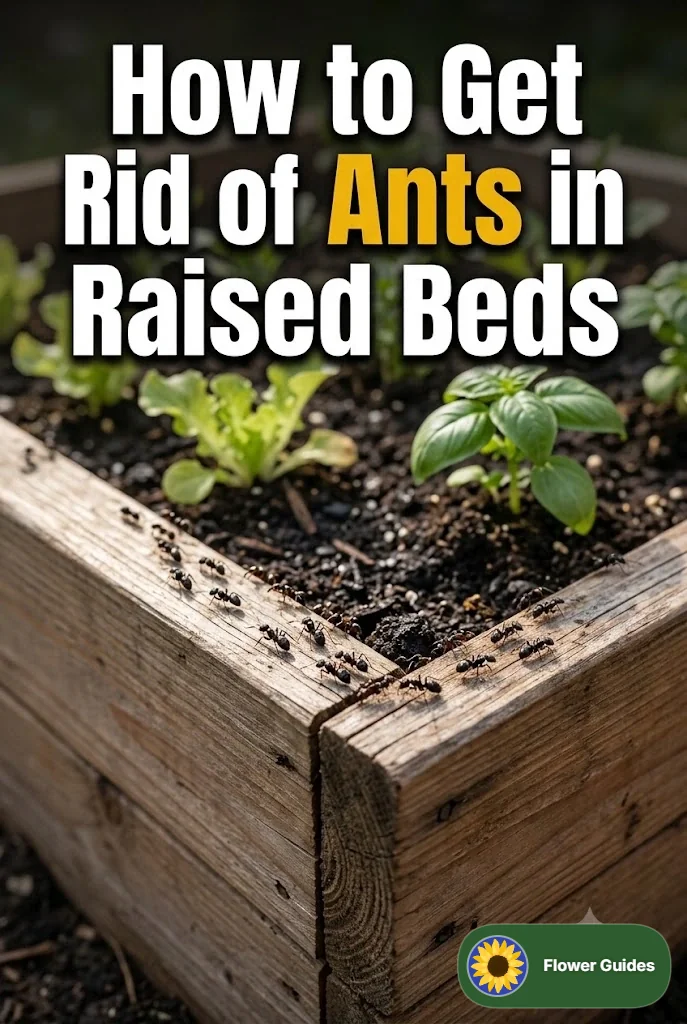
Ants can be a gardener’s worst nightmare, especially when they invade the lush environment of raised garden beds. These tiny invaders can disrupt the delicate ecosystem you’ve worked hard to nurture. Whether they’re tending to aphids or simply taking over your soil, it’s essential to take action before they wreak havoc on your plants. Fortunately, there are effective, natural methods to get rid of ants in raised beds without harming your garden. Let’s explore these strategies together!
Quick Answer
To get rid of ants in raised beds, mix equal parts water and vinegar to spray directly on the ants and their trails. Additionally, consider using diatomaceous earth or natural repellents like cinnamon and peppermint oil to deter them. Regular monitoring and maintaining a clean garden bed will also help keep ants at bay.
Understanding the Ant Problem
Before diving into solutions, it’s crucial to understand why ants are attracted to your raised beds. Here are a few reasons:
- Food Sources: Ants love sweets and proteins. If your plants are infested with aphids or other pests, ants may be drawn to the honeydew these pests produce.
- Warmth: Raised beds provide a warm, sheltered environment that ants find appealing.
- Moisture: The soil in your garden beds can retain moisture, creating the perfect habitat for ants.
Step-by-Step Solutions to Get Rid of Ants
1. Inspect and Identify
Start by inspecting your raised beds to identify where the ants are coming from. Look for ant trails and nests. Understanding their entry points can help you target your efforts effectively.
2. Maintain Cleanliness
Keeping your garden clean is crucial. Remove any debris, fallen fruits, or vegetables that could attract ants. Regularly check for aphids and other pests that might be luring ants into your garden.
3. Natural Repellents
Several natural substances can deter ants effectively:
- Cinnamon: Sprinkle ground cinnamon around the perimeter of your raised beds. Ants dislike the strong scent and will avoid crossing it.
- Peppermint Oil: Mix a few drops of peppermint essential oil with water in a spray bottle. Spray this mixture around the affected areas to repel ants.
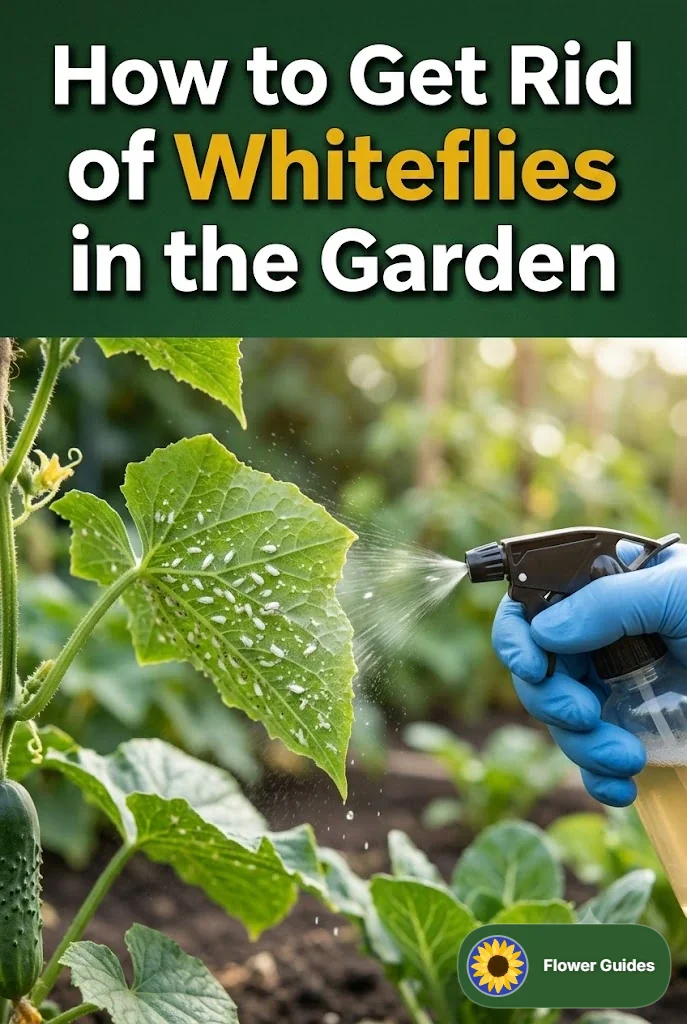
- Vinegar Solution: Combine equal parts water and vinegar in a spray bottle. This solution can be sprayed directly onto ants and their trails to disrupt their pheromone signals.
4. Diatomaceous Earth
Diatomaceous earth (DE) is a natural, non-toxic powder made from the fossilized remains of tiny aquatic organisms. It’s effective against ants because it damages their exoskeletons, leading to dehydration. Here’s how to use it:
- Sprinkle a thin layer of food-grade diatomaceous earth around the perimeter of your raised beds.
- Reapply after rain or watering, as DE loses effectiveness when wet.
- Monitor your garden and apply more as needed.
5. Boiling Water
For a quick and aggressive method, boiling water can be quite effective. Pouring boiling water directly onto ant hills can eliminate colonies rapidly. However, be cautious, as this method can also harm your plants if not applied carefully.
6. Baiting Strategies
If the infestation is significant, you may need to resort to baiting methods. Here’s how to do it safely:
- Homemade Baits: Mix equal parts borax and sugar with water to create a bait. Place it in small containers near ant trails. The sugar attracts ants while borax, a natural insecticide, kills them.
- Commercial Ant Baits: If homemade options aren’t effective, consider using commercially available ant baits that are safe for use in gardens.
Expert Tips for Prevention
Once you’ve tackled the ant problem, it’s essential to prevent future infestations. Here are some expert tips:
- Regular Monitoring: Keep an eye on your raised beds. Early detection can prevent larger issues.
- Companion Planting: Certain plants, like basil and marigolds, can deter ants and other pests when planted near vegetables.
- Mulch Wisely: Use organic mulch, as it can help retain moisture and deter ants. However, keep it away from the base of your plants to avoid creating a nesting site.
- Water Management: Ensure proper drainage in your raised beds to reduce moisture that attracts ants.
Common Questions (FAQ)
How can I tell if my garden has an ant problem?
Look for visible trails, nests, or excessive aphid populations on your plants, as these indicate ants are present.
Are ants harmful to my plants?
While ants themselves aren’t directly harmful, they can protect aphids and other pests that damage plants, leading to bigger problems.
Can I use chemical pesticides in my raised beds?
It’s advisable to avoid chemical pesticides in vegetable gardens, as they can harm beneficial insects and contaminate your food. Opt for natural solutions instead.
How often should I check for ants in my garden?
Regular checks—at least once a week—will help you catch any ant activity early before it becomes a larger problem.
Conclusion
Dealing with ants in raised beds might seem daunting, but with the right approach, you can reclaim your garden. By understanding their habits, utilizing natural deterrents, and maintaining a clean environment, you can effectively manage and prevent ant infestations. Your raised beds will thrive, and you’ll enjoy a bountiful harvest free from these pesky invaders. Happy gardening!