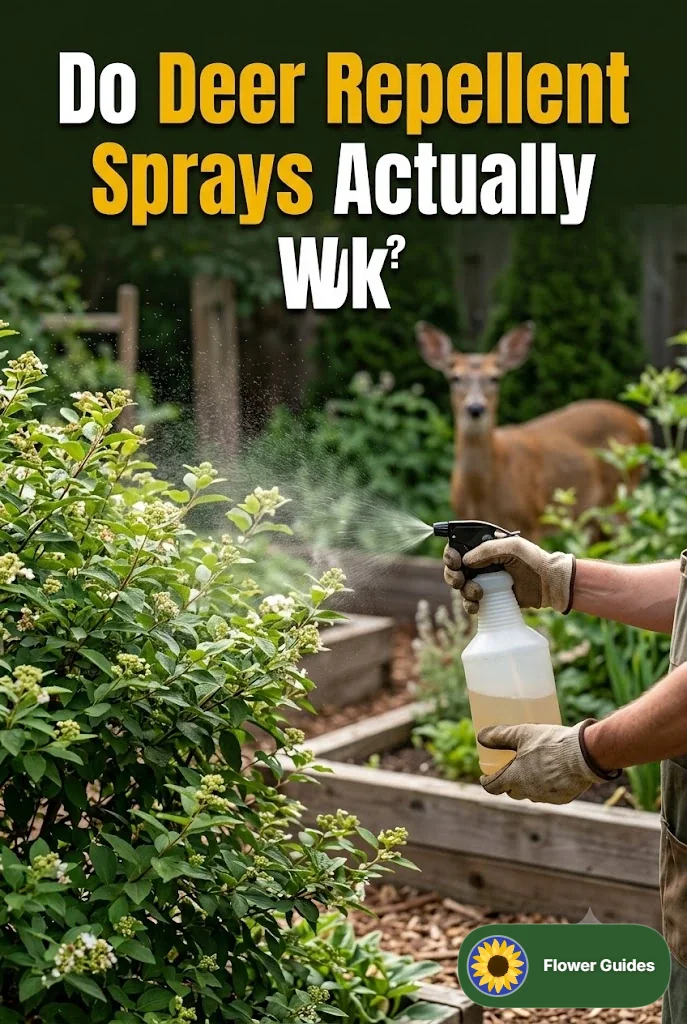
Do Deer Repellent Sprays Actually Work?
Dealing with deer in the garden can be an exasperating experience for any homeowner. These graceful creatures are beautiful to watch, but they can wreak havoc on your carefully tended plants and flowers. Many gardeners turn to deer repellent sprays, hoping to protect their precious blooms and veggies. But do these sprays actually work? In this article, we’ll explore the effectiveness of deer repellent sprays, the types available, and practical tips for using them to keep your garden safe.
Understanding Deer Behavior
Before diving into the effectiveness of deer repellent sprays, it’s essential to understand why deer target specific plants. Deer are browsers, meaning they prefer to eat tender leaves, fruits, and flowers. They are particularly attracted to gardens because of the variety of soft, nutritious options available. Understanding their behavior can help in selecting the right repellent strategy.
Why Do Deer Visit Gardens?
- Food Sources: Gardens often contain a variety of plants that deer find delicious.
- Cover and Safety: Gardens can provide a safe space away from predators.
- Habitual Behavior: Once deer discover a reliable food source, they tend to return.
What Are Deer Repellent Sprays?
Deer repellent sprays are products designed to deter deer from munching on your plants. They typically use scent or taste to discourage deer from approaching. These sprays can be made from various ingredients, including natural substances, synthetic chemicals, or a combination of both.
Types of Deer Repellent Sprays
- Natural Repellents: Made from ingredients like garlic, hot pepper, and essential oils. They are generally safe for the environment.
- Chemical Repellents: Often contain ingredients like putrescent egg solids and ammonium soaps. They can be more potent but may pose risks to pets and wildlife.
- Homemade Repellents: You can create your own repellent using household items like dish soap, vinegar, or cayenne pepper mixed with water.
Do Deer Repellent Sprays Actually Work?
The effectiveness of deer repellent sprays can vary based on several factors. While many gardeners report success, others find that deer become accustomed to certain scents over time. Here’s a breakdown of how these sprays work and their limitations.
Understanding Effectiveness
- Short-Term Success: Many repellents can provide short-term protection by creating an unpleasant taste or smell that deters deer.
- Adaptation: Deer can adapt to certain scents and tastes, reducing the effectiveness of the spray over time.
- Application Frequency: Frequent reapplication is necessary, especially after rain or watering, to maintain effectiveness.
Factors Affecting Repellent Success
- Plant Type: Some plants are more appealing to deer than others; the choice of plant can influence how well a repellent works.
- Environmental Conditions: Weather can affect the longevity of repellents. Rain can wash away sprays, reducing their effectiveness.
- Deer Population: In areas with high deer populations, repellents may struggle to keep them away.
Practical Tips for Using Deer Repellent Sprays
To maximize the effectiveness of deer repellent sprays, consider these practical tips:
1. Choose the Right Product
Research various repellents to find one that suits your garden’s needs. Look for products with positive reviews and consider trying a few different types.
2. Apply Before Planting
For new plants, applying repellents before they are established can help deter deer before they become a target.
3. Reapply Regularly
Be diligent about reapplying the spray, especially after rain or heavy watering. A regular schedule, such as every two weeks, can help maintain a barrier.
4. Combine Strategies
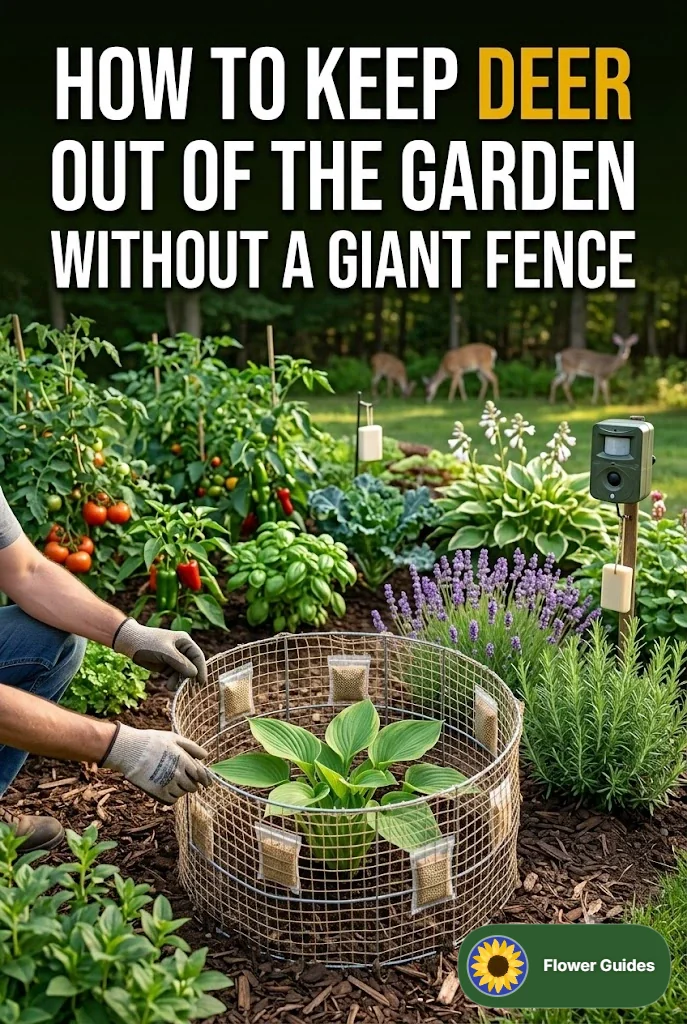
Consider using repellents in conjunction with other deterrent methods, such as fencing or motion-activated sprinklers, for enhanced protection.
5. Monitor Effectiveness
Keep an eye on your garden. If you notice deer returning, it may be time to switch products or try a different approach.
Pinterest-Style Ideas for Protecting Your Garden
Here are some creative and visually appealing ideas to deter deer while keeping your garden beautiful:
- Garden Scarecrow: Craft a whimsical scarecrow using colorful fabrics that move in the wind.
- Herb Borders: Plant strong-smelling herbs like rosemary and mint around your garden to create a natural barrier.
- Reflective Objects: Hang shiny objects like CDs or aluminum foil strips to create a dazzling display that confuses deer.
- Decorative Fencing: Use attractive fencing adorned with climbing plants to keep deer out while enhancing your garden’s aesthetic.
Expert Tips on Deer Deterrent Strategies
Here are some insider tips to enhance your deer repellent strategy:
- Rotate Repellents: Change the type of repellent every few weeks to prevent deer from becoming accustomed to a specific scent.
- Timing is Key: Apply repellents in the early morning or late evening when deer are most active.
- Use Companion Planting: Pair deer-resistant plants with your garden favorites to distract deer from your most vulnerable plants.
Common Questions About Deer Repellent Sprays
1. How long do deer repellent sprays last?
The longevity of a deer repellent spray varies by product and environmental conditions. Generally, they last from a few days to a couple of weeks, especially after rain.
2. Are deer repellent sprays safe for pets and wildlife?
Most commercially available deer repellents are safe when used as directed. However, always check the label for specific safety information.
3. Can I make my own deer repellent spray?
Yes! Many gardeners create effective homemade repellents using ingredients like garlic, cayenne pepper, and soap mixed with water.
Conclusion
Deer repellent sprays can be a useful tool in protecting your garden, but their effectiveness largely depends on proper application and understanding deer behavior. By combining sprays with other deterrent strategies and staying consistent in their use, you can help safeguard your garden from these graceful yet destructive creatures. Remember, gardening is about experimentation and finding what works best for your unique situation. Happy gardening!