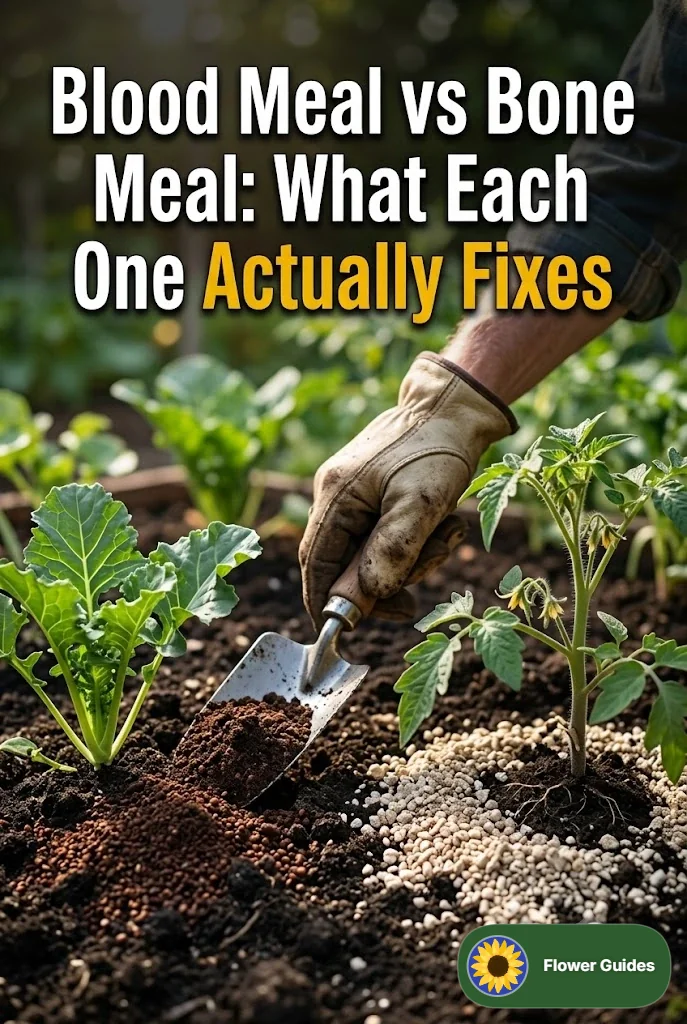
Blood Meal vs Bone Meal: What Each One Actually Fixes
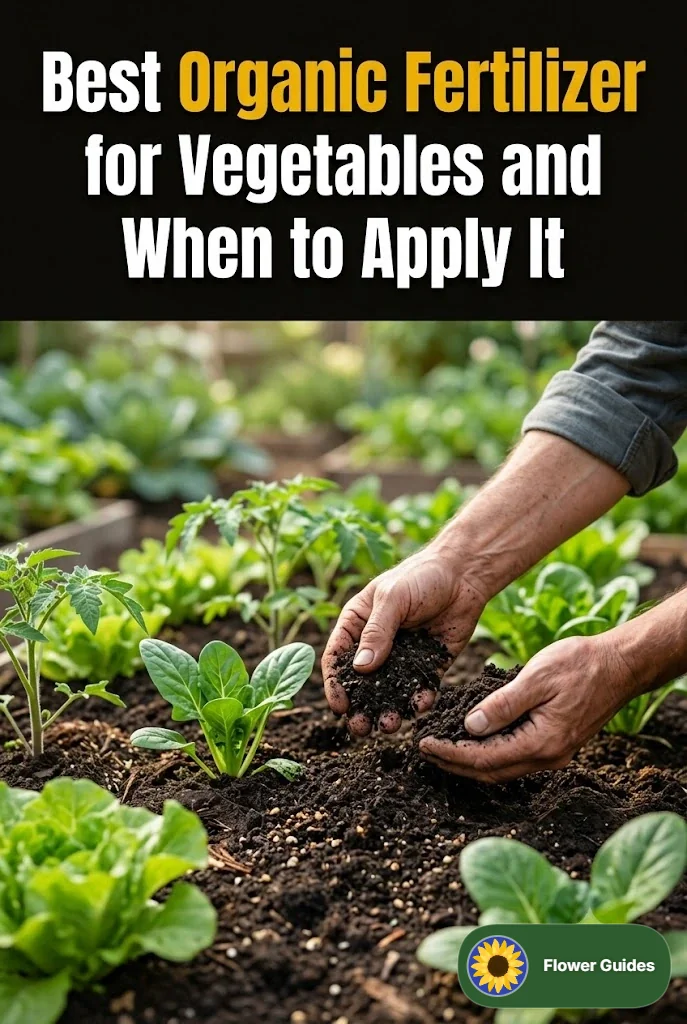
When it comes to nurturing a thriving garden, understanding the differences between various fertilizers is crucial. Two popular options among gardeners are blood meal and bone meal. Each offers unique benefits that cater to specific plant needs. Knowing what each one actually fixes can help you make informed choices, ensuring your plants receive the right nutrients for optimal growth. Let’s dig deeper into the world of these two organic fertilizers, exploring their properties, uses, and how they can enhance your gardening experience.
Quick Answer
Blood meal is a high-nitrogen fertilizer that promotes vigorous leaf growth, ideal for leafy vegetables and grasses. Bone meal, on the other hand, is rich in phosphorus and calcium, making it perfect for root development and flowering plants. Understanding their unique benefits helps in selecting the right amendment for your garden.
Understanding Blood Meal
Blood meal is a dry powder made from animal blood, typically sourced from livestock. It is one of the richest sources of nitrogen available in organic form, containing about 12-15% nitrogen by weight. This high nitrogen content makes it an excellent choice for enhancing leafy growth.
Benefits of Blood Meal
- Promotes Leaf Growth: Ideal for leafy vegetables like spinach, lettuce, and kale.
- Fast-Acting: Blood meal releases nutrients quickly, providing an immediate boost to nitrogen levels in the soil.
- Enhances Green Color: Helps in achieving vibrant green foliage, which is essential for photosynthesis.
How to Use Blood Meal
- Application Rate: Use about 1-2 tablespoons per square foot of garden bed or 1 cup for larger plants.
- Timing: Apply in early spring for best results, especially before planting leafy crops.
- Mixing: Incorporate it into the soil before planting or side-dress during the growing season.
Understanding Bone Meal
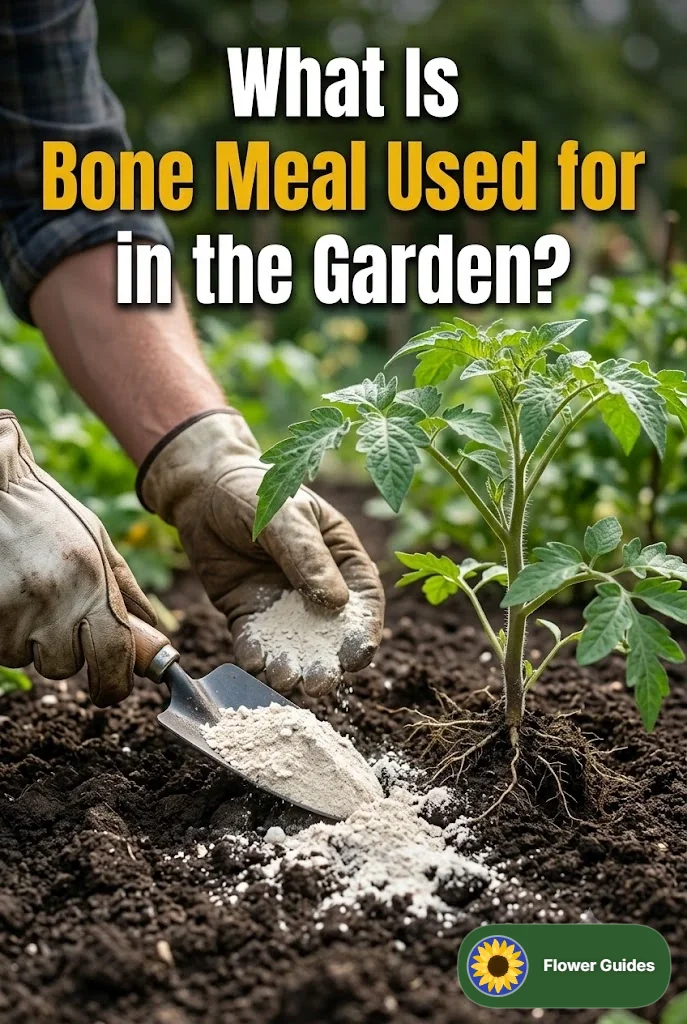
Bone meal is made from crushed animal bones, which are typically a byproduct of meat processing. It contains around 4-6% phosphorus and 15-20% calcium, making it particularly beneficial for root development and flowering. This slow-release fertilizer is essential for plants that thrive on phosphorus for blooming and fruiting.
Benefits of Bone Meal
- Supports Root Development: Ideal for root crops like carrots, potatoes, and bulbs.
- Encourages Flowering: Essential for flowering plants such as tomatoes, peppers, and flowering annuals.
- Improves Soil Structure: Adds calcium, which helps in creating a healthy soil environment.
How to Use Bone Meal
- Application Rate: Use about 1-2 cups per 10 square feet of garden area.
- Timing: Best applied at planting time to ensure nutrients are available when plants need them most.
- Mixing: Work into the soil or plant holes to enhance nutrient uptake.
Blood Meal vs. Bone Meal: Key Differences
Understanding the differences between blood meal and bone meal helps gardeners tailor their fertilization strategies. Here’s a quick comparison:
- Nutrient Composition: Blood Meal: High in nitrogen (12-15%)
- Bone Meal: High in phosphorus (4-6%) and calcium (15-20%)
Primary Use:
- Blood Meal: Best for leafy growth and green vegetables
- Bone Meal: Ideal for root development and flowering
Release Rate:
- Blood Meal: Fast-acting, immediate nutrient availability
- Bone Meal: Slow-release, providing nutrients over time
Pinterest-Style Ideas for Using Blood Meal and Bone Meal
Creative Ways to Incorporate Blood Meal
- Leafy Greens Booster: Mix blood meal into the soil before planting kale or Swiss chard for lush foliage.
- Fast Growth for Seedlings: Sprinkle blood meal around young plants to enhance growth rates.
Innovative Uses for Bone Meal
- Flower Power: Add bone meal to the planting hole of flowering perennials to ensure vibrant blooms.
- Root Vegetable Success: Mix bone meal into the soil for carrots and beets to promote healthy root systems.
Expert Tips for Using Blood Meal and Bone Meal
To maximize the efficacy of these fertilizers, consider the following pro tips:
- Test Your Soil: Before applying any fertilizers, conduct a soil test to determine existing nutrient levels and pH.
- Balance is Key: Avoid over-fertilizing with one type; a balanced approach often yields the best results.
- Observe Plant Needs: Pay attention to plant growth and adjust fertilization accordingly; yellowing leaves may indicate a nitrogen deficiency, while poor flowering may signal a lack of phosphorus.
Common Questions
What plants benefit most from blood meal?
Leafy vegetables, grasses, and plants that require a lot of nitrogen benefit the most from blood meal.
Can bone meal be used for all types of plants?
While it’s great for flowering and root crops, bone meal is less beneficial for nitrogen-loving plants, which may need a different fertilizer.
How often should I apply blood meal and bone meal?
Blood meal can be applied every 4-6 weeks during the growing season, while bone meal is typically used once at planting time.
Can I mix blood meal and bone meal together?
Yes, mixing both can provide a balanced nutrient profile if your plants require both nitrogen and phosphorus.
Conclusion
Understanding the distinct benefits of blood meal and bone meal empowers you to create a flourishing garden tailored to your plants’ needs. By choosing the right fertilizer for the right purpose, you’re setting your garden up for success. Embrace these organic options to improve your soil health and promote robust plant growth. Happy gardening!