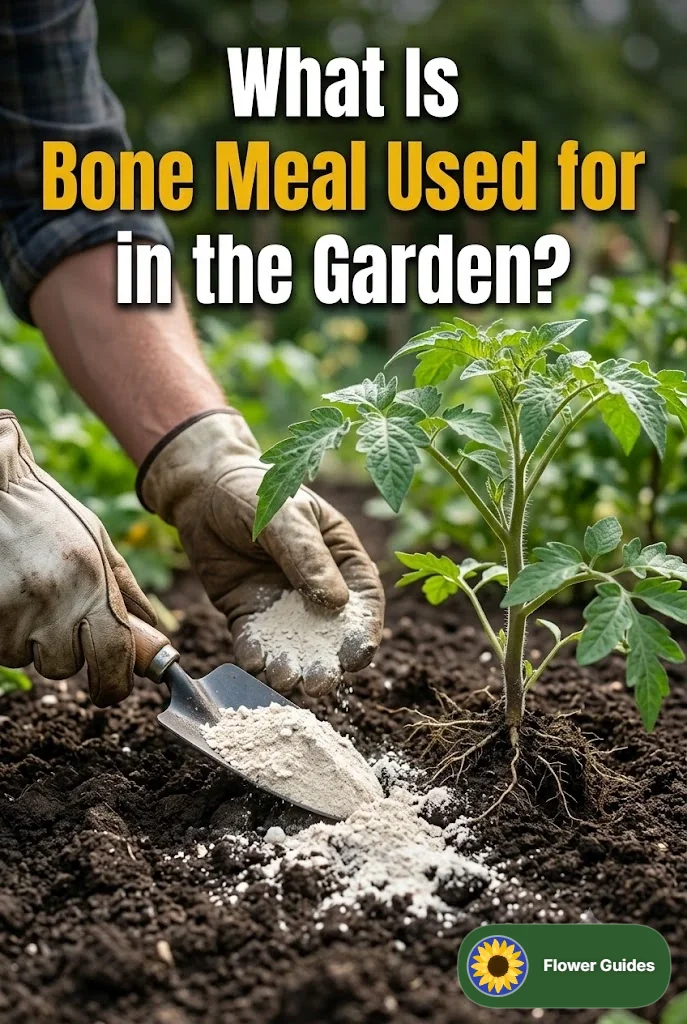
What Is Bone Meal Used for in the Garden?
When it comes to gardening, ensuring your plants receive the right nutrients is crucial for their growth and vitality. One often-overlooked amendment is bone meal. This organic fertilizer is packed with essential nutrients that can significantly benefit your garden. But what exactly is bone meal, and how can you harness its power in your gardening endeavors? Let’s delve into the uses, benefits, and application of bone meal to help your plants thrive.
What is Bone Meal?
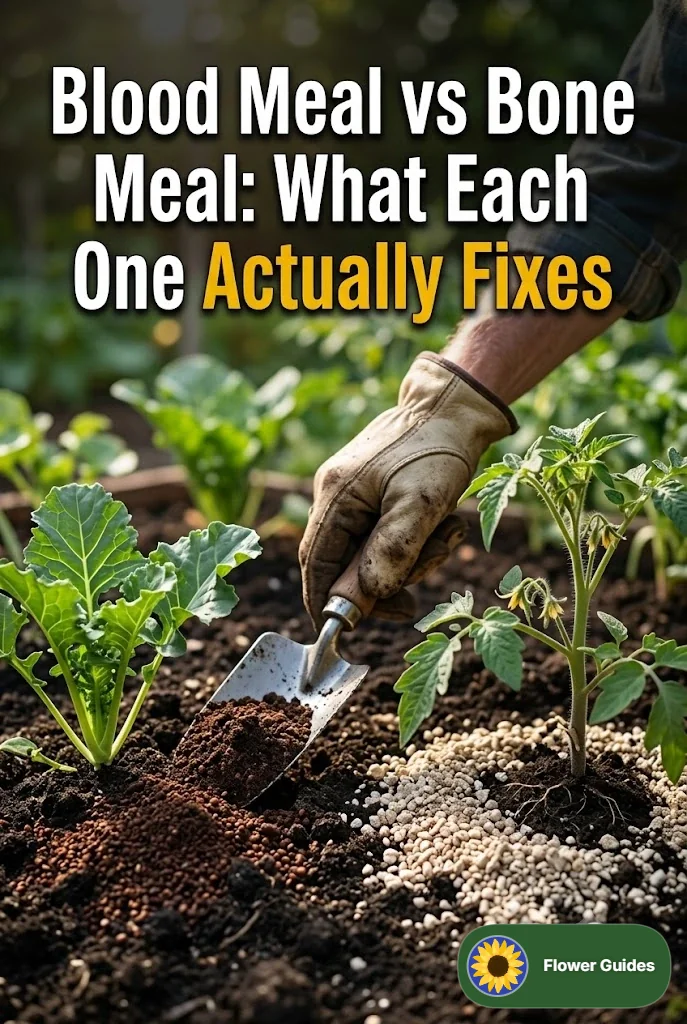
Bone meal is a natural fertilizer made from ground animal bones, typically from cattle or poultry. It is rich in phosphorus, an essential nutrient that promotes strong root development, flowering, and fruiting in plants. Additionally, bone meal contains calcium, which is vital for cell wall structure and helps prevent blossom end rot in crops like tomatoes and peppers.
Benefits of Using Bone Meal in the Garden
Incorporating bone meal into your gardening routine can yield numerous benefits:
- Promotes Root Growth: The high phosphorus content supports robust root systems, enabling plants to absorb water and nutrients more efficiently.
- Enhances Flowering: Bone meal encourages flowering and fruiting, making it ideal for flowering plants and vegetable gardens.
- Improves Soil Structure: The addition of bone meal can improve the overall structure of the soil, enhancing its fertility and drainage capabilities.
- Natural and Organic: As an organic option, bone meal is a great choice for gardeners looking to maintain sustainable practices.
How to Use Bone Meal in Your Garden
Using bone meal effectively requires understanding when and how to apply it. Here’s a step-by-step guide:
1. Soil Testing
Before adding bone meal, it’s wise to test your soil. This will help you determine phosphorus levels and ensure you’re not over-fertilizing. Soil testing kits are readily available at gardening centers or through local extension services.
2. Application Timing
Bone meal is best applied in early spring or fall, aligning with your planting schedule. This timing allows the nutrients to be readily available when plants begin to grow.
3. How to Apply
- For New Plants: Mix 1 to 2 tablespoons of bone meal into the soil at the bottom of the planting hole before placing your plant. This gives the roots direct access to the nutrients.
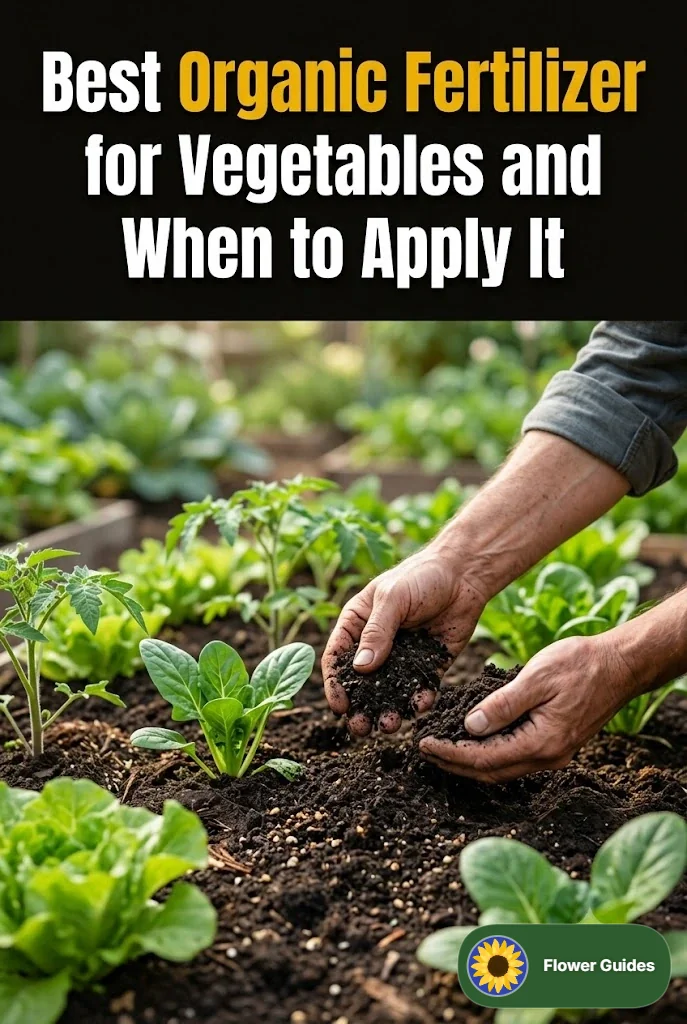
- For Established Plants: Spread a thin layer of bone meal around the base of the plants, then gently work it into the top layer of soil.
- For Vegetable Gardens: Incorporate 2 to 4 pounds of bone meal per 100 square feet of garden space before planting.
Common Mistakes to Avoid
To maximize the benefits of bone meal, steer clear of these common pitfalls:
- Over-Application: Too much bone meal can lead to nutrient imbalances and can harm plants. Always follow recommended application rates.
- Ignoring Soil pH: Bone meal works best in slightly acidic to neutral pH levels (6.0 to 7.0). If your soil is too alkaline, the phosphorus may not be available to plants.
- Not Watering: After applying bone meal, water the area well to help activate the nutrients and allow them to reach the roots.
Pinterest-Style Ideas for Using Bone Meal
Here are some creative and inspiring ways to use bone meal in your garden:
- Flowering Bulbs: Sprinkle bone meal in the planting holes of tulips and daffodils for vibrant, healthy blooms.
- Tomato Care: Mix bone meal into your tomato planting hole to ensure healthy fruit development and prevent blossom end rot.
- Herb Gardens: Enhance the growth of herbs like basil and rosemary by adding bone meal to the soil at planting time.
- Compost Boost: Add bone meal to your compost pile to increase its nutrient value, especially in compost aimed at vegetable gardens.
Expert Tips for Maximizing Bone Meal Benefits
For those looking to get the most out of bone meal, consider these insider tips:
- Combine with Other Amendments: Mix bone meal with other organic fertilizers like fish emulsion or compost for a well-rounded nutrient profile.
- Use in Container Gardens: Container plants can benefit greatly from bone meal, as they often require additional nutrients. Just be cautious with the amounts.
- Store Properly: Keep bone meal in a cool, dry place to maintain its potency. Exposure to moisture can lead to clumping or nutrient loss.
Common Questions About Bone Meal
1. Is bone meal safe for all plants?
Yes, bone meal is safe for most plants, including vegetables, flowers, and shrubs. However, always check specific plant needs, especially for sensitive species.
2. How long does it take for bone meal to work?
Bone meal can take several weeks to break down and become available to plants. Patience is key when using this organic fertilizer.
3. Can I use bone meal in raised beds?
Absolutely! Bone meal is excellent for raised beds, providing essential nutrients to support plant growth throughout the growing season.
Conclusion
Bone meal is a powerhouse in the garden, offering essential nutrients that can transform your plants. By understanding how to use it effectively and avoiding common mistakes, you can ensure your garden flourishes with vibrant blooms and bountiful harvests. So, whether you’re planting new flowers or nurturing established plants, consider adding bone meal to your gardening arsenal for a natural boost in growth. Happy gardening!