How to Make Insecticidal Soap at Home That Actually Works
Gardening can often feel like a battle against pests. You’ve nurtured your plants, and just when they start to thrive, insects appear, munching away at your hard work. But before you reach for harsh chemicals, consider a simpler, natural solution: insecticidal soap. It’s effective, easy to make, and safe for both your plants and the environment. Let’s explore how to create your own insecticidal soap at home that actually works.
What is Insecticidal Soap?
Insecticidal soap is a type of pesticide made from natural plant oils and fats. It works by suffocating soft-bodied insects, such as aphids, spider mites, and whiteflies. The soap disrupts their cell membranes, leading to their demise. What’s great about insecticidal soap is that it’s non-toxic to humans and pets, making it a gardener’s best friend.
Quick Answer
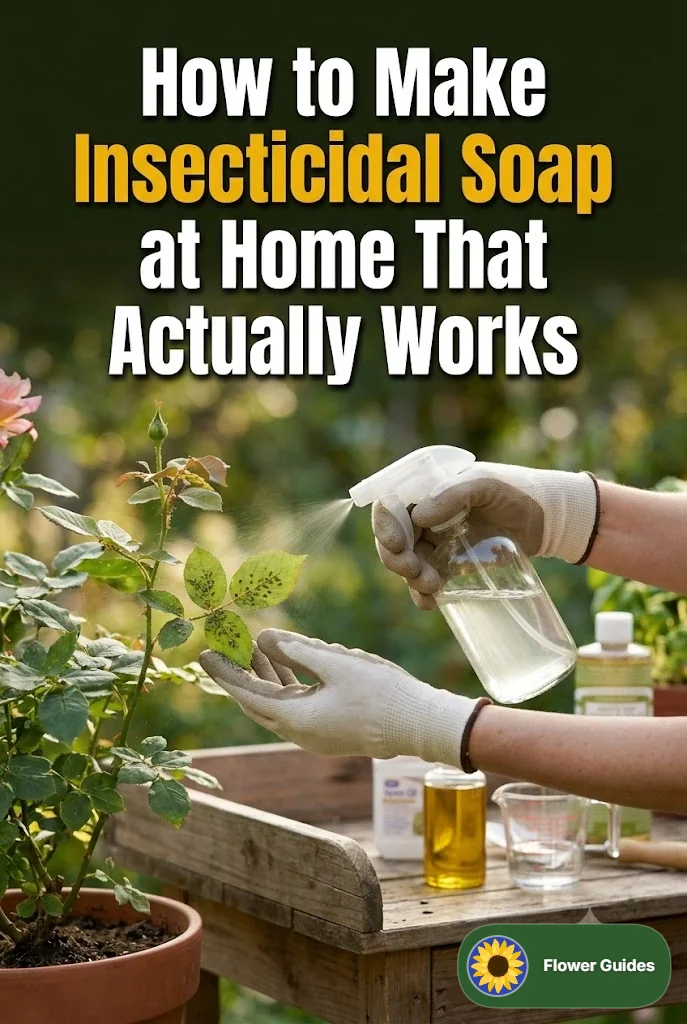
To make effective insecticidal soap at home, mix 1-2 tablespoons of liquid dish soap (free from degreasers and fragrances) with 1 quart of water. Spray directly onto affected plants, ensuring thorough coverage.
Ingredients You’ll Need
- Liquid Soap: Use a pure liquid soap, preferably one without additives or fragrances. Castile soap is a popular choice.
- Water: Tap water is fine, but using distilled water can enhance effectiveness.
- Optional Additives: Some gardeners add a few drops of vegetable oil to help the soap adhere better to the insects.
Step-by-Step Guide to Making Insecticidal Soap
Step 1: Gather Your Ingredients
Start with the right ingredients. You’ll want a clean spray bottle for application, a mixing bowl, and the ingredients listed above. Having everything ready will streamline the process.
Step 2: Mix the Soap and Water
In a mixing bowl, combine 1-2 tablespoons of liquid soap with 1 quart of water. Stir gently to mix without creating too many bubbles. If you’re using vegetable oil, add a teaspoon at this stage.
Step 3: Transfer to a Spray Bottle
Once mixed, carefully pour the solution into a clean spray bottle. A funnel can help prevent spills. Label the bottle clearly to avoid confusion later.
Step 4: Test on a Small Area
Before applying the soap solution to your entire plant, do a patch test. Spray a small portion of the plant and wait 24 hours to see if there’s any adverse reaction.
Step 5: Apply to Affected Plants
If the test area shows no signs of damage, proceed to spray the affected plants. Ensure you cover both the tops and undersides of the leaves, as pests often hide there. Spray in the early morning or late evening to avoid direct sunlight, which can cause leaf burn.
Common Mistakes to Avoid
- Using the Wrong Soap: Avoid soaps with degreasers, fragrances, or additives, as they can harm plants.
- Not Diluting Enough: Always follow the recommended ratios. Too much soap can damage your plants.
- Ignoring Weather Conditions: Avoid applying during windy or rainy conditions, which can wash away the solution or cause it to drift.
Expert Tips for Success
- Frequency of Application: Spray every 5-7 days until pests are gone. Consistency is key for effective control.
- Monitor Plant Health: Keep an eye on your plants for signs of stress after application. Adjust soap concentration if necessary.
- Seasonal Adjustments: Insects are more prevalent in the warmer months. Be proactive and start treatments early in the season.
Pinterest-Style Ideas for Using Insecticidal Soap
- DIY Garden Labels: Create charming labels to identify which plants are treated with insecticidal soap.
- Garden Journal: Track your pest control efforts in a journal, noting which plants respond best to the soap.
- Share Your Success: Post before-and-after photos of your plants on Pinterest to inspire fellow gardeners.
Common Questions
Can I use any type of soap?
No, it’s best to use a pure liquid soap without additives. Dish soaps with degreasers can harm your plants.
How often should I apply insecticidal soap?
Apply every 5-7 days, or as needed until you notice a reduction in pests.
Is it safe for all plants?
While insecticidal soap is generally safe, some sensitive plants may react poorly. Always perform a patch test first.
Can insecticidal soap kill beneficial insects?
Yes, it can affect beneficial insects, so apply it selectively and avoid spraying during flowering when pollinators are active.
Conclusion
Making insecticidal soap at home is not just easy; it’s an effective way to protect your garden from pests while being environmentally friendly. With just a few simple ingredients, you can nurture your plants without harsh chemicals. Remember to monitor your plants and adjust your methods as needed. Happy gardening!