Is It Safe to Eat Vegetables Sprayed With Neem Oil?
As more people turn to organic gardening and natural pest control methods, neem oil has emerged as a popular choice. It’s derived from the seeds of the neem tree and is often praised for its effectiveness against various pests and diseases. However, a common concern among gardeners and consumers alike is whether it’s safe to eat vegetables that have been treated with neem oil. Understanding the safety and proper usage of neem oil is crucial for anyone looking to enjoy healthy, pest-free produce while ensuring food safety.
What is Neem Oil?
Neem oil is a natural pesticide made from the seeds of the neem tree (Azadirachta indica), which is native to the Indian subcontinent. It contains compounds like azadirachtin, which disrupt the lifecycle of pests, making it effective against aphids, spider mites, whiteflies, and more. Additionally, neem oil can help prevent fungal infections, making it a versatile tool in organic gardening.
Is Neem Oil Safe for Vegetables?
When used correctly, neem oil is generally considered safe for use on vegetables. It is classified as a “minimum risk pesticide” by the EPA, which means it poses little risk to human health or the environment when applied according to the label instructions. Here are some points to consider:
1. Active Ingredients
- Natural Composition: Neem oil is derived from natural sources, making it less toxic than many synthetic pesticides.
- Low Toxicity: Studies show that neem oil has low toxicity to humans and animals, and it breaks down quickly in the environment.
2. Timing of Application
- Pre-Harvest Interval: It is essential to follow the recommended pre-harvest interval, which is typically 24 hours to a few days depending on the product. This allows any residues to degrade before consumption.
- Weather Considerations: Apply neem oil during dry conditions to minimize wash-off and maximize effectiveness.
3. Application Method
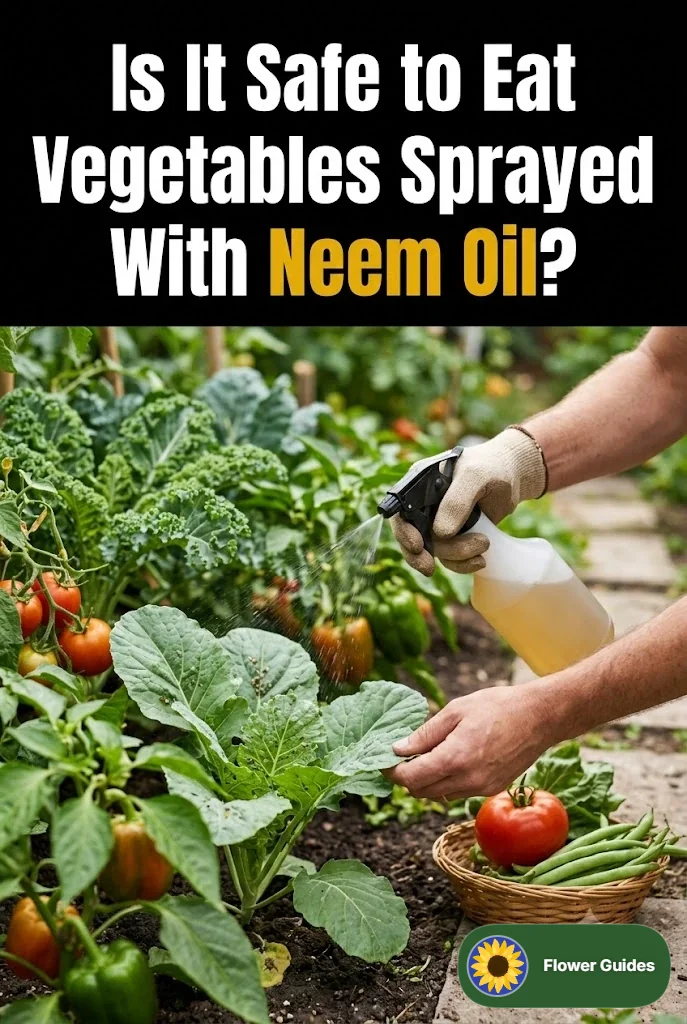
- Foliar Spray: When using neem oil as a foliar spray, ensure even coverage on the leaves and fruits.
- Soil Drench: Neem can also be applied as a soil drench to control root pests.
How to Use Neem Oil Safely
To ensure the safety and effectiveness of neem oil, consider the following steps:
1. Choose Quality Products
Opt for 100% pure neem oil or products that list neem oil as the primary ingredient. Always check for any additional chemicals that may not be safe for edible plants.
2. Dilution is Key
Always dilute neem oil according to the instructions on the label. A common dilution is 1-2 tablespoons of neem oil per gallon of water, which helps prevent leaf burn and ensures even distribution.
3. Test on a Small Area
Before applying neem oil to your entire garden, test it on a small area to check for any adverse reactions from the plants.
4. Harvest Timing
Wait at least 24 hours after application before harvesting vegetables. This allows any residual neem oil to degrade and minimizes any potential taste differences.
Potential Concerns with Neem Oil
While neem oil is generally safe, there are some concerns to keep in mind:
1. Allergic Reactions
Some individuals may have allergic reactions to neem oil. It’s wise to wash vegetables thoroughly before consumption to reduce any risk of irritation.
2. Effects on Beneficial Insects
Neem oil can also affect beneficial insects like bees and ladybugs. To minimize impact, apply neem oil in the evening when these insects are less active.
3. Taste Changes
In some cases, neem oil may impart a slight taste when vegetables are consumed shortly after application. Proper waiting times help mitigate this issue.
Expert Tips for Neem Oil Use
- Rotate Treatments: To maintain pest control effectiveness, consider rotating neem oil with other organic pest control methods.
- Use in Combination: Neem oil can be combined with other organic products, like insecticidal soaps, to enhance pest control.
- Monitor Plant Health: Keep an eye on your plants for signs of stress or pests and adjust your treatment accordingly.
Common Questions About Neem Oil Safety
1. Can I eat vegetables sprayed with neem oil immediately after application?
No, it’s best to wait at least 24 hours after applying neem oil before harvesting and consuming vegetables to ensure safety.
2. Is neem oil safe for all types of vegetables?
Neem oil is safe for most vegetables, but always check specific recommendations for sensitive plants like cucumbers and tomatoes.
3. Does neem oil leave a residue on vegetables?
While neem oil can leave a residue, washing vegetables thoroughly before eating can help eliminate any remaining oil.
4. How often can I apply neem oil to my vegetable garden?
Generally, neem oil can be applied every 7-14 days as needed, but always follow the label instructions for specific guidance.
Conclusion
Using neem oil on your vegetables can be a safe and effective way to manage pests while maintaining organic practices. By following the recommended guidelines for application and waiting periods, you can enjoy healthy, homegrown produce without the worry of harmful residues. Embracing natural pest control not only benefits your plants but also promotes a healthier ecosystem in your garden. Happy gardening!