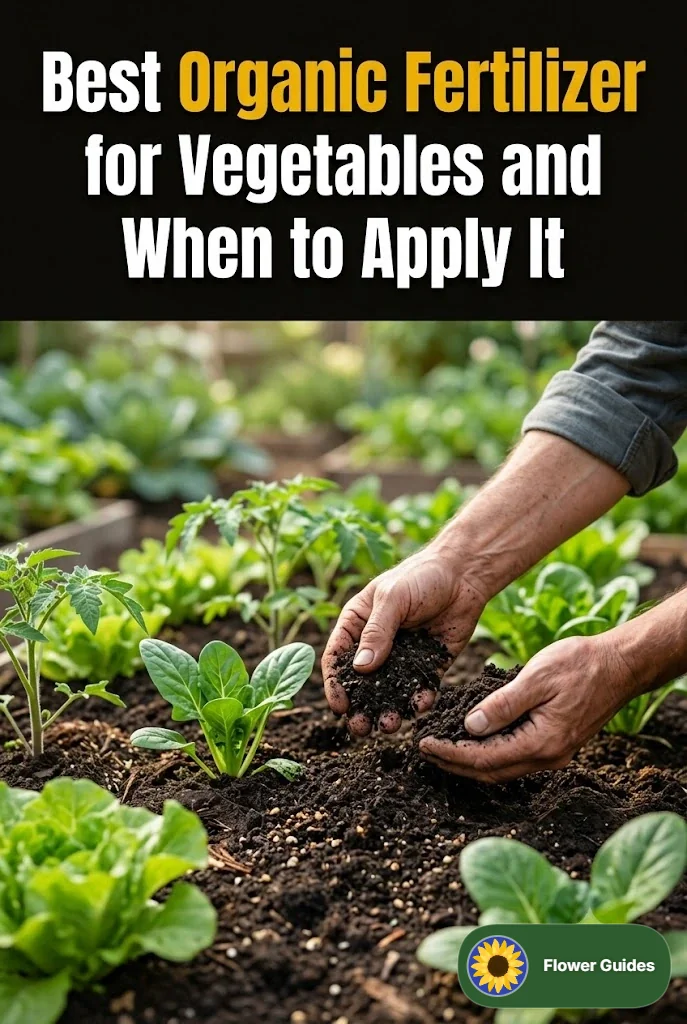
Best Organic Fertilizer for Vegetables and When to Apply It
Growing your own vegetables is incredibly rewarding, but to achieve thriving plants, understanding the right fertilization is key. Organic fertilizers not only nourish your crops but also improve soil health and promote sustainable gardening practices. However, with so many options available, choosing the best organic fertilizer and knowing when to apply it can be overwhelming. Let’s explore the top organic fertilizers for vegetables and the best times to apply them for maximum growth and yield.
What is Organic Fertilizer?
Organic fertilizer is derived from natural sources such as plants, animal manure, or compost. Unlike synthetic fertilizers, organic options release nutrients slowly, improving soil structure and promoting microbial activity. This slow release ensures that your vegetables receive a steady supply of nutrients over time, reducing the risk of nutrient leaching and environmental harm.
Best Organic Fertilizers for Vegetables
- Compost: This is one of the best organic fertilizers you can use. It’s rich in nutrients and improves soil structure. You can make your own compost from kitchen scraps and yard waste.
- Bone Meal: A great source of phosphorus, bone meal promotes root development and flowering. It’s particularly beneficial when planting bulbs or transplants.
- Fish Emulsion: This liquid fertilizer is high in nitrogen and is quickly absorbed by plants. It’s ideal for leafy greens and should be applied every few weeks during the growing season.
- Kelp Meal: Kelp is rich in trace minerals and growth hormones, making it excellent for overall plant health. It can be applied as a top dressing or mixed into the soil before planting.
- Worm Castings: These nutrient-rich castings enhance soil fertility and improve plant growth. They can be used directly in the soil or as a tea for quick absorption.
- Chicken Manure: High in nitrogen, chicken manure is a powerful fertilizer that should be composted before use to avoid burning plants. It’s excellent for fast-growing vegetables.
- Alfalfa Meal: This is a slower-release fertilizer high in nitrogen and can be used to improve soil health. It’s especially beneficial for legumes.
When to Apply Organic Fertilizer
Timing is crucial when it comes to applying organic fertilizers. Here’s a guide to help you determine the best times:
1. Pre-Planting
Before planting your vegetables, it’s wise to enrich the soil with organic fertilizers. This gives the nutrients time to integrate into the soil, providing a strong foundation for your plants.
- Mix compost and well-rotted manure into the soil several weeks before planting.
- Apply bone meal or alfalfa meal to enhance phosphorus levels and soil health.
2. During Planting
For transplants or seeds, consider applying fertilizers that will promote root development and initial growth.
- Use fish emulsion as a starter solution when planting seedlings.
- Apply a light layer of worm castings in the planting hole for added nutrients.
3. Mid-Season
Your vegetables will likely need additional feeding as they grow. This is the perfect time to apply organic fertilizers to support their development.
- Top-dress with compost or worm castings around the plants to provide ongoing nutrients.
- Use fish emulsion or kelp meal every 4-6 weeks for leafy greens and fruiting plants.
4. Before Harvest
In the weeks leading up to harvest, it’s generally best to avoid heavy fertilization, especially with nitrogen-rich products, as this can affect flavor and quality.
- Use a balanced organic fertilizer sparingly if needed to ensure plants remain healthy.
- Cease fertilization about 2-4 weeks before harvesting to allow the plants to focus on ripening.
Common Mistakes to Avoid
- Over-Fertilization: Applying too much fertilizer can harm plants and lead to nutrient runoff. Always follow recommended application rates.
- Ignoring Soil Tests: Conduct soil tests to understand nutrient levels. This can help you choose the right fertilizers and avoid unnecessary applications.
- Neglecting Watering: Fertilizers require moisture to activate. Ensure your plants are adequately watered after application.
Expert Tips for Effective Fertilization
- Rotate your crops annually to prevent nutrient depletion and soil-borne diseases.
- Consider companion planting to maximize nutrient use and support plant health.
- Use mulch to retain moisture and improve soil quality while reducing the need for fertilizers.
Common Questions About Organic Fertilizers
What is the difference between organic and synthetic fertilizers?
Organic fertilizers are derived from natural sources and improve soil health, while synthetic fertilizers are chemically manufactured and can lead to soil degradation over time.
How often should I fertilize my vegetable garden?
Generally, you should fertilize every 4-6 weeks during the growing season, but always check your plants for specific needs.
Can I use organic fertilizers on my herbs?
Absolutely! Organic fertilizers are safe and beneficial for herbs, helping enhance their flavor and aroma.
Do organic fertilizers work as quickly as synthetic ones?
Organic fertilizers release nutrients slowly, meaning they may not provide an instant boost but promote long-term soil health and plant growth.
Conclusion
Choosing the best organic fertilizer for your vegetables and knowing when to apply it can significantly improve your gardening success. By enriching your soil before planting, providing ongoing nutrients during growth, and avoiding common pitfalls, you can enjoy a bountiful, healthy harvest. Embrace the benefits of organic gardening, and watch your vegetable garden thrive!