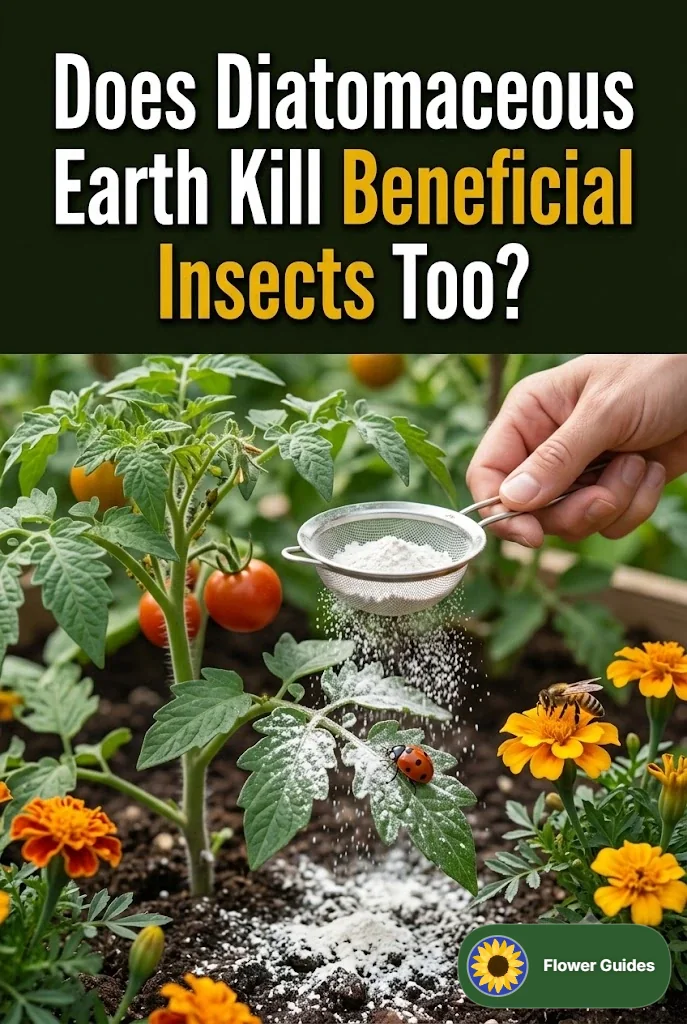
Does Diatomaceous Earth Kill Beneficial Insects Too?
Gardening can sometimes feel like a battle between good and bad insects. You want to protect your plants from pests, but you also want to preserve the beneficial insects that help your garden thrive. One popular solution many gardeners turn to is diatomaceous earth (DE). While it’s known for its effectiveness against pests, the question arises: does diatomaceous earth kill beneficial insects too? Let’s dive into this topic to understand how DE works, its impact on beneficial insects, and how to use it wisely in your garden.
Quick Answer
Diatomaceous earth can kill beneficial insects if they come into direct contact with it. However, when used correctly and selectively, gardeners can minimize its impact on beneficial species while controlling pests effectively.
Understanding Diatomaceous Earth
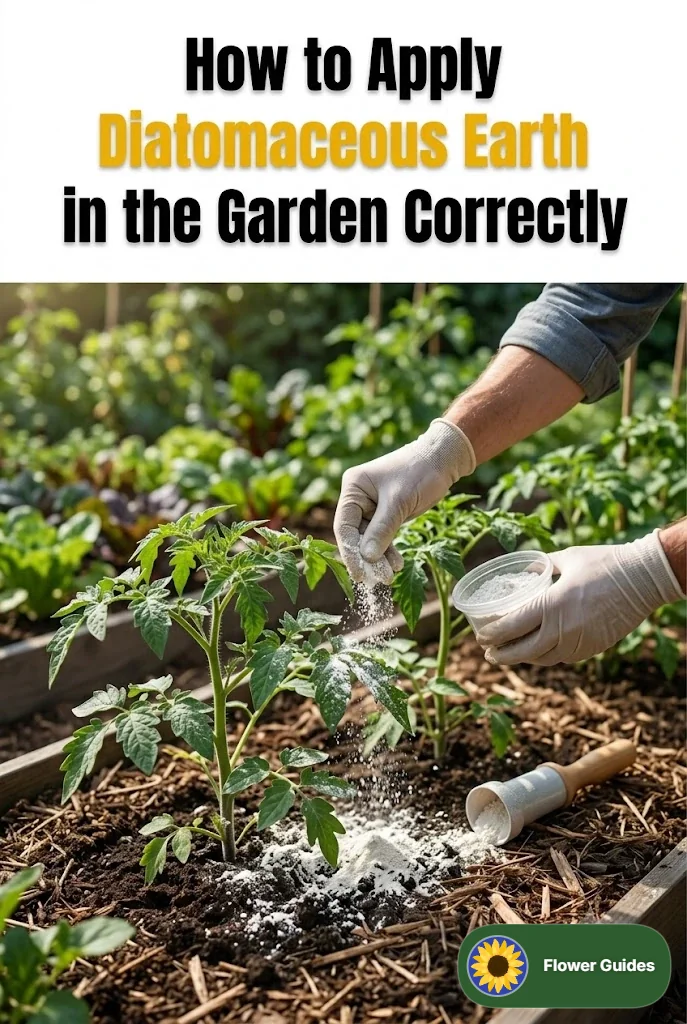
Diatomaceous earth is a natural powder made from the fossilized remains of tiny, aquatic organisms called diatoms. This substance consists mainly of silica, which is harmless to humans and pets but deadly to insects with exoskeletons. When these insects come into contact with DE, it adheres to their bodies, causing dehydration and eventually death.
How Diatomaceous Earth Affects Insects
To understand the implications for beneficial insects, it’s essential to know how DE operates:
- Mechanism of Action: DE is abrasive and can scratch the protective waxy coating of an insect’s exoskeleton. This leads to moisture loss, ultimately causing the insect to die from dehydration.
- Contact Required: For DE to be effective, insects must come into direct contact with the powder. This means that targeted application is crucial.
The Impact on Beneficial Insects
Beneficial insects play vital roles in your garden, from pollination to pest control. Common beneficial insects include ladybugs, bees, and predatory wasps. Here’s how DE can affect them:
Direct Impact
If beneficial insects are exposed to diatomaceous earth, they can suffer the same fate as harmful pests. For instance:
- Ladybugs: These natural pest controllers can be affected if they walk through DE while hunting aphids.
- Bees: While bees primarily fly and may avoid ground applications, if they land on treated surfaces, they can be at risk.
Indirect Impact
There can also be indirect consequences of using diatomaceous earth:
- Habitat Disruption: If DE is spread widely, it can alter the habitat of beneficial insects, making it less hospitable for them.
- Food Source Reduction: Killing off too many pests can eliminate food sources for beneficial insects, disrupting the balance of your garden’s ecosystem.
Using Diatomaceous Earth Wisely
To protect beneficial insects while managing pests, follow these practical tips:
Application Techniques
- Targeted Application: Apply DE only to areas where pests are present. Avoid widespread application over the entire garden.
- Timing: Apply DE in the early morning or late evening when beneficial insects are less active.
- Wet Conditions: Avoid using DE in wet conditions, as moisture can render it ineffective.
Alternative Methods
Consider integrating other pest control methods that are less harmful to beneficial insects:
- Companion Planting: Use plants that repel pests while attracting beneficial insects.
- Natural Predators: Introduce or encourage natural predators like birds or beneficial insects to manage pest populations.
PINTEREST-STYLE IDEAS
- DIY Beneficial Insect Hotel: Create a cozy home for ladybugs and bees to thrive in your garden.
- Herb Garden for Pollinators: Plant a variety of herbs that attract beneficial insects while keeping pests at bay.
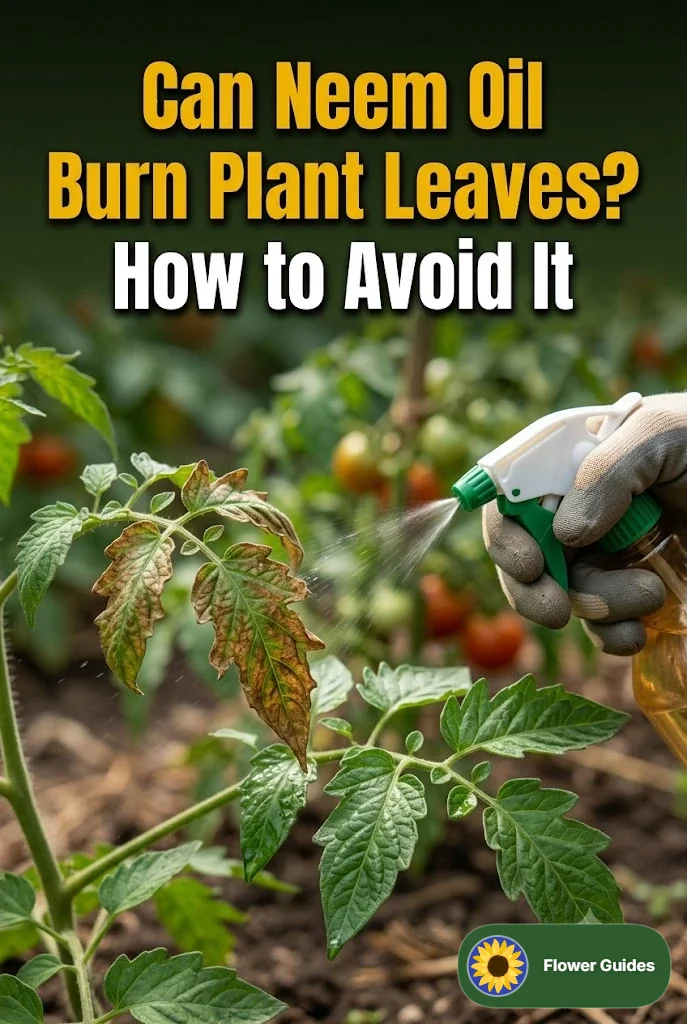
- Natural Pest Deterrents: Use garlic spray or neem oil as alternatives to DE.
Expert Tips
Here are some insider tips to maximize the benefits of your gardening efforts while minimizing risks to beneficial insects:
- Monitor Pest Levels: Regularly check for pest populations before applying DE. This can help you assess whether intervention is necessary.
- Use Food-Grade DE: Always opt for food-grade diatomaceous earth, which is safe for the environment and less likely to harm beneficial insects.
- Rotate Pest Control Methods: Don’t rely solely on DE. Rotate your pest control methods to reduce the risk of harming beneficial insects.
Common Questions
Is diatomaceous earth safe for pets and humans?
Food-grade diatomaceous earth is considered safe for pets and humans. However, avoid inhaling the dust, as it can irritate the lungs.
Does diatomaceous earth expire?
No, diatomaceous earth does not expire. It can remain effective as long as it is kept dry and free from contaminants.
Can diatomaceous earth be used in the garden during flowering?
Yes, but be cautious. Apply it selectively to avoid harming pollinators like bees. Consider applying it after flowering to protect beneficial insects.
Conclusion
While diatomaceous earth can be an effective tool in your pest control arsenal, it’s crucial to use it judiciously. By understanding how it affects beneficial insects and employing targeted application strategies, you can protect your garden’s ecosystem while keeping unwanted pests at bay. Remember, a balanced garden thrives best when both beneficial and harmful insects are managed with care.