Why Won’t My Peonies Bloom? The Planting Depth Culprit
Peonies are among the most beloved flowers in gardens, known for their lush blooms and delightful fragrance. However, it’s disheartening when these beauties fail to bloom, leaving gardeners puzzled and frustrated. A common but often overlooked reason for this issue lies in the planting depth of the peony roots. Understanding the significance of proper planting depth can make all the difference in achieving a vibrant peony display. Let’s delve deeper into this topic and uncover the secrets to ensuring your peonies thrive.
Understanding Peony Planting Depth
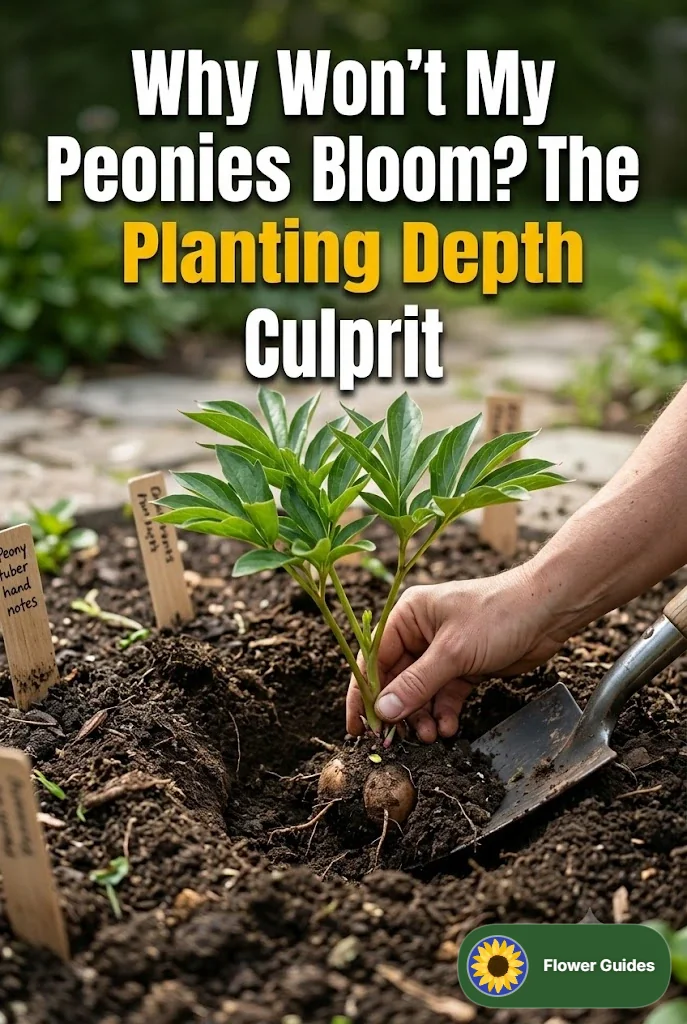
The success of your peony plants largely hinges on how deep you plant them. Peonies can be finicky when it comes to their roots, which can lead to a lack of blooms if not planted correctly. The optimal planting depth for peony roots is about 1 to 2 inches below the soil surface. This depth allows the eyes of the root to receive adequate sunlight and warmth, which are crucial for blooming.
Why Depth Matters
Planting too deep can prevent the peony from blooming, while planting too shallow may expose the roots to elements that can hinder their growth. Here’s why the right depth is so critical:
- Sunlight Exposure: Peony eyes need sunlight to stimulate growth. If they are buried too deep, they won’t receive enough light.
- Soil Temperature: Roots planted too deep may struggle to warm up in spring, delaying blooming.
- Water Drainage: Proper depth ensures that water drains well and does not create a soggy environment that can rot the roots.
Steps for Planting Peonies Correctly
To ensure your peonies thrive, follow these step-by-step guidelines for proper planting:
- Choose the Right Location: Pick a sunny spot in your garden. Peonies flourish best in areas that receive at least 6 hours of sunlight daily.
- Prepare the Soil: Amend the soil with organic matter like compost to enhance fertility and drainage.
- Dig the Hole: Create a hole that is wide enough to accommodate the root system without crowding. Aim for a depth where the eyes are 1 to 2 inches below the surface.
- Plant the Roots: Carefully place the peony root in the hole. Ensure the eyes face upward and cover them lightly with soil.
- Water Thoroughly: After planting, water the area well to help settle the soil around the roots.
Common Mistakes to Avoid
Even seasoned gardeners can make mistakes when planting peonies. Here are some common pitfalls:
- Ignoring Soil Quality: Peonies thrive in well-drained, fertile soil. Poor soil can hinder their growth.
- Overcrowding: Give your peonies enough space. They need room to grow and bloom without competition.
- Planting at the Wrong Time: Early fall or spring is the best time to plant peonies. Avoid planting during extreme temperatures.
Pinterest-Style Ideas for Peony Care
If you’re looking for inspiration on how to enhance your peony garden, consider these creative ideas:
- Color Combinations: Pair peonies with contrasting flowers like delphiniums for a stunning visual impact.
- Cut Flower Arrangements: Bring the beauty indoors by cutting peonies and pairing them with greenery for a lush bouquet.
- Seasonal Themes: Use peonies in seasonal displays, such as combining them with spring bulbs or fall foliage.
- Garden Borders: Plant peonies along pathways or borders to create a stunning visual pathway.
Expert Tips for Thriving Peonies
Here are some insider tips to get the most out of your peony plants:
- Mulch Wisely: Apply a layer of mulch around your peonies to help retain moisture and regulate soil temperature.
- Monitor Watering: While peonies like moisture, be cautious not to overwater. Ensure the soil is well-drained.
- Fertilize Sparingly: Use a balanced fertilizer in early spring, but avoid over-fertilization, which can lead to lush foliage at the expense of blooms.
Common Questions About Peony Blooming
Why aren't my peonies blooming after a few years?
Peonies typically take a few years to establish and may not bloom until their roots are fully developed. Ensure they are planted at the correct depth and are getting enough sunlight and nutrients.
Can I move my peonies if they aren't blooming?
Yes, you can move peonies if they aren’t thriving. Make sure to replant them at the right depth in a new location that meets their light and soil requirements.
How much water do peonies need?
Peonies prefer consistent moisture, particularly during dry spells. Water them deeply but infrequently to encourage deep root growth.
Conclusion
Understanding the importance of planting depth is crucial for ensuring your peonies bloom beautifully. By following the right planting techniques and avoiding common mistakes, you can create a flourishing garden filled with these stunning flowers. Take the time to care for your peonies, and soon you’ll be rewarded with a spectacular display that brightens your outdoor space.