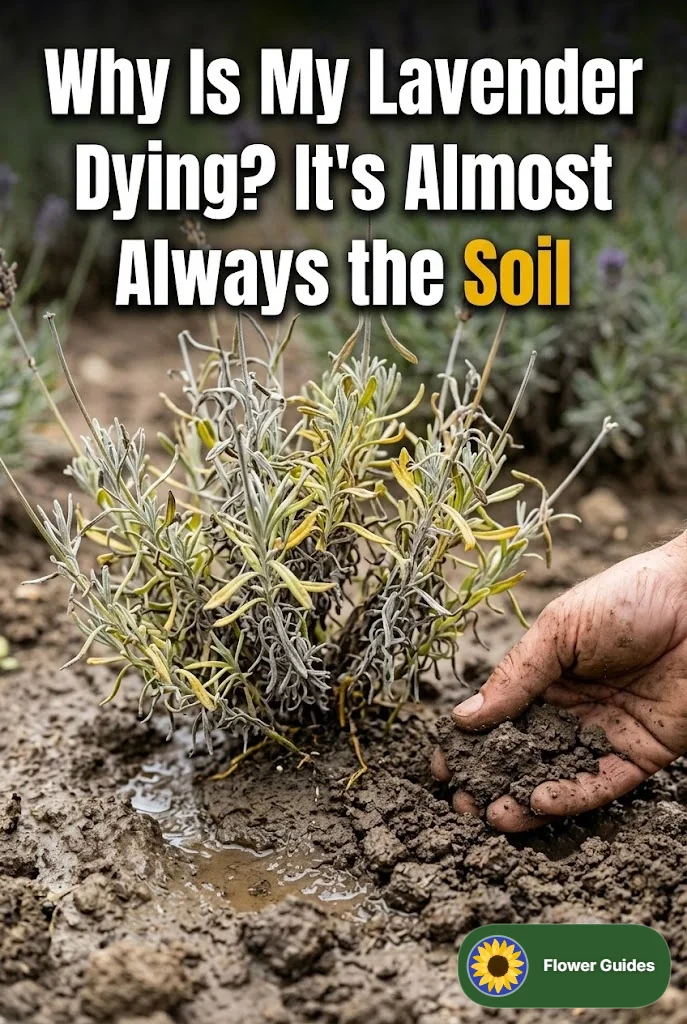
Why Is My Lavender Dying? It’s Almost Always the Soil
If you’ve noticed your beloved lavender plants wilting and losing their vibrant color, you’re not alone. Lavender is a resilient herb that thrives in sunny, well-drained conditions, but it’s surprisingly sensitive to soil quality. The soil plays a crucial role in the health of lavender, and understanding its needs can save your plants from an untimely demise. Let’s explore the reasons why your lavender might be struggling, focusing specifically on soil-related issues.
Quick Answer
Lavender often dies due to poor soil conditions, including inadequate drainage, nutrient imbalance, or improper pH levels. Ensuring your lavender is planted in well-drained, sandy soil with a slightly alkaline pH can significantly improve its health and longevity.
Understanding Lavender’s Soil Needs
Lavender (Lavandula) is native to the Mediterranean region, which influences its soil preferences. Here’s what you need to know:
1. Well-Drained Soil
Lavender doesn’t like “wet feet.” It requires soil that allows excess water to drain away quickly. If the soil retains too much moisture, it can lead to root rot, which is often fatal.
2. Sandy or Rocky Texture
Lavender thrives in sandy, rocky, or gravelly soils. These textures promote excellent drainage and air circulation, which are crucial for healthy root development.
3. Slightly Alkaline pH
Optimal pH for lavender is between 6.5 and 7.5. If your soil is too acidic, it can hinder lavender’s growth and vitality. Testing your soil’s pH can help you make necessary adjustments.
Common Soil-Related Problems
Here are some common soil-related issues that might be causing your lavender to die:
1. Poor Drainage
- Symptoms: Yellowing leaves, wilting, and root rot.
- Solution: Amend your soil with sand, gravel, or perlite to improve drainage. Raised beds can also help.
2. Compacted Soil
- Symptoms: Stunted growth and poor air circulation.
- Solution: Aerate the soil around your lavender plants. Adding organic matter can help break up compacted soil.
3. Nutrient Imbalance
- Symptoms: Weak growth, pale leaves, and poor flowering.
- Solution: Conduct a soil test to determine nutrient levels. If necessary, add organic fertilizers or compost.
4. Improper pH Levels
- Symptoms: Discolored foliage and reduced flowering.
- Solution: If your soil is too acidic, consider adding lime to raise the pH. For overly alkaline soil, sulfur can help lower it.
Identifying the Right Soil Type for Lavender
To create an ideal environment for your lavender, you can mix the following components:
- 1 part garden soil
- 1 part sand or perlite
- 1 part compost
This mix provides the right balance of nutrients, drainage, and aeration necessary for lavender’s growth.
Pinterest-Style Ideas for Lavender Care
Looking for ways to keep your lavender thriving? Here are some inspiring ideas:
- Lavender Rock Garden: Create a stunning rock garden with lavender as the centerpiece, using stones to enhance drainage.
- Herb Spiral: Design a vertical herb spiral that allows for different soil types, perfect for lavender’s needs.
- Container Gardening: Plant lavender in pots with drainage holes to control soil conditions easily.
- Lavender Pathway: Line your garden paths with lavender for a fragrant welcome and to utilize well-drained pathways.
Expert Tips for Healthy Lavender
To ensure your lavender remains healthy and flourishing, consider these expert tips:
- Watering Wisely: Water deeply but infrequently. Allow the soil to dry out between watering sessions.
- Pruning: Regularly prune your lavender to promote bushy growth and prevent woody stems.
- Sun Exposure: Ensure your lavender gets at least six hours of direct sunlight daily.
- Mulching: Use gravel or stones as mulch to retain moisture while preventing soil compaction.
Common Questions About Lavender Care
1. How often should I water my lavender?
Water your lavender only when the top inch of soil is dry. In the growing season, this may be weekly, but adjust based on rainfall.
2. Can I grow lavender in containers?
Yes! Just ensure the pot has drainage holes and use a well-draining soil mix.
3. What should I do if my lavender is turning brown?
Browning leaves may indicate overwatering or poor soil drainage. Check the soil moisture and adjust your watering schedule.
4. How can I improve soil drainage for lavender?
Amend the soil with sand or perlite, and consider planting in raised beds or pots to enhance drainage.
5. Is it too late to save my dying lavender?
It depends on the extent of the damage. Assess the roots and soil. If they appear healthy, you may still be able to revive your plant.
Conclusion
Understanding the role of soil in lavender care can transform your gardening experience. By addressing soil drainage, texture, and pH levels, you can create an ideal environment for your lavender to thrive. With a little attention and care, your lavender can flourish, filling your garden with its delightful fragrance and vibrant blooms. So, dig in, and let your lavender dreams blossom!