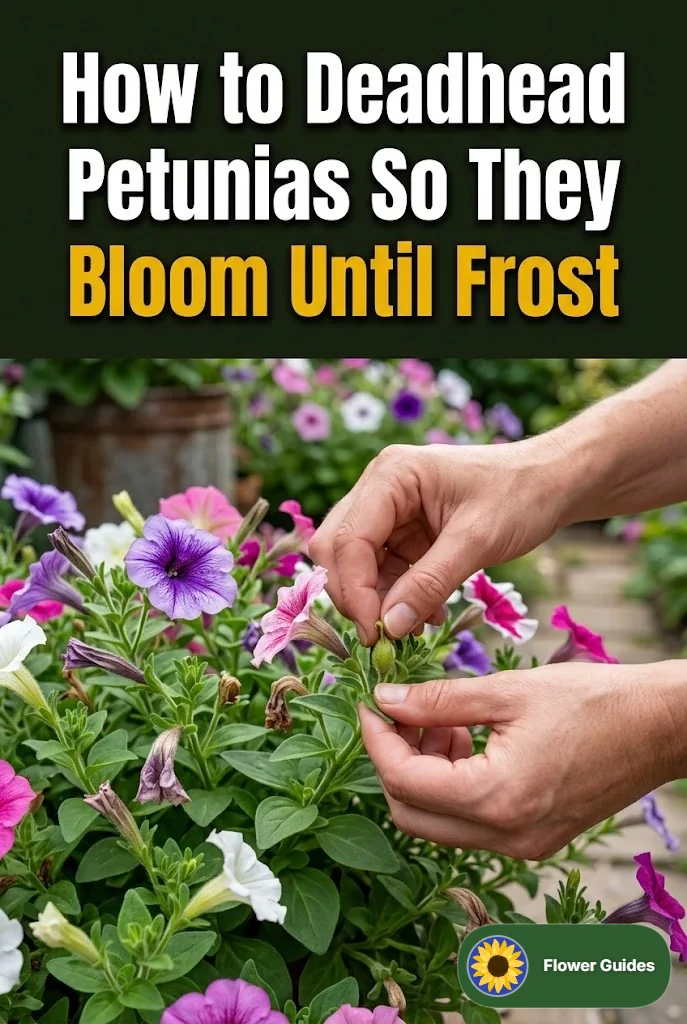
How to Deadhead Petunias So They Bloom Until Frost
Petunias are a gardener’s delight, known for their vibrant colors and ability to bloom profusely throughout the growing season. However, to ensure that these lovely flowers continue to thrive until the first frost, proper maintenance is essential. One of the most effective practices for prolonging the blooming period of petunias is deadheading. This simple task not only keeps your plants looking tidy but also encourages more blooms. Let’s dive into the best practices for deadheading petunias so you can enjoy their beauty for as long as possible.
What is Deadheading?
Deadheading is the process of removing spent flowers from a plant. By doing so, you prevent the plant from diverting energy into seed production, allowing it to focus on producing new blooms. While it may seem like a small task, it can have a significant impact on the overall health and longevity of your petunias.
Quick Answer
To deadhead petunias, simply pinch or cut off the wilted flowers just above the first set of leaves. This encourages new growth and prolongs blooming until frost. Regular deadheading every few weeks is recommended for the best results.
Why Deadheading is Important
Understanding the benefits of deadheading can motivate you to incorporate it into your regular gardening routine. Here are some key reasons why deadheading petunias is crucial:
- Encourages More Blooms: By removing dead flowers, you signal the plant to produce more buds.
- Enhances Aesthetics: Keeping your petunias looking fresh and vibrant boosts your garden’s overall appeal.
- Prevents Disease: Removing spent flowers can help reduce the risk of fungal infections and pests that thrive in decaying matter.
When to Deadhead Petunias
Timing is everything when it comes to deadheading. Here are some guidelines to help you determine the best times to deadhead your petunias:
- Regularly Check Your Plants: Inspect your petunias at least once a week during the growing season.
- After Blooming: Deadhead flowers as soon as they begin to wilt and lose their vibrant color.
- Before Watering: It’s a good practice to deadhead before watering your plants. This minimizes stress and allows the plant to absorb nutrients effectively.
How to Deadhead Petunias: Step-by-Step Guide
Deadheading petunias is a straightforward process. Follow these steps to ensure you do it correctly:
1. Gather Your Tools
While deadheading can be done with your fingers, having the right tools can make the process easier:
- Pruning Shears: These are useful for cutting tougher stems.
- Garden Gloves: Protect your hands from any prickly plants or dirt.
2. Identify Spent Flowers
Look for flowers that have faded or started to wilt. These will be your targets for deadheading.
3. Pinch or Cut Off the Flowers
You can choose to either pinch the flowers off with your fingers or use pruning shears. Here’s how:
- Pinching: Pinch the stem just above the first set of leaves. This method is quick and effective.
- Cutting: If you prefer precision, use pruning shears to cut the stem, making sure to leave a few leaves intact for continued growth.
4. Dispose of the Cuttings
To prevent disease, dispose of spent flowers properly. Avoid leaving them on the soil or composting them if they show signs of disease.
5. Water and Fertilize
After deadheading, give your petunias a good drink of water and consider applying a balanced fertilizer. This encourages new growth and blooms.
Pinterest-Style Ideas for Displaying Petunias
Want to make your petunias stand out in your garden or on your patio? Here are some creative ideas for showcasing these beautiful blooms:
- Hanging Baskets: Create a cascading effect by planting petunias in hanging baskets. Mix different colors for a vibrant display.
- Container Gardens: Combine petunias with other annuals or perennials in a container for a stunning focal point.
- Window Boxes: Line your windowsills with petunias for a cheerful and colorful view from inside.
- Vertical Gardens: Use vertical garden systems to display petunias in a space-saving manner, perfect for urban gardens.
Expert Tips for Prolonged Blooming
To get the most out of your petunias, consider these insider tips:
- Choose the Right Variety: Some petunia varieties, like Wave or Surfinia, tend to bloom longer and are more forgiving when it comes to maintenance.
- Monitor Watering: Ensure even watering; petunias prefer consistently moist soil, but avoid waterlogging.
- Fertilize Regularly: Use a high-quality liquid fertilizer every two weeks during the peak growing season to promote lush growth.
Common Questions About Deadheading Petunias
1. How often should I deadhead my petunias?
Deadheading should be done every 1-2 weeks, or whenever you notice spent flowers. Regular attention will keep your plants blooming longer.
2. Can I deadhead petunias in the fall?
Yes! Continue deadheading until the first frost. This will help your petunias maximize their blooming potential before winter.
3. Is it necessary to deadhead all petunias?
While not all petunias require deadheading, doing so will enhance their appearance and encourage more blooms.
4. What happens if I don't deadhead my petunias?
If you neglect to deadhead, your petunias may stop blooming as they divert energy to producing seeds instead of new flowers.
5. Can I use the deadheaded flowers for compost?
It’s best to avoid composting deadheaded flowers if they are diseased. Otherwise, healthy cuttings can be added to your compost bin.
Conclusion
Deadheading petunias is a small task that can yield big rewards in terms of bloom production and overall garden aesthetics. By following the steps outlined above and incorporating some expert tips, you can enjoy a stunning display of petunias that lasts until frost. So grab your shears, head to the garden, and give those blooms the attention they deserve!