Why Are Hibiscus Buds Falling Off Before They Open?
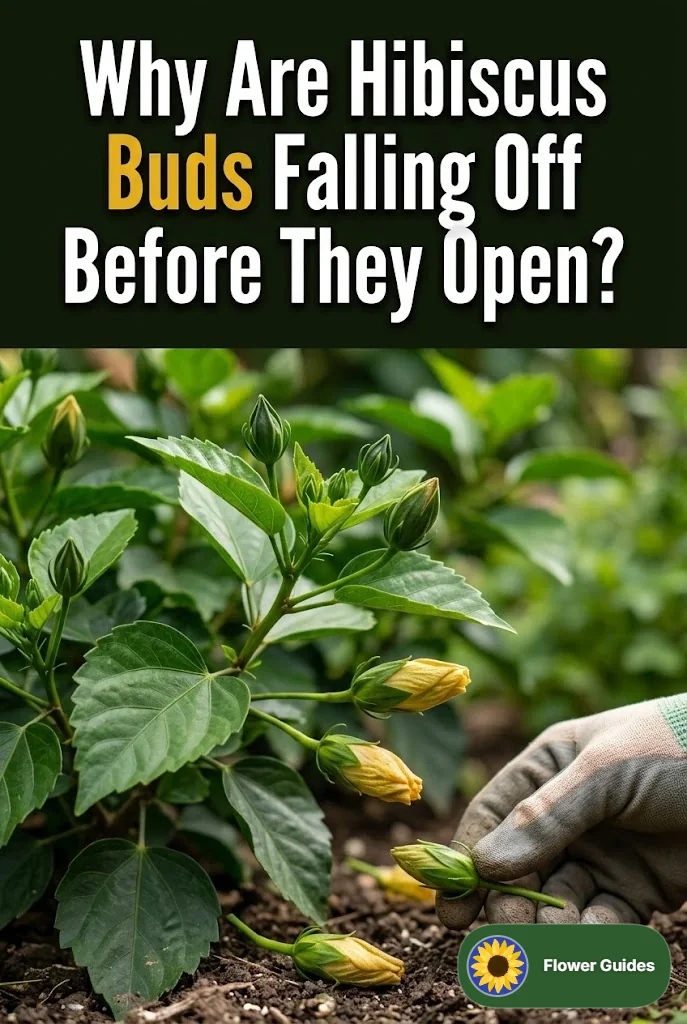
Seeing your beautiful hibiscus buds fall off before they have a chance to bloom can be disheartening. This vibrant plant, known for its stunning flowers, can sometimes present challenges that leave gardeners puzzled. Understanding why these buds drop can help you take the necessary steps to nurture your hibiscus back to health. Let’s explore the most common reasons for this issue and provide solutions to ensure your hibiscus thrives.
Quick Answer
Hibiscus buds may fall off before opening due to environmental stress, inadequate watering, pests, or nutrient deficiencies. Addressing these issues promptly can help your plant produce healthy blooms.
Understanding Hibiscus Bud Drop
Hibiscus plants are generally hardy and can be quite forgiving. However, they can also be sensitive to changes in their environment. Here are some key reasons why your hibiscus buds might be dropping prematurely:
1. Environmental Stress
Hibiscus plants thrive in warm, sunny conditions. Sudden changes in temperature, humidity, or light can lead to stress, causing buds to drop. Here’s what to watch for:
- Temperature Fluctuations: Hibiscus prefers temperatures between 60°F and 90°F. Sudden drops or spikes can shock the plant.
- Humidity Levels: Low humidity can lead to bud drop. Hibiscus loves moisture, so maintaining a humid environment is key.
- Light Conditions: Insufficient light can prevent buds from developing properly. Ensure your hibiscus receives at least 6 hours of sunlight daily.
2. Inadequate Watering
Watering is crucial for the health of your hibiscus. Both overwatering and underwatering can lead to bud drop:
- Overwatering: This can cause root rot, denying the plant the nutrients it needs. Ensure the soil drains well and that the plant isn’t sitting in water.
- Underwatering: If the soil dries out completely, the plant may drop buds to conserve resources. Keep the soil consistently moist but not soggy.
3. Nutrient Deficiencies
Hibiscus plants require a balanced diet of nutrients for optimal growth. Deficiencies in key nutrients can lead to health issues, including bud drop:
- Nitrogen: Essential for leaf growth and overall plant health. A lack of nitrogen can lead to weak stems and premature bud drop.
- Potassium: Important for flower production. Low potassium levels can cause buds to fall off before blooming.
- Magnesium: Deficiency can lead to yellowing leaves and bud drop. Epsom salt can be a quick fix for magnesium deficiency.
Common Pests Infesting Hibiscus
Pests can also be a significant factor in why hibiscus buds fall off. Here are some common culprits:
1. Aphids
Aphids are tiny insects that suck the sap from your hibiscus. They can weaken the plant and cause stress, leading to bud drop. Look for distorted leaves or sticky residue on the plant.
2. Spider Mites
These pests thrive in dry conditions and can cause significant damage. If you notice fine webbing on the plant or tiny yellow spots on the leaves, spider mites may be the issue.
3. Whiteflies
Whiteflies can also sap the plant’s energy, leading to inadequate growth and flower production. They usually appear as small white dots fluttering around the plant.
Proactive Care for Healthy Hibiscus
To prevent bud drop and ensure your hibiscus remains healthy, consider these proactive care tips:
1. Optimal Watering Practices
Water your hibiscus deeply but infrequently. This encourages deep root growth. A general rule is to water once the top inch of soil feels dry. During hot weather, you may need to water more frequently.
2. Fertilization Routine
Fertilize your hibiscus every 4-6 weeks during the growing season with a balanced, water-soluble fertilizer. Look for one with equal parts nitrogen, phosphorus, and potassium (NPK).
3. Regular Pest Checks
Inspect your hibiscus regularly for signs of pests. If you find any, treat them immediately using insecticidal soap or neem oil to control infestations.
Pinterest-Style Ideas for Hibiscus Care
- Colorful Container Gardens: Create a stunning display by planting hibiscus in colorful pots alongside other tropical plants.
- Hibiscus Tea: Harvest the flowers to make delicious hibiscus tea, adding a unique twist to your garden experience.
- Garden Borders: Use hibiscus as a border plant to create a tropical oasis in your backyard.
- Vertical Gardens: Train hibiscus to grow on trellises for vertical interest and stunning blooms at eye level.
Expert Tips for Thriving Hibiscus
Here are some lesser-known tips to ensure your hibiscus flourishes:
- Deadheading: Regularly remove spent blooms to encourage new growth and prolong the blooming period.
- Mulching: Apply a layer of mulch around the base to retain moisture and regulate soil temperature.
- Pruning: Prune hibiscus in late winter or early spring to promote bushier growth and more blooms.
Common Questions (FAQ)
Why are my hibiscus buds turning yellow before falling off?
Yellowing buds may indicate nutrient deficiencies, especially nitrogen or potassium. Ensure your hibiscus is receiving proper fertilization.
How often should I water my hibiscus?
Water your hibiscus when the top inch of soil is dry. In hot weather, this may be daily, while in cooler weather, it could be less frequent.
Can hibiscus survive winter outdoors?
In most climates, hibiscus is not winter hardy. In colder areas, bring potted hibiscus indoors or cover outdoor plants to protect them from frost.
Conclusion
Understanding the causes behind hibiscus bud drop is essential for maintaining the health of this stunning plant. By addressing environmental stress, watering practices, nutrient needs, and potential pests, you can create the ideal conditions for your hibiscus to thrive. With a little care and attention, you’ll soon be rewarded with the beautiful blooms you desire.