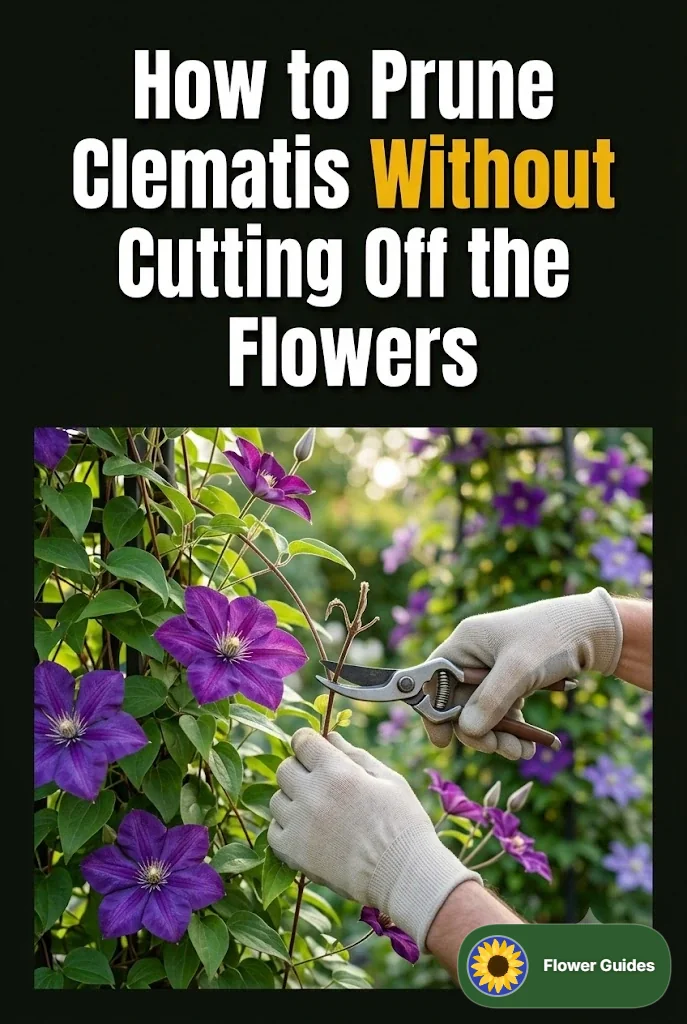
How to Prune Clematis Without Cutting Off the Flowers
Pruning clematis can be a daunting task for many gardeners. You want to encourage healthy growth and vibrant blooms, yet you fear cutting away the very flowers you cherish. The good news is that with a little knowledge and the right techniques, you can successfully prune your clematis without sacrificing its beautiful flowers. Let’s dive into the essentials of clematis pruning to ensure a flourishing garden full of color.
Understanding Clematis Types
Before you grab your shears, it’s crucial to understand the different types of clematis. This will guide your pruning strategy and help you avoid cutting off those precious blooms.
Group 1: Early Bloomers
- Characteristics: These clematis bloom in early spring on previous year’s growth.
- Examples: C. montana, C. armandii.
- Pruning Tips: Minimal pruning is required. Remove dead or damaged wood right after flowering.
Group 2: Mid-Season Bloomers
- Characteristics: They flower from late spring to summer.
- Examples: C. viticella, C. jackmanii.
- Pruning Tips: Cut back to about half their height in late winter or early spring to encourage new growth.
Group 3: Late Bloomers
- Characteristics: These bloom in late summer and fall on new growth.
- Examples: C. terniflora, C. x jackmanii.
- Pruning Tips: Cut back to 12-18 inches in early spring to stimulate robust growth.
When to Prune Your Clematis
Timing is everything in gardening. For clematis, the best time to prune depends on the group they belong to. Here’s a quick guide:
- Group 1: Immediately after blooming in spring.
- Group 2: Late winter to early spring.
- Group 3: Early spring before new growth begins.
Step-by-Step Pruning Guide
Now that you understand the types and timing, let’s go through the steps to prune clematis effectively without removing flowers.
Step 1: Gather Your Tools
Having the right tools is essential for a clean cut. Gather the following:
- Bypass pruners
- Clean cloth (for wiping blades)
- Gloves
- Stakes or supports (if needed)
Step 2: Assess the Plant
Before you start pruning, take a moment to assess the health of your clematis. Look for:
- Dead or diseased stems
- Overgrown areas
- Stems that are crossing or rubbing against each other
Step 3: Make Clean Cuts
Using your bypass pruners, begin trimming:
- For Group 1, remove only dead or damaged wood. Be cautious not to cut into healthy stems.
- For Group 2, cut back stems to about half their height, ensuring you leave healthy buds intact.
- For Group 3, prune back to 12-18 inches. Focus on cutting above a healthy bud to promote growth.
Step 4: Support Growth
After pruning, consider adding support structures like trellises or arbors. This not only helps the plant grow upright but also allows for better air circulation and sunlight exposure, which can lead to more blooms.
Pinterest-Style Ideas for Pruned Clematis
Once your clematis is pruned, you can enhance your garden’s visual appeal. Here are some ideas to make the most of your clematis:
- Color Coordination: Pair your clematis with complementary plants for a vibrant display.
- Vertical Gardens: Use trellises to create stunning vertical displays with flowering clematis.
- Seasonal Blooms: Mix early, mid, and late bloomers for continuous color throughout the seasons.
Expert Tips for Pruning Clematis
Here are some insider tips to keep in mind while pruning:
- Clean Tools: Always disinfect your pruning tools before and after use to prevent the spread of diseases.
- Know Your Buds: Familiarize yourself with where the buds form on your specific clematis type. This knowledge helps in making precise cuts.
- Observe Growth Patterns: Each clematis has its growth habit. Observe how your plant grows to understand where to prune effectively.
Common Questions About Pruning Clematis
1. How can I tell which group my clematis belongs to?
Identifying the blooming season is key. If it blooms in early spring, it’s likely Group 1. Mid-season bloomers are Group 2, and late bloomers belong to Group 3.
2. Can I prune my clematis in the fall?
It’s not recommended to prune in the fall, as this can damage new growth and expose the plant to winter stress. Stick to the recommended times for each group.
3. What if I accidentally cut off the flowers?
Don’t panic! Healthy clematis plants will rebound. Just ensure proper care and they will produce new growth and blooms in the following season.
Conclusion
Pruning clematis doesn’t have to be a scary task. By understanding the types of clematis and following a careful pruning strategy, you can encourage healthy growth and maintain those stunning blooms. Remember, gardening is a journey, and with each season, you’ll grow more skilled in nurturing your plants. Enjoy the beauty that your hard work will bring to your garden!