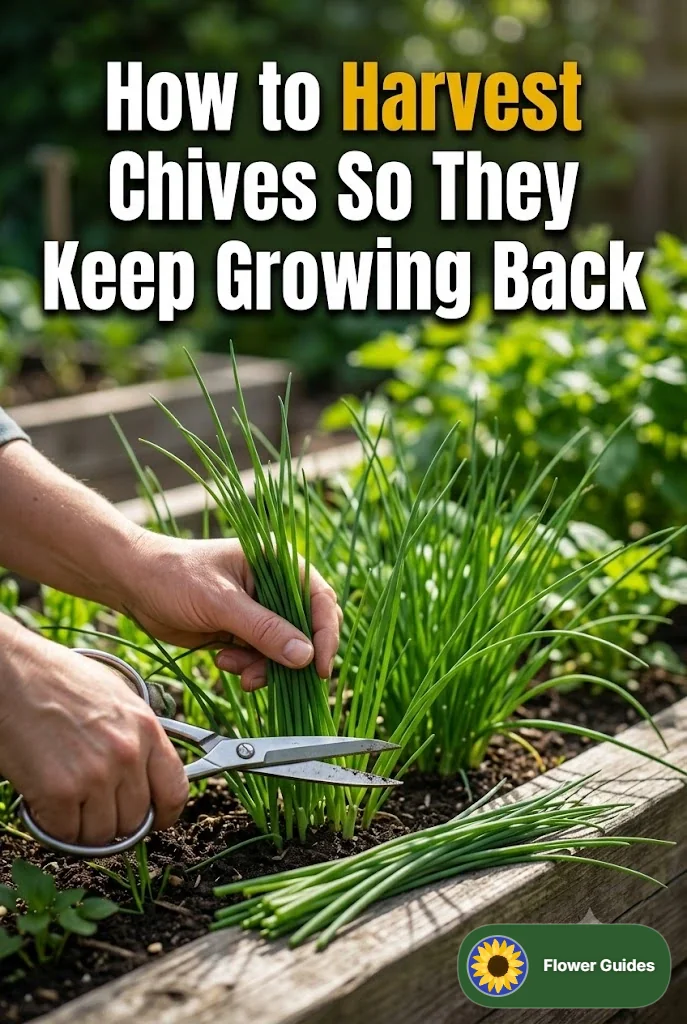
How to Harvest Chives So They Keep Growing Back
Chives are a delightful addition to any garden or kitchen, known for their vibrant green color and subtle onion flavor. They’re easy to grow and maintain, but many gardeners wonder how to harvest them without sacrificing future growth. Proper harvesting techniques are essential for ensuring that your chives continue to thrive and provide fresh, flavorful additions to your meals. Let’s dive into the best practices for harvesting chives so that they keep coming back season after season.
Quick Answer
To harvest chives while promoting regrowth, cut the leaves just above the soil line, leaving at least 1-2 inches of stem. This allows the plant to continue growing and producing new shoots. Regular harvesting encourages bushier growth and ensures a steady supply of fresh chives.
The Benefits of Harvesting Chives Correctly
Before we get into the specifics of harvesting, it’s essential to understand why proper techniques matter. Here are a few key benefits:
- Continuous Supply: Regular harvesting encourages more growth, giving you a constant supply of fresh chives.
- Healthy Plants: Correct harvesting reduces the risk of disease and promotes plant vitality.
- Flavor Optimization: Freshly harvested chives taste best, enhancing your culinary creations.
When to Harvest Chives
Timing is critical when it comes to harvesting chives. Here’s what you need to know:
Optimal Growth Stage
Chives can be harvested as soon as they reach around 6 inches in height, typically in the spring. The leaves should be green, healthy, and succulent. Regular harvesting encourages more growth, so don’t wait too long!
Seasonal Considerations
Chives are perennial herbs that can be harvested throughout the growing season, but the best flavor often comes in spring and early summer. In the fall, allow the leaves to die back slightly before winter to prepare for a robust comeback in the spring.
How to Harvest Chives Properly
Now that you know when to harvest, let’s explore how to do it effectively.
Tools You’ll Need
To harvest chives, you’ll need:
- Sharp scissors or garden shears
- A clean container for collecting the chives
Step-by-Step Harvesting Guide
- Inspect the Plant: Look for healthy, vibrant chives. Avoid harvesting any yellow or damaged leaves.
- Prepare Your Tools: Ensure your scissors or shears are clean and sharp to make clean cuts.
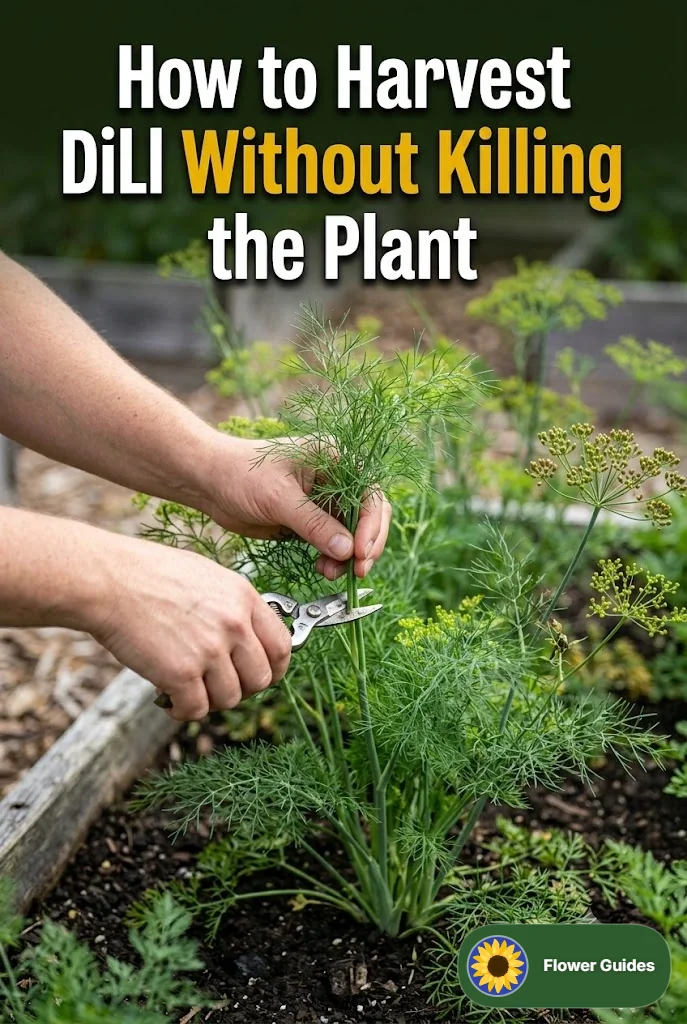
- Cut Wisely: Use your scissors to snip the chive leaves about 1-2 inches above the soil line. This leaves enough stem for regrowth.
- Harvest Regularly: To encourage bushier growth, consider harvesting a few leaves every week rather than taking a large amount at once.
- Store Properly: Place harvested chives in a clean container and keep them in the refrigerator to maintain freshness.
Pinterest-Style Ideas for Using Chives
Chives are versatile and can elevate a variety of dishes. Here are some creative ideas to inspire your culinary adventures:
- Chive Butter: Blend softened butter with minced chives for a delicious spread.
- Garnish for Soups: Top your favorite soups with chopped chives for added flavor and color.
- Chive Oil: Infuse olive oil with fresh chives for a fragrant dressing or finishing oil.
- Herb Cream Cheese: Mix chives into cream cheese for a tasty bagel spread.
- Salad Enhancer: Add chopped chives to salads for a fresh, oniony kick.
Expert Tips for Maximizing Chive Growth
Here are some insider tips to ensure your chives keep thriving:
- Water Wisely: Chives prefer consistently moist soil but avoid waterlogging. Ensure they are well-drained.
- Fertilize Sparingly: A light application of balanced fertilizer in early spring can boost growth, but too much can diminish flavor.
- Divide Every Few Years: To prevent overcrowding and promote healthier plants, divide clumps every few years in the spring or fall.
Common Questions About Chive Harvesting
How often should I harvest chives?
Chives can be harvested every few weeks during the growing season, as long as you leave enough leaves for the plant to continue growing.
Can I harvest chives in the fall?
Yes, you can harvest chives in the fall, but it’s best to allow some leaves to remain for winter dormancy and regrowth in spring.
Will harvesting chives kill the plant?
No, proper harvesting techniques will not kill the plant. In fact, regular harvesting encourages more growth.
How do I know if my chives are healthy enough to harvest?
Healthy chives should be vibrant green, firm, and free from any yellowing or wilting. If they look robust, they’re ready for harvest!
Conclusion
Harvesting chives correctly is a rewarding process that ensures your plants remain healthy and productive. By following these simple steps and tips, you can enjoy a continuous supply of this flavorful herb throughout the growing season. So grab your scissors, head to your garden, and start enjoying the benefits of fresh chives in your cooking!