Easiest Vegetables to Grow for Beginners
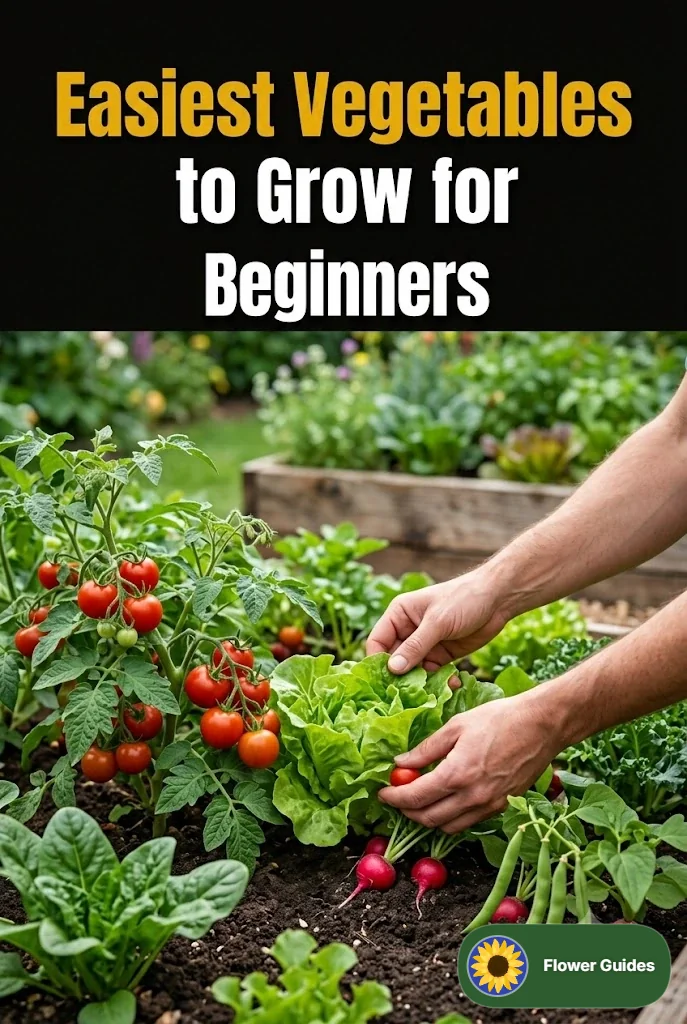
Starting a vegetable garden can feel overwhelming for beginners, but it doesn’t have to be! With the right choices, you can cultivate a thriving patch of greens without a ton of experience. Imagine stepping outside to harvest fresh tomatoes, crisp lettuce, or sweet peppers with the satisfaction of knowing you grew them yourself. Let’s explore some of the easiest vegetables to grow, so you can enjoy a bountiful harvest while building your gardening confidence.
Quick Answer
Some of the easiest vegetables for beginners to grow include lettuce, radishes, cucumbers, and green beans. These vegetables are low-maintenance, quick to mature, and can thrive in various conditions, making them perfect for novice gardeners.
Choosing the Right Vegetables
When starting your vegetable garden, it’s essential to select varieties that are forgiving and easy to grow. Here are some factors to consider when making your choices:
- Growing Season: Choose vegetables appropriate for your climate and growing season.
- Space Requirements: Consider how much space you have; some vegetables need more room than others.
- Maintenance Level: Look for low-maintenance options if you’re new to gardening.
Top Easiest Vegetables to Grow
Lettuce
Lettuce is a fantastic choice for beginners because it grows quickly and can be harvested multiple times. Here’s how to get started:
- Choose Your Varieties: Opt for loose-leaf types like ‘Buttercrunch’ or ‘Romaine’.
- Planting: Sow seeds directly in the ground or in containers, about ¼ inch deep.
- Watering: Keep the soil consistently moist, especially during hot weather.
- Harvesting: Pick outer leaves as needed, allowing the center to continue growing.
Radishes
Radishes are one of the fastest-growing vegetables, making them perfect for impatient gardeners. They can be ready in as little as three weeks!
- Planting: Sow seeds directly in well-draining soil about ½ inch deep.
- Spacing: Give them about an inch of space between each seed.
- Sunlight: Radishes thrive in full sun but can tolerate partial shade.
- Harvesting: Pull radishes when they’re about the size of a golf ball for the best taste.
Cucumbers
Cucumbers are refreshing and versatile, perfect for salads or pickling. They grow well in warm weather.
- Choose Your Variety: Look for bush varieties if space is limited.
- Planting: Sow seeds directly in the ground after the last frost, about 1 inch deep.
- Support: Use a trellis to save space and help cucumbers grow vertically.
- Watering: Keep soil consistently moist; cucumbers love water!
Green Beans
Green beans are simple to grow and provide a great yield. Plus, they’re delicious fresh from the garden!
- Types: Choose between bush beans or pole beans based on your space.
- Planting: Sow seeds directly in the soil about 1 inch deep, after the last frost.
- Sunlight: They thrive in full sun, so pick a sunny spot.
- Harvesting: Pick beans regularly to encourage more growth.
Pinterest-Style Ideas for Your Garden
To inspire your gardening journey, here are some creative ideas to incorporate into your vegetable garden:
- Vertical Gardens: Use trellises for cucumbers and beans to save space and create an eye-catching display.
- Colorful Container Planting: Mix different vegetable varieties in colorful pots for a vibrant garden.
- Herbs with Veggies: Plant herbs like basil and parsley alongside your vegetables for added flavor and beauty.
- Companion Planting: Pair tomatoes with basil to deter pests naturally while enhancing flavor.
Expert Tips for Success
Here are some insider tips that can help you grow your vegetables more successfully:
- Soil Quality: Start with nutrient-rich soil. Consider adding compost to improve soil structure and fertility.
- Mulching: Apply mulch around plants to retain moisture and suppress weeds.
- Regular Monitoring: Check your plants regularly for pests and diseases. Early detection is key!
- Succession Planting: To maximize your harvest, plant new seeds every few weeks to ensure a continuous supply.
Common Questions
How much sunlight do vegetables need?
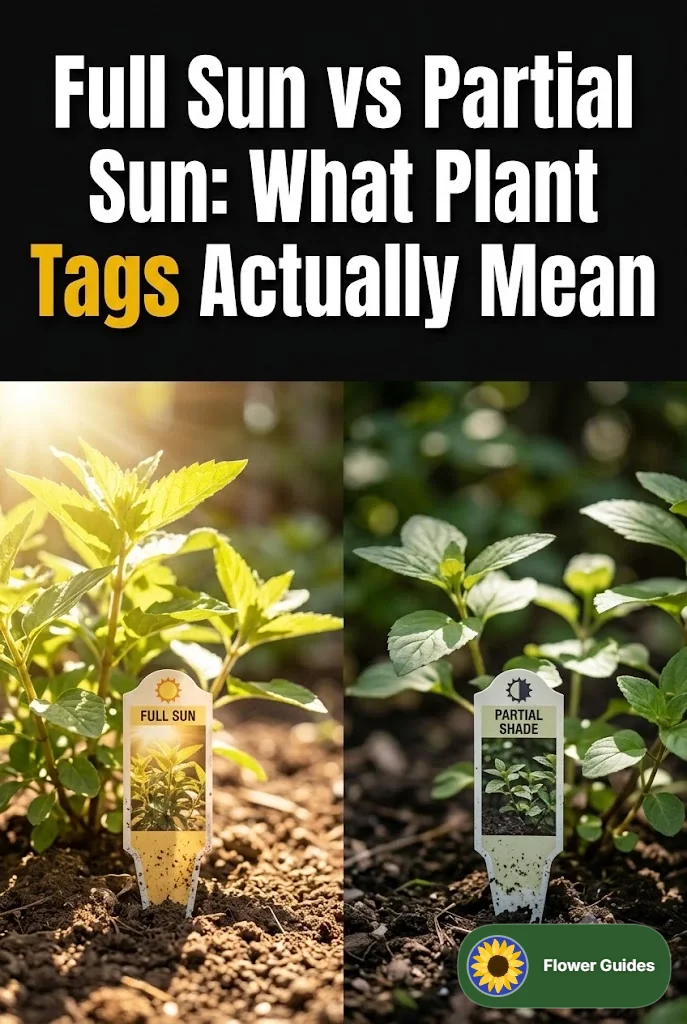
Most vegetables thrive in full sun, meaning they require at least 6-8 hours of direct sunlight daily. Some, like lettuce, can tolerate partial shade.
When is the best time to plant vegetables?
The best time to plant vegetables depends on your climate. Generally, wait until after the last frost in your area to plant warm-season crops.
How do I know when to harvest my vegetables?
Each vegetable has its signs of maturity. Research specific varieties to determine the best time for harvesting, usually indicated by size and color.
Can I grow vegetables in containers?
Yes! Many vegetables, including tomatoes, peppers, and herbs, grow well in containers. Ensure you use a quality potting mix and choose appropriate container sizes.
Conclusion
Growing your own vegetables is not only rewarding but also accessible, even for beginners. By choosing easy-to-grow varieties and following some simple tips, you can transform your gardening experience into a joyful adventure. So grab your seeds, prepare your soil, and let your gardening journey begin! There’s nothing quite like the taste of fresh, homegrown vegetables.