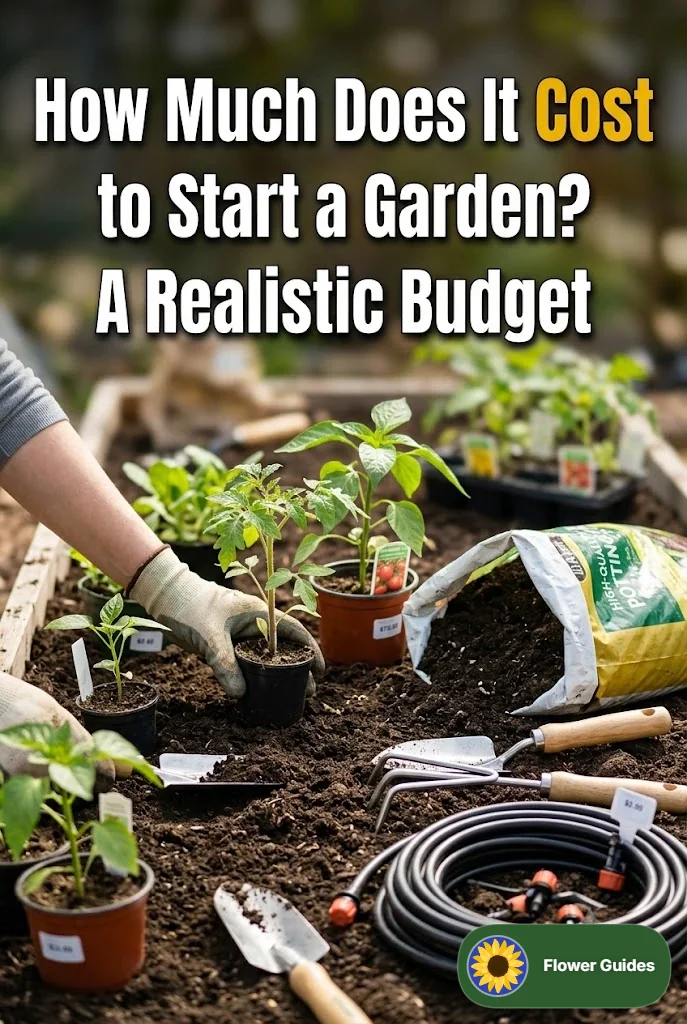
How Much Does It Cost to Start a Garden? A Realistic Budget
Starting a garden is an exciting venture that can transform your outdoor space and provide fresh produce, beautiful flowers, or simply a serene environment. However, many aspiring gardeners hesitate due to uncertainty about the costs involved. From soil to seeds, tools to plants, the expenses can add up quickly. Understanding the realistic budget for starting a garden can help you plan effectively and enjoy the process without breaking the bank.
Quick Answer
The cost to start a garden can range from $100 to $500 or more, depending on the size, type of plants, and necessary materials. A small container garden may be less expensive, while a larger vegetable or flower garden could require a more significant investment in soil, seeds, and tools.
Assessing Your Garden Size and Type
The first step in budgeting for your garden is determining its size and the type of garden you wish to create. Here are some options:
1. Container Gardens
- Budget: $50 – $200
- Ideal for small spaces or patios.
- Requires pots, soil, and plants.
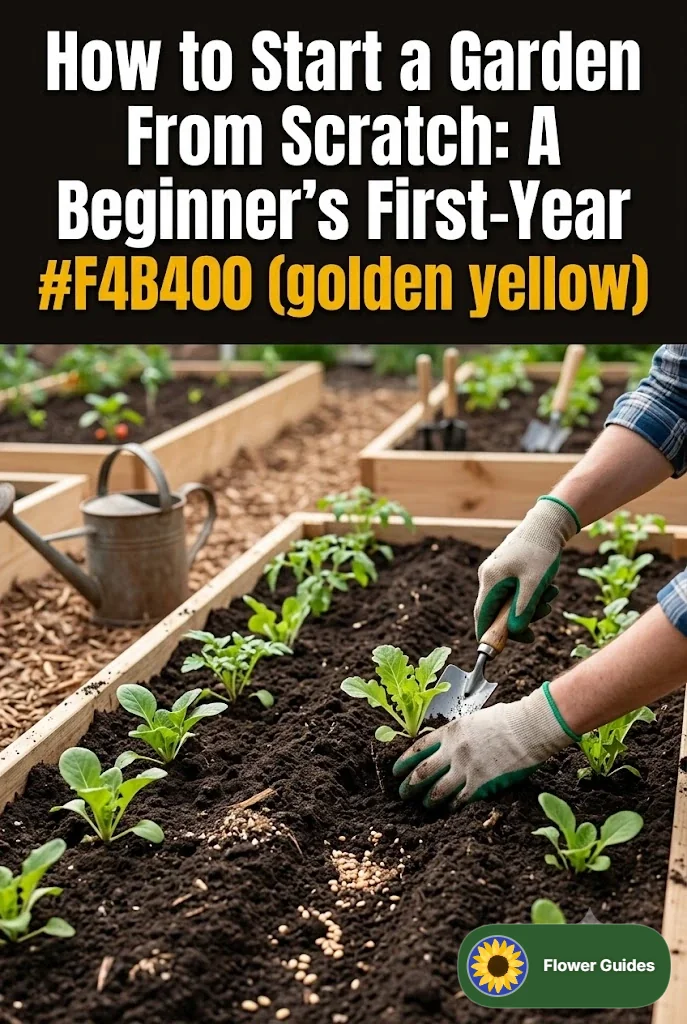
2. Raised Bed Gardens
- Budget: $100 – $400
- Great for vegetables and herbs.
- Includes wood for beds, soil, and plants.
3. In-Ground Gardens
- Budget: $200 – $500+
- Best for larger vegetable plots.
- Requires soil amendments, seeds, and tools.
Essential Costs to Consider
Once you’ve decided on the type of garden, it’s time to break down the costs. Here’s a detailed look at essential items you’ll need to budget for:
1. Soil and Amendments
Good soil is the foundation of a successful garden. The quality of soil will impact plant growth significantly.
- Compost: $30 – $100 for bulk purchases
- Topsoil: $20 – $50 for bags or bulk
- Mulch: $10 – $50 depending on coverage area
2. Seeds and Plants
Choosing the right seeds and plants is crucial for a thriving garden.
- Seeds: $1 – $5 per packet
- Seedlings: $3 – $10 each
- Specialty plants: $10 – $30 each
3. Tools and Supplies
Investing in the right tools can make gardening much easier and more enjoyable.
- Hand tools: $30 – $100 (trowel, pruners, etc.)
- Watering equipment: $20 – $50 (hose, watering can)
- Gardening gloves: $10 – $30
4. Fertilizers and Pest Control
Maintaining healthy plants often requires the use of fertilizers and pest management strategies.
- Fertilizer: $10 – $30 per bag
- Pest control: $10 – $30 (organic options available)
Optional Costs
While the essentials will get you started, there are several optional expenses that can enhance your gardening experience.
1. Garden Decor
- Garden stakes: $10 – $30
- Decorative stones or statues: $20 – $100
2. Irrigation Systems
- Drip irrigation kits: $30 – $100
- Soaker hoses: $10 – $30
3. Garden Furniture
- Seating: $50 – $200
- Tables: $100 – $300
Common Mistakes When Budgeting for a Garden
It’s easy to overlook certain costs or underestimate others. Here are some common pitfalls to avoid:
- Underestimating soil costs: Quality soil is essential; don’t skimp on this part.
- Ignoring ongoing costs: Factor in recurring expenses for seeds, fertilizers, and pest control.
- Overbuying tools: Start with essentials and add more tools as needed.
Expert Tips for Budget-Friendly Gardening
Here are some insider tips to keep your gardening expenses in check:
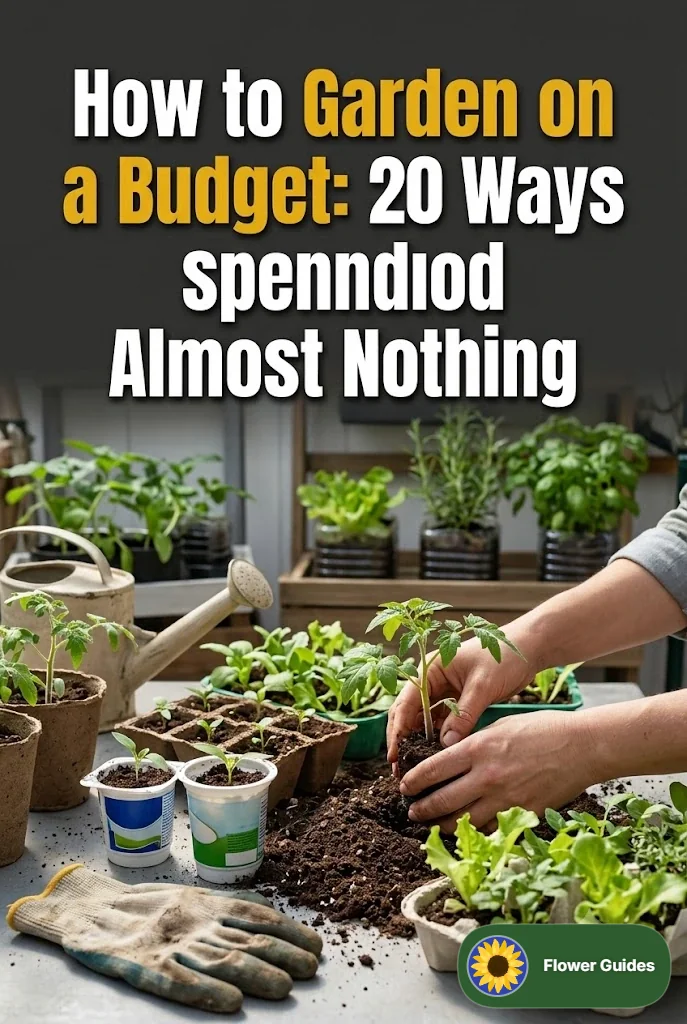
- Start small: Begin with a few plants or a small plot to gauge your interest and commitment.
- Swap seeds: Join local gardening groups or online communities to exchange seeds with other gardeners.
- Use DIY solutions: Create your own compost or make pest control sprays using household items.
Common Questions
1. How much can I expect to spend on seeds and plants for a beginner garden?
For a beginner garden, expect to spend between $30 and $100 on seeds and seedlings, depending on what you choose to grow.
2. Can I start a garden on a tight budget?
Absolutely! Start with a few containers and seeds, and gradually expand your garden as your budget allows.
3. What are some low-cost gardening methods?
Consider raised beds made from recycled materials, or use free resources like garden compost or soil from your yard.
Conclusion
Starting a garden doesn’t have to be an overwhelming financial burden. By understanding the costs involved and planning wisely, you can create a flourishing space that brings joy and beauty to your home. Whether you opt for a small container garden or a larger vegetable plot, remember that gardening is a rewarding journey. Embrace the process, learn as you go, and enjoy the fruits of your labor—literally!