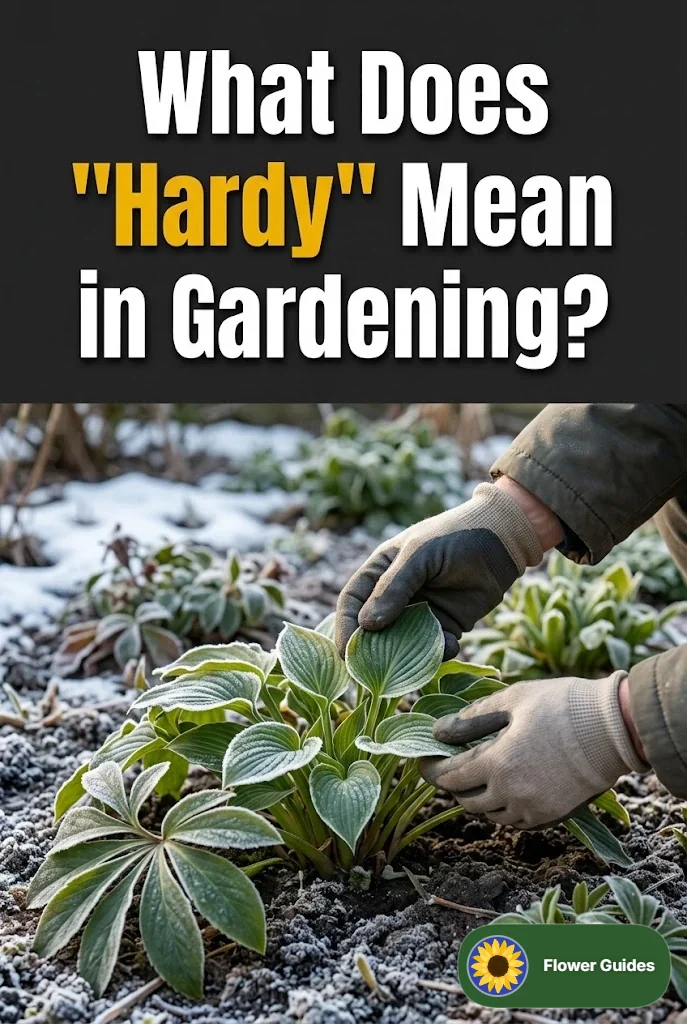
What Does “Hardy” Mean in Gardening?
Understanding gardening terminology can be a game changer for both novice and experienced gardeners alike. One term that often pops up is “hardy.” You may have heard it when discussing plant choices or the best conditions for your garden. But what does “hardy” truly mean in the gardening context? This essential word can guide you in selecting plants that will thrive in your specific climate, soil conditions, and maintenance level. Let’s dig deeper into the definition, significance, and practical applications of this term in your gardening journey.
What Does “Hardy” Mean?
In gardening, the term “hardy” refers to a plant’s ability to withstand adverse environmental conditions, particularly cold temperatures. Hardy plants can survive and thrive in specific hardiness zones, which are defined by the USDA based on the average minimum winter temperature in each area. This resilience allows them to endure seasonal changes, pests, and diseases more effectively than non-hardy varieties.
Types of Hardiness
Plants can be categorized into two main types of hardiness:
- Hardy: These plants can survive freezing temperatures and often bloom in spring after a cold winter.
- Tender: These plants are sensitive to frost and usually need protection during colder months.
Why Choose Hardy Plants?
Choosing hardy plants for your garden has several benefits:
- Lower Maintenance: Hardy plants often require less care since they are naturally adapted to local conditions.
- Seasonal Resilience: They can survive fluctuating temperatures, allowing your garden to thrive year-round.
- Cost-Effective: Investing in hardy plants means fewer replacements and less spending on protective measures.
Understanding Hardiness Zones
Hardiness zones are crucial when selecting plants for your garden. The USDA divides regions into zones based on temperature:
- Zone 1: -60°F to -50°F
- Zone 2: -50°F to -40°F
- Zone 3: -40°F to -30°F
- Zone 4: -30°F to -20°F
- Zone 5: -20°F to -10°F
- Zone 6: -10°F to 0°F
- Zone 7: 0°F to 10°F
- Zone 8: 10°F to 20°F
- Zone 9: 20°F to 30°F
- Zone 10: 30°F to 40°F
- Zone 11: 40°F and above
When selecting plants, always consider your local hardiness zone. Check the plant label or descriptions to ensure they are suited for your zone. This will help you avoid disappointment when winter arrives.
Common Hardy Plants
Here are some popular hardy plants that are suitable for various gardens:
Flowers
- Pansies: Vibrant colors that bloom in early spring.
- Daylilies: These perennials are tough and come in various colors.
- Black-eyed Susans: Bright yellow flowers that attract pollinators.
Vegetables
- Kale: Cold-tolerant and nutrient-rich.
- Brussels Sprouts: Flavor improves after a frost.
- Carrots: Can be sown in early spring or late summer.
Herbs
- Thyme: Drought-resistant and flavorful.
- Chives: Hardy and can be used fresh or dried.
- Oregano: Thrives in various conditions.
Tips for Growing Hardy Plants
To successfully cultivate hardy plants, keep these tips in mind:
- Soil Quality: Ensure well-draining soil with the right pH level for your chosen plants.
- Watering: While hardy plants are resilient, they still need consistent watering, especially in dry spells.
- Mulching: Use mulch to protect roots during colder months and retain moisture.
Common Mistakes When Choosing Hardy Plants
Even the most seasoned gardeners can make mistakes. Here are a few common pitfalls to avoid:
- Ignoring Hardiness Zones: Always check a plant’s hardiness rating to ensure it aligns with your zone.
- Over-Fertilizing: Too much fertilizer can harm hardy plants; use it sparingly.
- Neglecting Sunlight Needs: Each plant has specific sunlight requirements; make sure to match them with your garden layout.
Expert Tips for Selecting Hardy Plants
Here are some insider tips to enhance your gardening experience:
- Research Local Flora: Understand what native plants thrive in your area; they are often the hardiest.
- Visit Local Nurseries: Speak with local experts for recommendations on hardy varieties that work well in your soil and climate.
- Experiment: Don’t be afraid to try new varieties; gardening is about exploration and learning.
Common Questions about Hardy Plants
1. What is the difference between hardy and tender plants?
Hardy plants can survive cold temperatures, while tender plants are sensitive to frost and need protection from cold weather.
2. How can I find out my hardiness zone?
You can find your hardiness zone by visiting the USDA Plant Hardiness Zone Map online, which provides a detailed breakdown based on your zip code.
3. Are all perennials considered hardy?
No, not all perennials are hardy. Some may require more protection during colder months, so always check their specific hardiness ratings.
4. Can I grow hardy plants in containers?
Yes, many hardy plants can be grown in containers, but ensure that the pots have adequate drainage and insulation for winter.
Conclusion
Understanding what “hardy” means can take your gardening skills to the next level. By choosing plants that thrive in your local conditions, you’ll create a beautiful, resilient garden that flourishes year-round. Remember to consider hardiness zones, pick the right plants for your space, and enjoy the process of nurturing them. Happy gardening!