How to Read a Plant Tag Before You Buy
When you’re shopping for plants, it can be overwhelming to navigate the sea of options available at your local garden center or nursery. Each plant comes with a tag that holds crucial information to ensure your new green friend thrives in your home or garden. Understanding how to read a plant tag can save you time, money, and a few headaches down the road. Let’s dive into the essential elements of plant tags and how to decipher them effectively.
Quick Answer
To read a plant tag effectively, look for key information including the plant’s name, light and water requirements, hardiness zone, growth habits, and care instructions. This will help you choose the right plant for your environment and ensure it thrives.
Understanding Plant Tag Basics
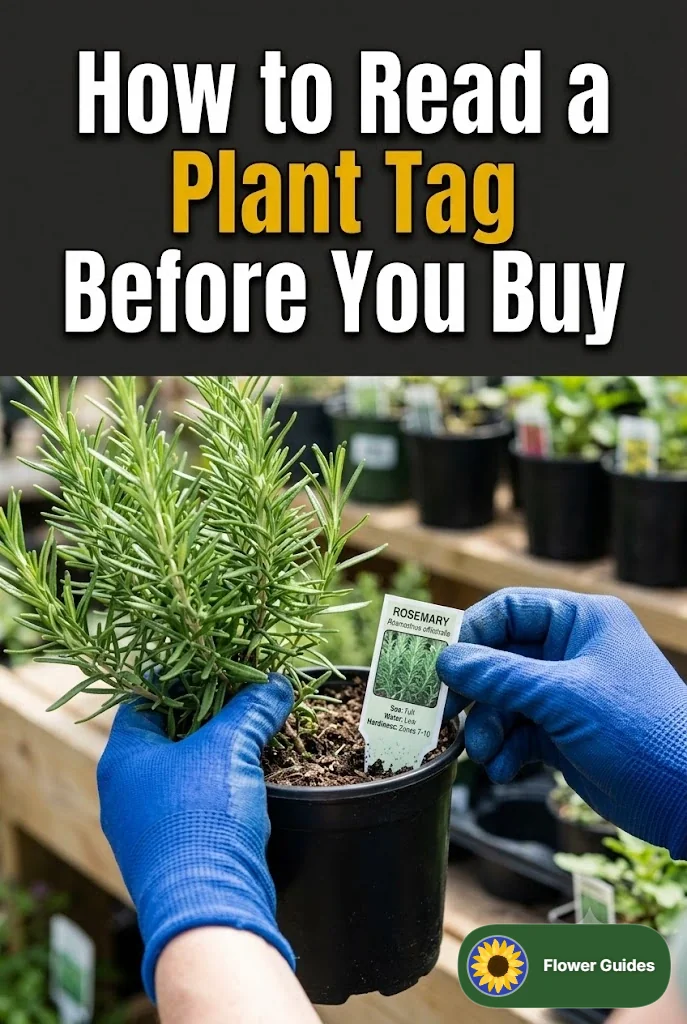
Plant tags are your best friend when selecting plants. They provide vital details that can guide your choices and help you care for your new additions. Here’s a breakdown of what to look for:
1. Plant Name
The plant name is usually displayed prominently on the tag. This includes both the common name and the scientific name (genus and species). Knowing the scientific name can help you find more information about the plant and its needs. For example, you might see “Lavandula angustifolia” for lavender.
2. Light Requirements
Understanding a plant’s light requirements is crucial for its survival. Tags typically indicate whether a plant prefers:
- Full Sun: 6 or more hours of direct sunlight daily.
- Partial Sun/Shade: 3-6 hours of sunlight, often with some protection from the hottest part of the day.
- Full Shade: Less than 3 hours of direct sunlight.
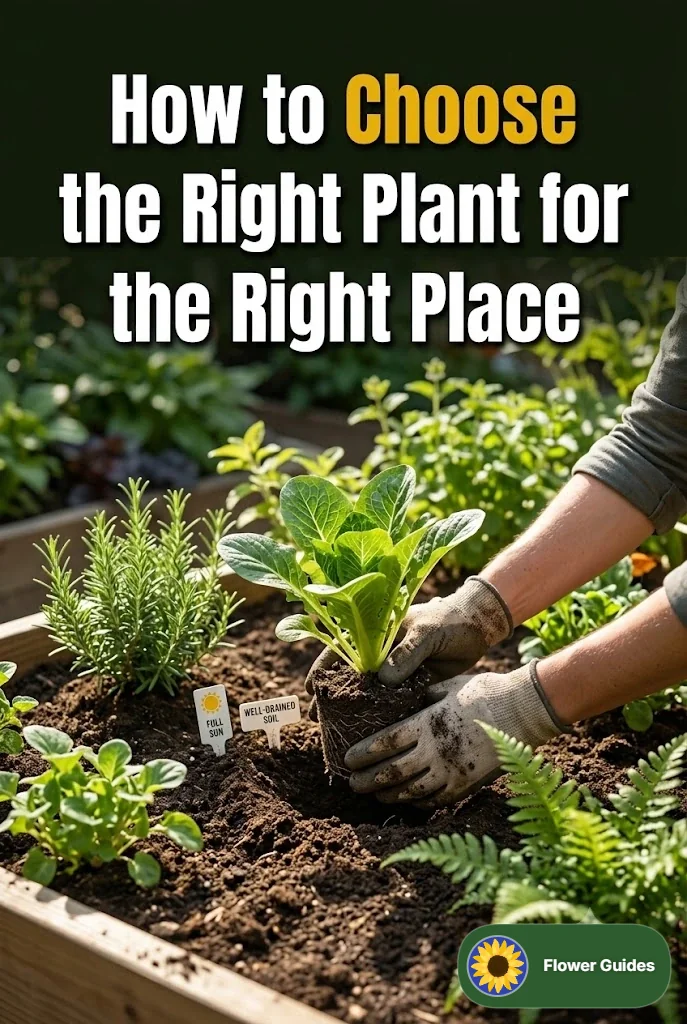
Choosing a plant that matches the light conditions of your space ensures healthier growth.
3. Water Requirements
Water needs can vary widely among plants. Look for indications like:
- Low Water: Drought-tolerant plants that require minimal watering.
- Moderate Water: Regular watering but not overly wet soil.
- High Water: Plants that thrive in moist or wet conditions.
Understanding these needs can prevent overwatering or underwatering, both of which can lead to plant stress or death.
4. Hardiness Zone
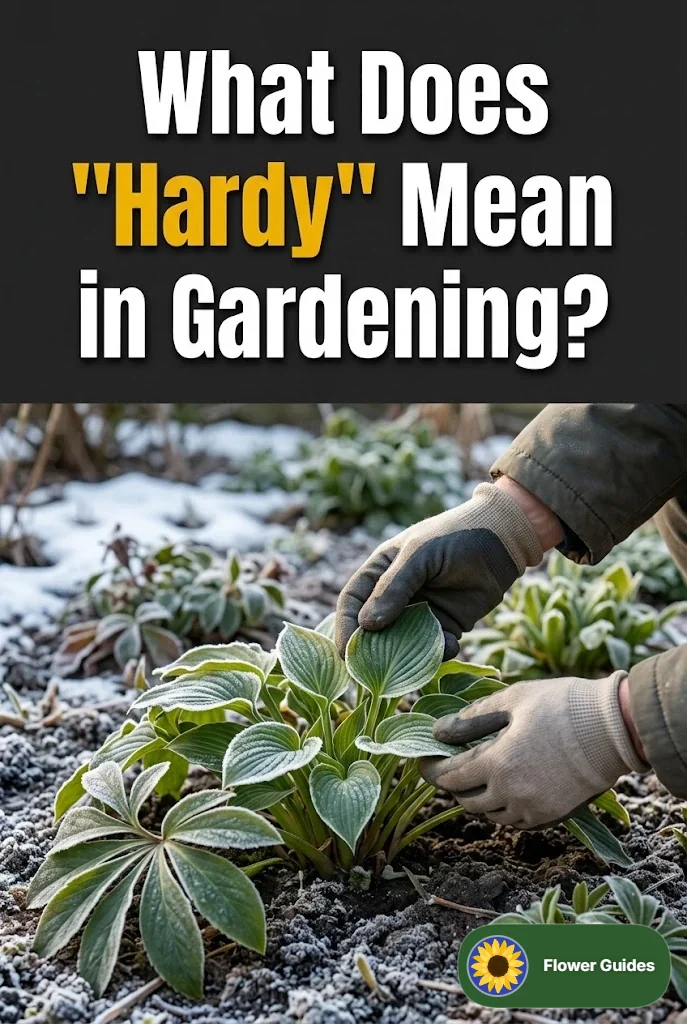
The hardiness zone indicates the climate conditions a plant can withstand. This is essential for outdoor gardening. The zones range from 1 (coldest) to 13 (warmest). A tag will often state the zone range suitable for the plant. For instance, a tag that reads “Zones 3-9” means the plant can survive in those climatic conditions.
5. Growth Habit
Knowing how a plant grows can help you design your garden layout effectively. Tags will describe whether a plant is:
- Upright: Grows tall and narrow.
- Spreading: Grows wider, often requiring more space.
- Trailing: Ideal for hanging baskets or containers.
Understanding the growth habit allows for better planning in your garden space.
Additional Information on Plant Tags
In addition to the basics, some tags may provide further insights that can be beneficial:
6. Care Instructions
Look for specific care instructions that may include fertilization needs, pruning tips, and pest management. Following these guidelines can enhance the plant’s health and longevity.
7. Bloom Time
If you’re selecting flowering plants, check for bloom time. Tags may specify whether the plant flowers in spring, summer, or fall. This helps you choose plants that will provide color at different times of the year.
8. Companion Planting Tips
Some tags also suggest companion plants that grow well together. This can be especially useful for vegetable and herb gardens, where certain plants can enhance growth or deter pests.
Pinterest-Style Ideas for Plant Tag Reading
Now that you know how to read a plant tag, here are some inspiring ways to bring your new plants to life:
- Herb Garden: Use tags to mix culinary herbs like basil, rosemary, and thyme that thrive in similar conditions.
- Colorful Annuals: Select annuals with staggered bloom times for a continuously colorful garden.
- Pollinator Garden: Choose plants that attract bees and butterflies, using tags to identify the best options.
- Container Gardening: Create a stunning display by reading tags for plant compatibility in pots.
Expert Tips for Choosing Plants
To ensure you make the best choices, consider these expert tips:
- Research Before You Go: Familiarize yourself with plants that suit your space and climate.
- Ask Questions: Don’t hesitate to ask nursery staff for advice based on your conditions.
- Inspect Plants: Check for signs of health, such as vibrant leaves and no pest damage.
Common Questions About Plant Tags
1. What if the tag doesn't have enough information?
In such cases, consider researching online or referring to gardening books for comprehensive care instructions.
2. Can I trust the information on plant tags?
Most reputable nurseries provide accurate information, but it’s always good to cross-reference with reliable gardening sources.
3. Are plant tags the same for all types of plants?
No, tags can vary significantly between types of plants (annuals, perennials, shrubs, etc.), so always read the tag specific to the plant type.
4. How can I remember plant care requirements?
Consider keeping a gardening journal or using a plant care app to track specific needs and reminders.
5. Should I keep the tags for future reference?
Yes, keeping the tags can help you remember care instructions, especially for new or unfamiliar plants.
Conclusion
Reading a plant tag is an essential skill for any gardener, whether you’re a novice or a seasoned pro. By understanding the information provided, you can make informed choices that will lead to thriving plants in your home or garden. So next time you’re at the nursery, take a moment to study those tags—they’re your roadmap to gardening success!