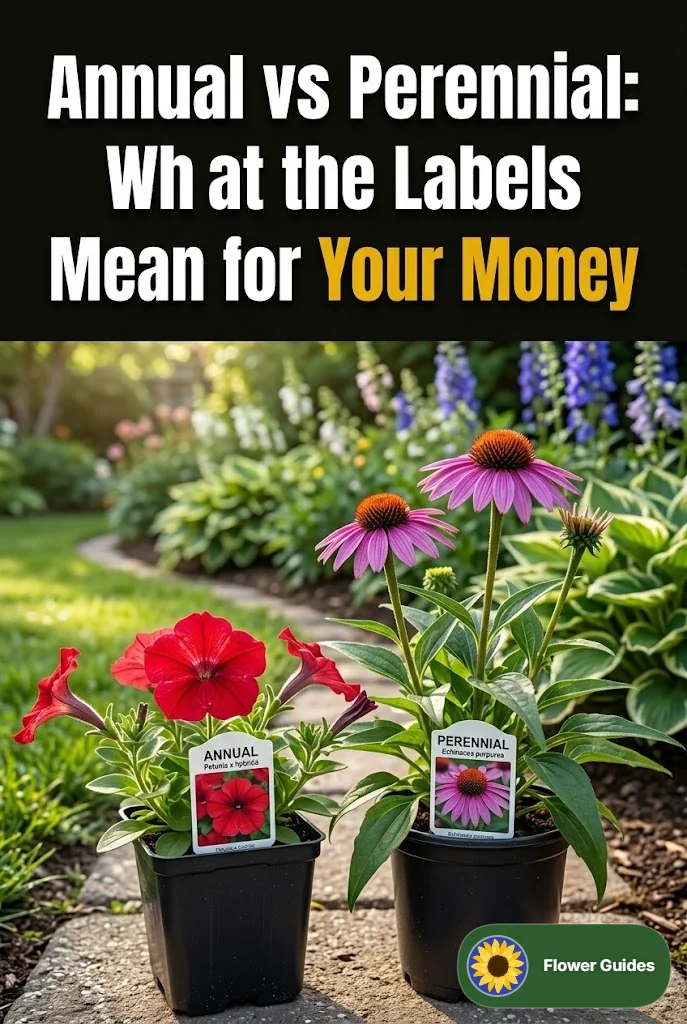
Annual vs Perennial: What the Labels Mean for Your Money
When it comes to gardening, understanding the difference between annuals and perennials can save you time, effort, and money. Both types of plants have unique attributes, but knowing which one to choose can be a game-changer for your garden budget and overall aesthetics. Whether you’re looking to fill your garden with vibrant colors or create a lush, low-maintenance landscape, grasping these distinctions is essential. Let’s dig deeper into what these labels mean and how they impact your gardening investment.
Quick Answer
Annuals are plants that complete their life cycle in one growing season, requiring replanting each year, while perennials live for multiple years, returning each season. Choosing between them can affect your gardening costs, maintenance needs, and visual appeal.
Understanding Annuals
Annual plants are known for their vibrant blooms and rapid growth. They germinate, flower, and die within a single growing season, making them perfect for gardeners looking for quick results. Here’s what you need to know:
Characteristics of Annuals
- Single Season Life Cycle: Annuals grow from seeds, flower, produce seeds, and die within one year.
- Variety of Colors and Shapes: They offer a wide range of colors and forms, perfect for seasonal displays.
- Frequent Replanting: Requires replanting every year, which can lead to increased costs.
Benefits of Annuals
- Instant Gratification: They provide immediate visual impact, ideal for seasonal gardens.
- Endless Variety: With numerous species available, you can create unique combinations each year.
Common Annuals to Consider
- Petunias
- Marigolds
- Zinnias
- Impatiens
Exploring Perennials
Perennials, on the other hand, are the backbone of a sustainable garden. These plants return year after year, which can be a more economical choice in the long run. Here’s what to know about perennials:
Characteristics of Perennials
- Multiple Year Life Cycle: They live for two or more years, often flowering annually.
- Seasonal Growth: Many perennials have distinct growing and dormant seasons.
- Lower Long-Term Costs: While initial costs can be higher, they save money over time since they don’t need to be replanted annually.
Benefits of Perennials
- Low Maintenance: Once established, they require less attention and fewer resources.
- Eco-Friendly: They help maintain soil health and support local ecosystems over time.
Popular Perennials to Grow
- Daylilies
- Hostas
- Peonies
- Lavender
Comparing Costs: Annuals vs. Perennials
Understanding the financial implications of choosing annuals versus perennials is crucial for budget-conscious gardeners.
Initial Investment
Annuals typically have a lower upfront cost compared to perennials. However, you’ll need to purchase them every year, which can add up over time. In contrast, perennials may cost more initially but can save you money in the long run since they don’t need to be replanted annually.
Long-Term Financial Considerations
- Maintenance Costs: Annuals can incur higher maintenance costs due to the need for constant replanting and potential soil amendments after each season.
- Replacement Costs: If annuals fail to thrive or are affected by pests, you’ll have to replace them each year, increasing costs.
- Investment in Perennials: Although they require a larger initial investment, well-chosen perennials can last for many years, reducing your overall gardening expenses.
Step-by-Step Guide to Choosing the Right Plants
Here’s a simple guide to help you make the best choice for your garden:
- Assess Your Garden’s Environment: Consider sunlight, soil type, and climate. Some plants thrive in specific conditions.
- Determine Your Goals: Are you looking for seasonal color, a low-maintenance garden, or long-lasting blooms?
- Calculate Your Budget: Factor in both initial costs and potential long-term expenses.
- Research Your Choices: Look into the specific varieties of annuals and perennials that fit your needs.
- Plan Your Space: Consider creating a mix of both annuals and perennials for a dynamic garden.
Pinterest-Style Ideas for Your Garden
Looking for inspiration? Here are some visually appealing ideas to consider:
- Colorful Annual Borders: Use bright annuals to create eye-catching borders along pathways.
- Perennial Perfection: Design a perennial garden that blooms in succession, providing color throughout the seasons.
- Mixed Containers: Combine annuals and perennials in pots for a stunning display on patios or balconies.
- Wildflower Meadows: Incorporate a mix of perennials and self-seeding annuals for a natural, low-maintenance look.
Expert Tips for Maximizing Your Garden Budget
To get the most out of your gardening investment, consider these insider tips:
- Start from Seed: Growing annuals from seed can significantly cut costs compared to purchasing mature plants.
- Divide Perennials: Once established, you can divide perennials to create new plants without spending extra.
- Plan for Succession: Plant both annuals and perennials to ensure continuous blooms and minimize gaps in your garden.
Common Questions
1. Are annuals easier to care for than perennials?
Annuals can be easier initially since they provide quick results, but they require more frequent replanting. Perennials need a bit more planning but are generally lower maintenance in the long run.
2. Can I mix annuals and perennials in my garden?
Absolutely! Mixing both can create a vibrant and diverse garden while allowing you to enjoy seasonal blooms and long-lasting plants.
3. How do I know which plants are best for my garden?
Consider your local climate, soil conditions, and the amount of sunlight your garden receives. Researching specific plant needs can help guide your selections.
Conclusion
Choosing between annuals and perennials involves understanding their unique characteristics and how they align with your gardening goals and budget. By weighing the long-term benefits of perennials against the immediate gratification of annuals, you can create a beautiful and sustainable garden that meets your needs. Whether you opt for vibrant annuals or reliable perennials, your garden will flourish with the right planning and care.