Does a Beer Trap Really Work for Slugs?
Dealing with slugs in the garden can feel like an uphill battle. These slimy pests are notorious for munching on your prized plants, leaving behind a trail of destruction. Many gardeners turn to various traps and remedies to keep these critters at bay. One of the most popular solutions is the beer trap, but does it really work? Let’s dig deeper into the effectiveness of beer traps for slugs and explore how to use them effectively.
Understanding Slugs and Their Behavior
Before diving into the beer trap method, it’s important to understand slugs. These mollusks are primarily active at night and thrive in moist environments. They tend to feast on soft-bodied plants, fruits, and vegetables, making them a gardener’s nightmare. Their soft bodies can absorb moisture, which is why they are drawn to damp areas. Understanding their behavior can help you create more targeted strategies to deter them.
Why Use Beer as a Trap?
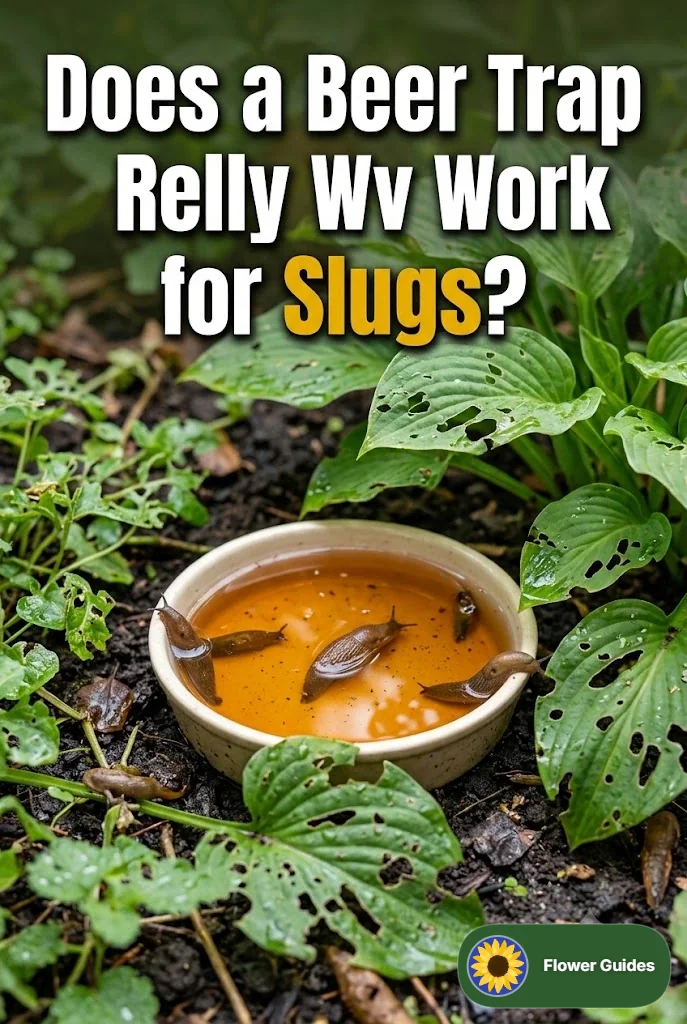
Beer traps are a popular choice among gardeners because they are easy to set up and use. The idea is simple: slugs are attracted to the yeast and sugars in beer, leading them to the trap where they drown. Here are some reasons why beer traps are favored:
- Cost-effective: Beer traps can be made using inexpensive ingredients, often with leftover beer.
- Natural solution: Unlike chemical pesticides, beer traps offer a more organic approach to pest control.
- Easy setup: Setting up a beer trap requires minimal effort and can be achieved in just a few minutes.
How to Set Up a Beer Trap for Slugs
If you decide to give beer traps a try, here’s a step-by-step guide to setting them up effectively:
- Gather Your Materials: You’ll need shallow containers (like pie plates or small bowls) and beer. Any type of beer works, but darker beers may be more effective due to their stronger scent.
- Dig a Hole: Bury the container in the ground so that the rim is level with the soil. This makes it easier for slugs to access the beer.
- Fill with Beer: Pour enough beer into the container to submerge the slugs but not so much that it overflows. About one to two inches should suffice.
- Position Strategically: Place the traps in areas where you’ve noticed slug activity, such as near plants that show signs of damage.
- Check Regularly: Empty the traps every few days and refill them with fresh beer to maintain effectiveness.
Effectiveness of Beer Traps
The effectiveness of beer traps can vary based on several factors:
Attractiveness
Slugs are indeed attracted to beer, thanks to its aroma and yeast content. However, the level of attraction can depend on the beer’s quality and type. Darker beers tend to have a stronger scent, which may lure more slugs.
Environmental Conditions
Beer traps work best in moist environments since slugs are more active and likely to be present during damp conditions. Setting traps during the evening or after rain can increase your chances of catching these pests.
Limitations
While beer traps can reduce slug populations, they may not completely eliminate them. Some slugs may avoid the traps, especially if there are alternative food sources nearby. Additionally, beer traps primarily attract and kill slugs but do not address the underlying issue of slug infestations.
Common Mistakes When Using Beer Traps
To maximize the effectiveness of your beer traps, avoid these common mistakes:
- Using Too Much Beer: Overfilling the container can cause the beer to spill, making it less effective. Stick to a couple of inches.
- Neglecting Regular Checks: Failing to replace old beer can render the trap useless. Slugs are less likely to be attracted to stale beer.
- Not Positioning Properly: Placing traps in areas without slug activity is a waste of time. Observe your garden and place traps where slugs are most active.
Alternative Methods to Control Slugs
While beer traps can be an effective part of your slug control strategy, consider combining them with other methods for better results:
1. Handpicking
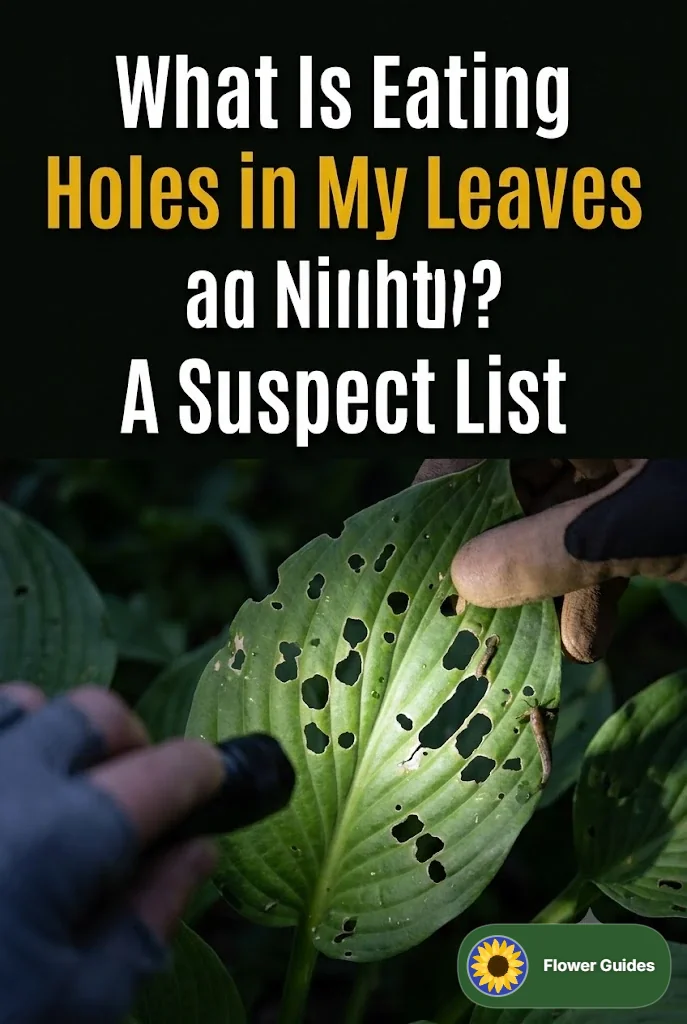
Regularly inspecting your garden at night with a flashlight allows you to handpick slugs. This method is labor-intensive but can significantly reduce their numbers.
2. Natural Predators
Encourage natural predators such as birds, toads, and beneficial insects in your garden. These creatures can help keep slug populations under control.
3. Barriers
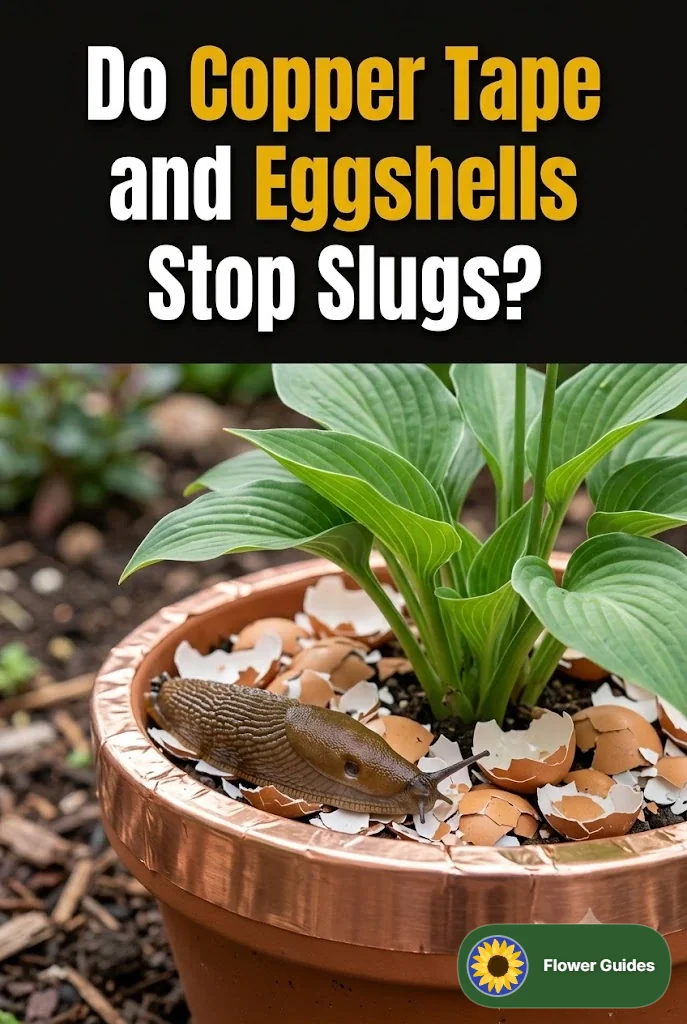
Creating physical barriers can deter slugs. Copper tape, diatomaceous earth, or crushed eggshells around plants can make it difficult for slugs to reach their food.
Expert Tips for Maximizing Slug Control
Here are some insider tips to enhance your slug control efforts:
- Mix It Up: Use a combination of traps and barriers for a multi-faceted approach to slug management.
- Timing is Key: Set traps in the evening when slugs are most active, and always check them in the morning.
- Stay Consistent: Regular maintenance and monitoring are crucial. Keep your traps and barriers in place throughout the growing season.
Common Questions About Beer Traps for Slugs
Do beer traps attract other pests?
Yes, beer traps can sometimes attract other garden pests, such as fruit flies or ants. However, they primarily target slugs.
Can I use expired beer for traps?
Expired beer can still be effective as slugs are attracted to the scent, but fresh beer may yield better results.
How often should I check my beer traps?
Check your beer traps every few days to ensure they are effective and to replace any stale beer.
Conclusion
Beer traps can be an effective tool in the battle against slugs, offering a simple and natural solution for gardeners. While they may not be a silver bullet, when combined with other control methods, they can significantly reduce slug populations. So, grab a few containers, pour in some beer, and watch as you reclaim your garden from these pesky pests!