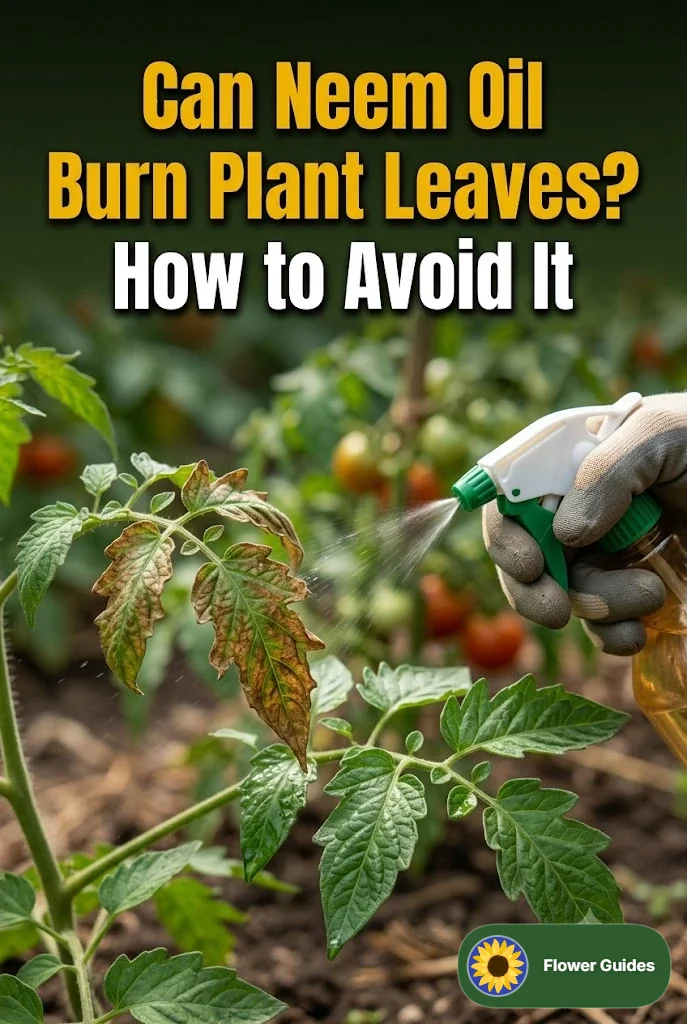
Can Neem Oil Burn Plant Leaves? How to Avoid It
Imagine nurturing your plants with the best intentions, only to discover that something you’ve applied has left them looking worse for wear. Neem oil is widely praised for its pest control properties and overall benefits in organic gardening, but it raises a crucial question: can it actually burn plant leaves? Understanding this potential downside is essential for any gardener wanting to keep their plants healthy and thriving. Let’s dive into how neem oil works, the risk of leaf burn, and how you can apply it safely.
What is Neem Oil?
Neem oil is derived from the seeds of the neem tree, native to the Indian subcontinent. It contains a compound called azadirachtin, which disrupts the life cycle of pests, making it an effective natural pesticide. Beyond pest control, neem oil also has fungicidal properties and can help prevent diseases like powdery mildew.
Benefits of Neem Oil
- Natural Pest Control: Effective against aphids, spider mites, and other common pests.
- Fungicide: Helps combat fungal infections.
- Promotes Plant Health: Can enhance overall plant vigor and growth.
Can Neem Oil Burn Plant Leaves?
Yes, neem oil can potentially burn plant leaves if not used correctly. This burning typically occurs due to two main reasons: concentration levels and environmental conditions.
Concentration Levels
Using neem oil at too high a concentration can lead to leaf burn. When mixed inappropriately, the oil can create a film on the leaves that blocks sunlight and suffocates the plant. It’s crucial to follow recommended dilution ratios to avoid damaging your plants.
Environmental Conditions
Even when used correctly, applying neem oil in extreme conditions can increase the risk of burning. High temperatures and direct sunlight can cause the oil to heat up and create a scorching effect on the leaves. The ideal time for application is during cooler periods, preferably in the early morning or late afternoon.
How to Safely Use Neem Oil
To reap the benefits of neem oil while minimizing the risk of harm to your plants, follow these essential guidelines:
1. Proper Dilution
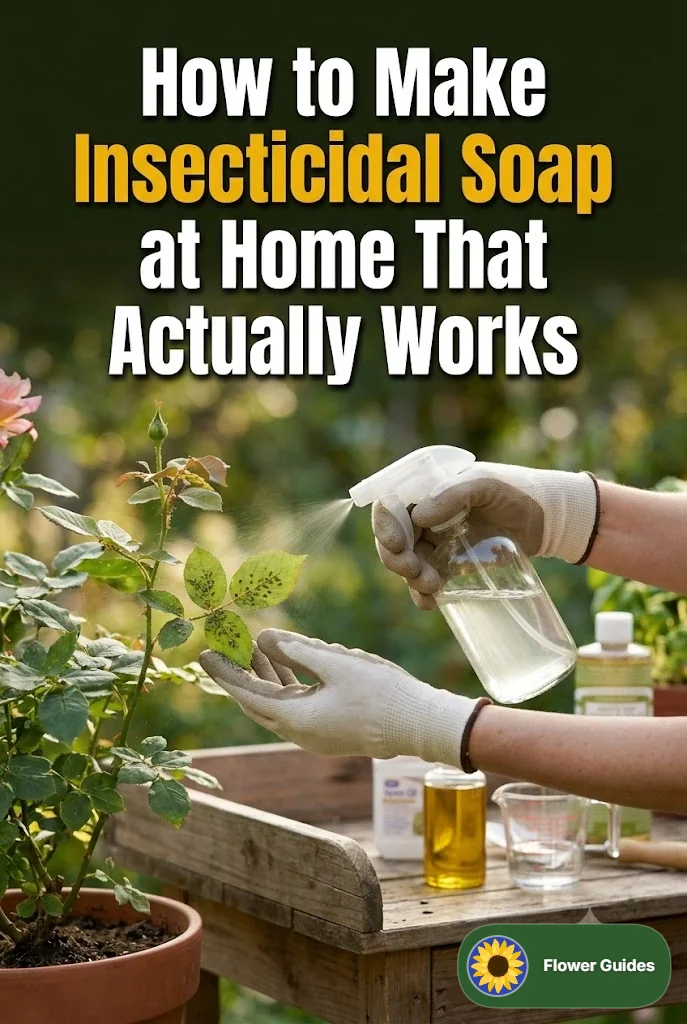
Always follow the manufacturer’s instructions for dilution. A common recommendation is to mix 1-2 tablespoons of neem oil per gallon of water. Adding a few drops of dish soap can help emulsify the oil and improve its effectiveness.
2. Test Before Full Application
Before applying neem oil to your entire plant, conduct a patch test. Spray a small, inconspicuous section and wait 24 hours. If the area shows no signs of burn or damage, you can proceed with the full application.
3. Avoid Direct Sunlight
Timing is everything. Apply neem oil when temperatures are cooler, such as early morning or late afternoon. This practice reduces the risk of heat-induced leaf burn.
4. Ensure Good Air Circulation
Good air movement helps the neem oil dry quickly and reduces the chance of a greasy film forming on the leaves. Avoid applying it in humid conditions, as this can exacerbate the potential for burn.
5. Clean Application Tools
Use clean spray equipment to ensure that no residual chemicals from previous applications interfere with neem oil’s effectiveness. Contamination can lead to unexpected results, including leaf burn.
Common Mistakes to Avoid
Even seasoned gardeners can make mistakes with neem oil. Here are some common pitfalls to watch out for:
- Neglecting to Dilute: Always remember that more is not better when it comes to neem oil.
- Ignoring Weather Conditions: Avoid applying before a rainstorm or during high heat.
- Over-Application: A little goes a long way; frequent applications can lead to buildup and potential leaf burn.
Pinterest-Style Ideas for Neem Oil Use
Getting creative with neem oil can enhance your gardening experience. Here are some inspiring ideas:
- Mix with Essential Oils: Combine neem oil with essential oils like peppermint or lavender for added pest deterrence.
- DIY Neem Oil Spray Bottles: Create visually appealing labeled spray bottles for your garden toolkit.
- Neem Oil in Your Garden Journal: Track your applications and results in a garden journal to optimize future use.
Expert Tips for Neem Oil Application
Here are some insider tips to improve your neem oil application experience:
- Use Soft Water: If possible, use rainwater or distilled water for mixing, as hard water can affect the oil’s efficacy.
- Rotate Pesticides: Avoid relying solely on neem oil; rotating with other organic pest control methods can prevent pest resistance.
- Consider Plant Types: Some plants are more sensitive than others. Research your specific plants before applying neem oil.
Common Questions About Neem Oil and Leaf Burn
1. How often should I apply neem oil?
Generally, every 7-14 days is a good rule of thumb, but always check your plants for signs of pest issues to adjust as necessary.
2. Can I use neem oil on all plants?
While many plants tolerate neem oil well, some sensitive varieties may react adversely. Always perform a patch test first.
3. What should I do if my plants show signs of leaf burn?
Immediately stop applying neem oil and give your plants a thorough rinse with water to remove any oil residue. Monitor their recovery and adjust care as needed.
Conclusion
Neem oil is a fantastic tool for organic gardening, offering pest control and disease prevention without harsh chemicals. By understanding its potential to burn leaves and following safe application practices, you can protect your plants while enjoying the benefits of this natural remedy. Happy gardening!