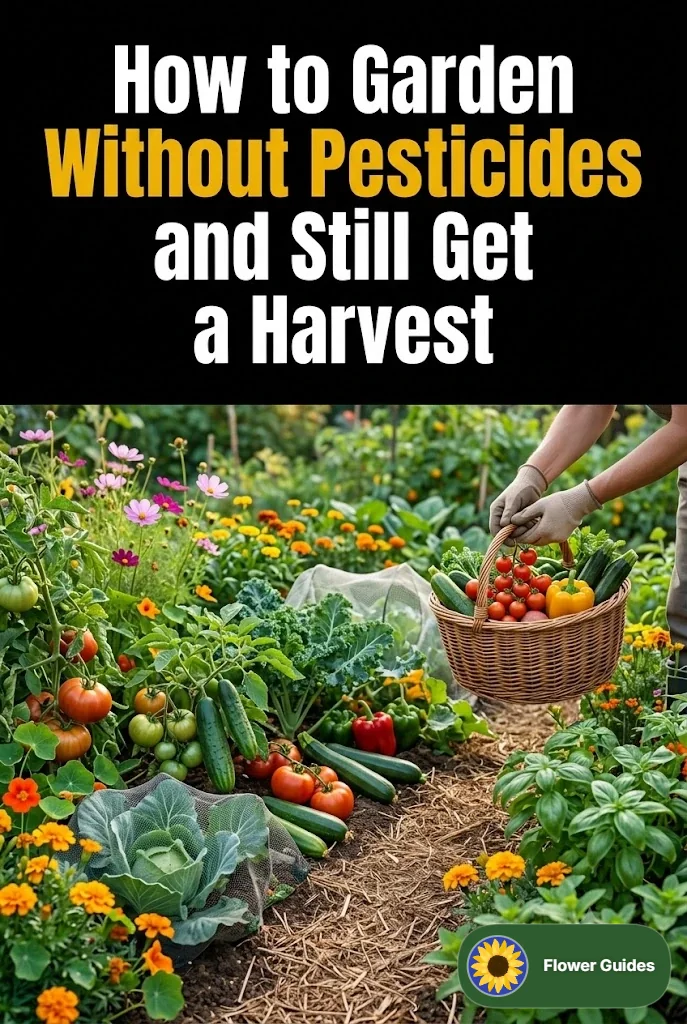
How to Garden Without Pesticides and Still Get a Harvest
Many gardeners face the dilemma of wanting to grow healthy, vibrant plants while also being mindful of the environment and their health. Pesticides can seem like a quick fix, but they often come with a host of concerns. The good news is that you can achieve a bountiful harvest without relying on chemical pesticides. By implementing natural gardening methods and fostering a balanced ecosystem, you can keep your garden thriving and healthy.
Quick Answer
To garden without pesticides and still get a harvest, focus on natural pest control methods, such as companion planting, using beneficial insects, and maintaining soil health. These strategies promote a healthy ecosystem that naturally deters pests while encouraging robust plant growth.
Understanding the Basics of Organic Gardening
Before diving into specific techniques, it’s essential to grasp the principles of organic gardening. This approach emphasizes sustainability, biodiversity, and ecological balance. Here are the key tenets:
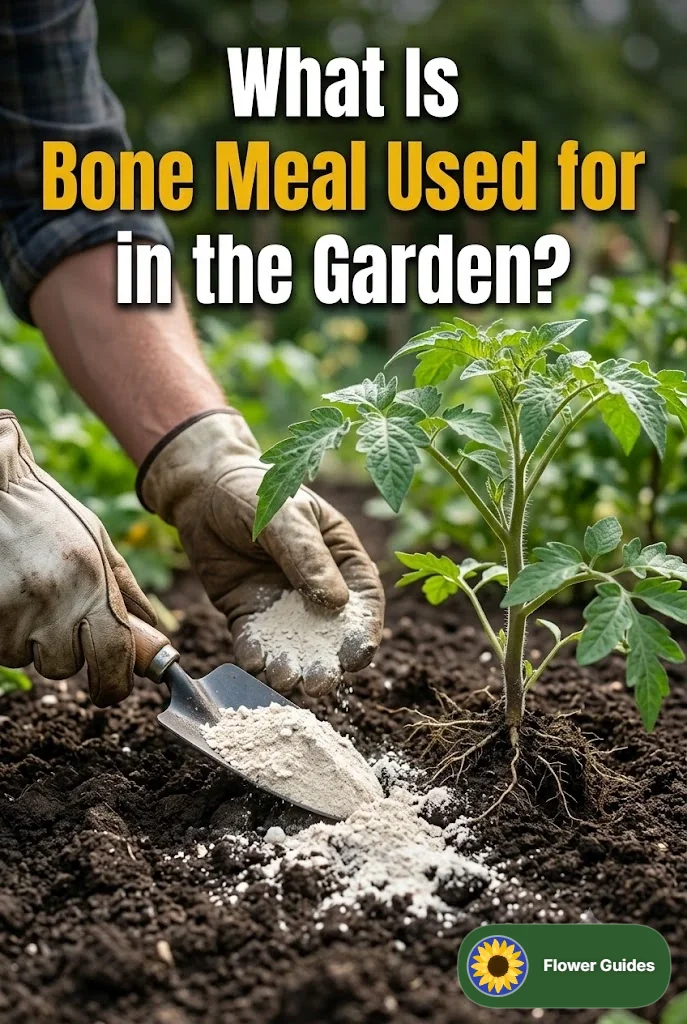
- Soil Health: A rich, well-aerated soil is the foundation of any successful garden. Organic matter, such as compost, enriches the soil and promotes beneficial microbial life.
- Biodiversity: A diverse garden attracts a variety of beneficial insects and wildlife, helping to control pest populations naturally.
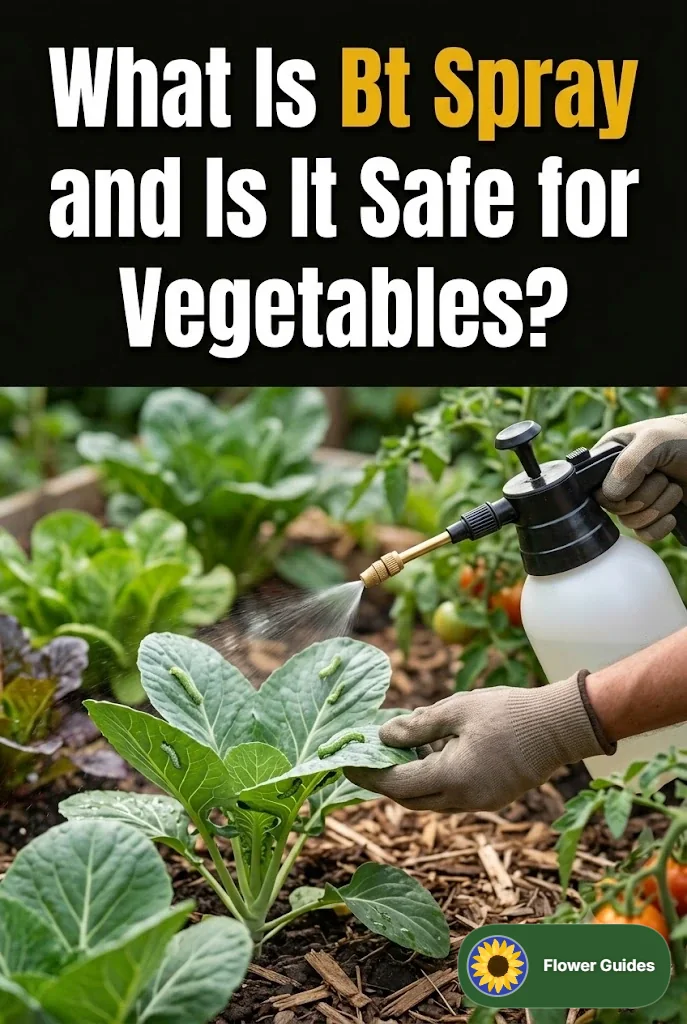
- Natural Pest Management: Instead of chemicals, organic gardeners use physical barriers, natural predators, and organic sprays to manage pests.
Natural Pest Control Methods
1. Companion Planting
Companion planting involves growing different plants together to enhance growth and deter pests. Some effective pairings include:
- Basil and Tomatoes: Basil repels aphids and whiteflies while enhancing the flavor of tomatoes.
- Marigolds with Vegetables: Marigolds attract beneficial insects and repel nematodes.
- Beans and Corn: Beans fix nitrogen in the soil, benefiting corn while providing support for climbing.
2. Attracting Beneficial Insects
Beneficial insects play a critical role in pest management. Here are some common allies:
- Ladybugs: These voracious eaters consume aphids and other soft-bodied pests.
- Hoverflies: Their larvae feed on aphids, while adults are attracted to nectar-rich flowers.
- Parasitic Wasps: These tiny wasps lay their eggs in pest species, effectively controlling their populations.
Planting flowers like dill, fennel, and yarrow can attract these beneficial insects to your garden.
3. Physical Barriers
Sometimes, the simplest solution is the most effective. Using physical barriers can prevent pests from reaching your plants:
- Row Covers: Lightweight fabric can protect young plants from insects while allowing sunlight and rain to penetrate.
- Netting: Use netting to shield fruit trees and berry bushes from birds and other wildlife.
- Mulching: A thick layer of mulch can deter weeds and create a habitat for beneficial organisms.
Maintaining Soil Health
Healthy soil is your garden’s first line of defense against pests and diseases. Here are ways to maintain and boost soil health:
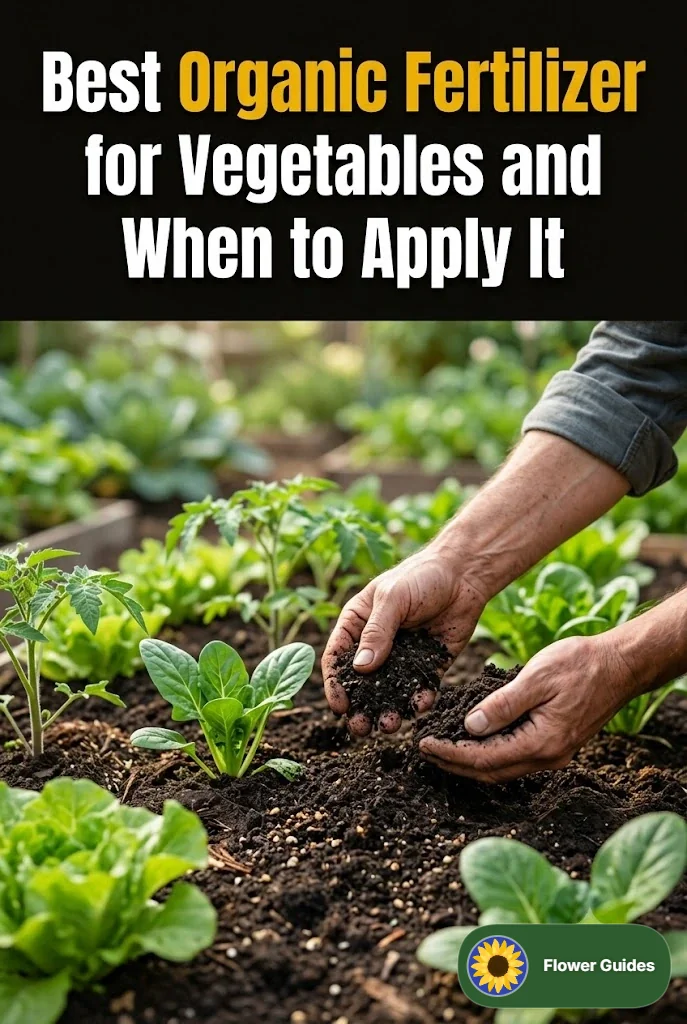
- Composting: Regularly add organic matter to your soil to improve its structure, nutrient content, and moisture retention.
- Crop Rotation: Rotating crops each season prevents pest buildup and nutrient depletion.
- Cover Crops: Planting cover crops in the off-season enriches the soil and prevents erosion.
Pro Tips for a Successful Harvest
Implementing the above methods can significantly enhance your gardening experience. Here are some expert tips to ensure a fruitful harvest:
- Regular Monitoring: Spend time in your garden to observe plant health and detect any pest issues early.
- Plant Diversity: Incorporate a variety of plants to create a resilient ecosystem that can withstand pests and diseases.
- Water Wisely: Water your plants deeply but infrequently to encourage deep root growth, making them more resilient to pests.
Common Mistakes to Avoid
Even experienced gardeners can make mistakes. Here are some common pitfalls to watch out for:
- Over-reliance on One Method: Relying solely on one pest control method can lead to imbalances. Diversify your approach.
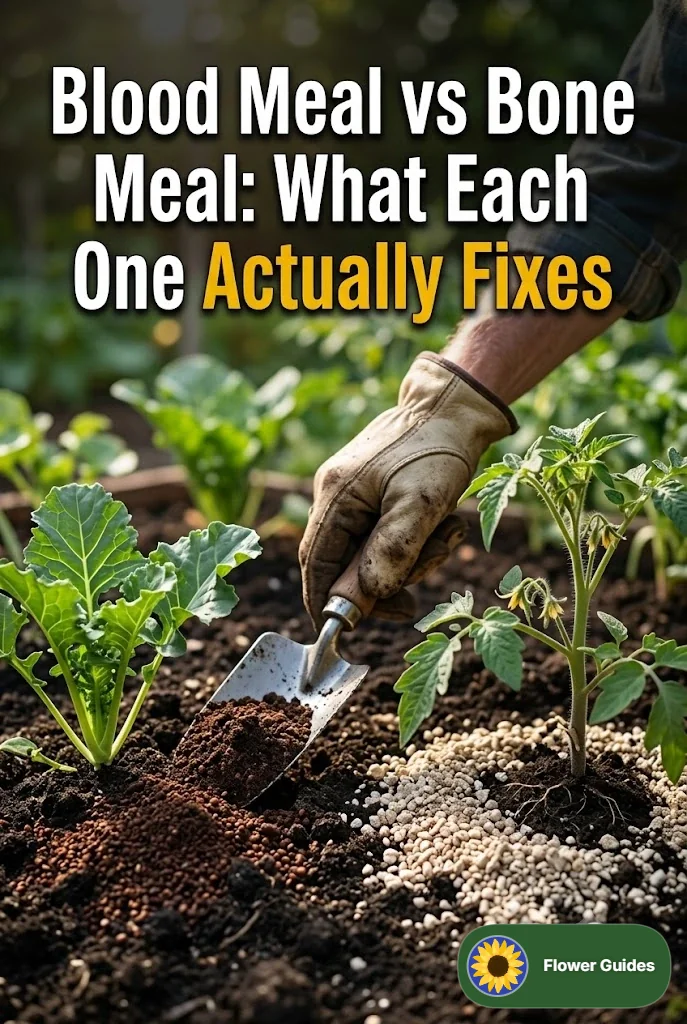
- Ignoring Soil Health: Neglecting soil amendments can lead to weakened plants that are more susceptible to pests.
- Delayed Action: Addressing pest issues promptly can prevent small problems from escalating.
Common Questions (FAQ)
1. Can I use homemade pest control solutions?
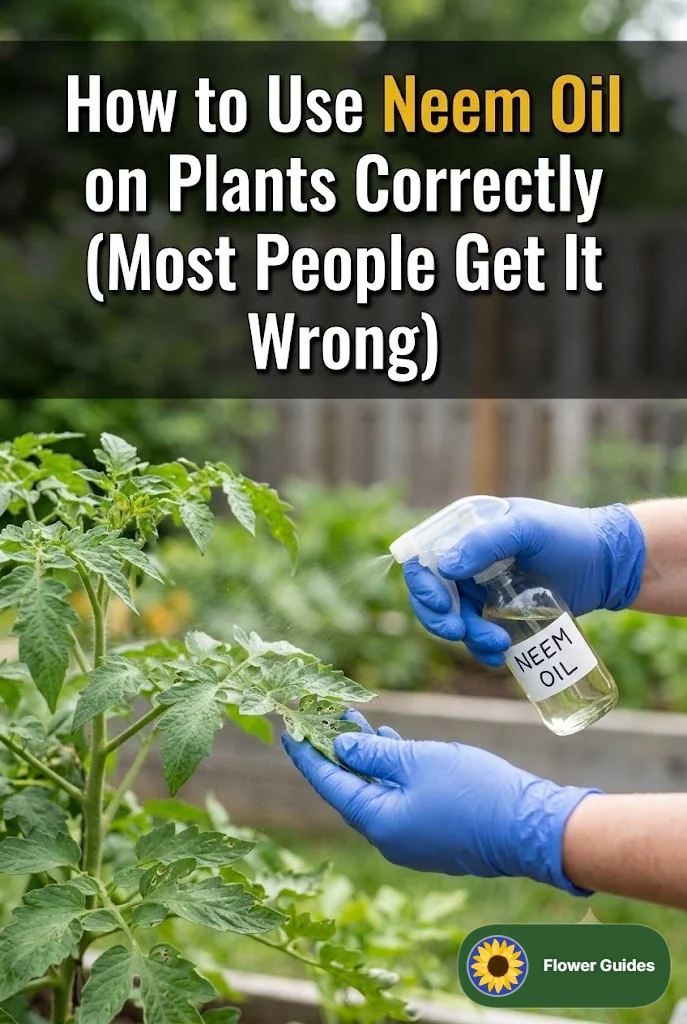
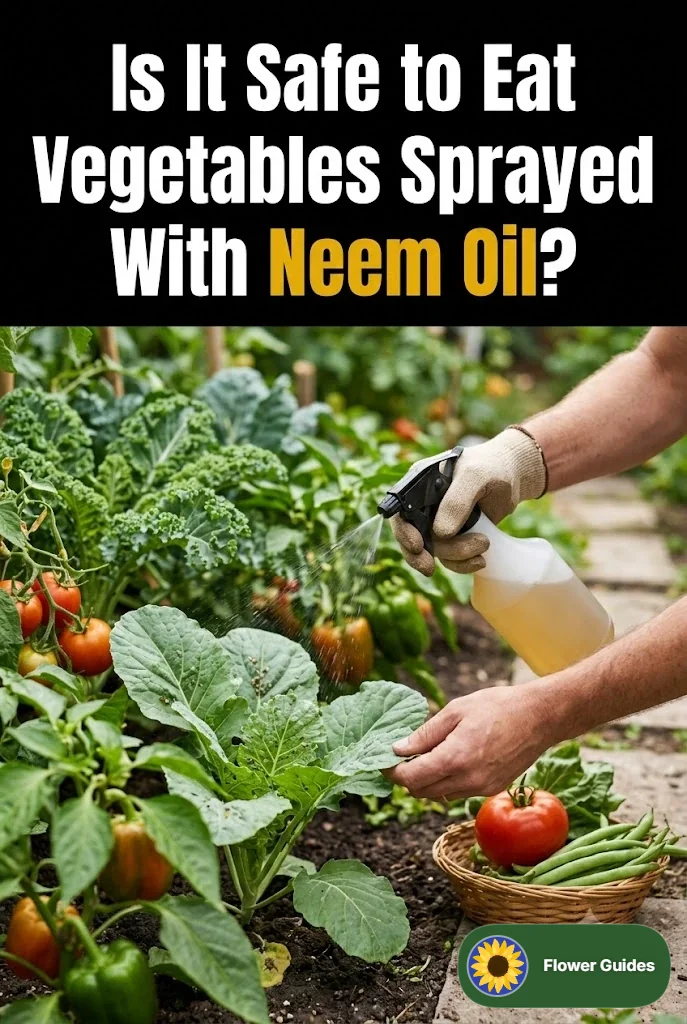
Yes! Solutions like neem oil, garlic spray, and soap sprays can be effective against many pests while being safe for your plants.
2. How do I know if my plants are healthy?
Healthy plants have vibrant leaves, strong stems, and are resilient to pests and diseases. Regular monitoring can help you spot issues early.
3. What should I do if pests become overwhelming?
If pests overwhelm your garden, consider introducing beneficial insects or using organic pest control methods to manage the population.
Conclusion
Gardening without pesticides is not only possible but can also lead to a more vibrant, healthy garden. By understanding the principles of organic gardening and implementing natural pest control methods, you can enjoy a bountiful harvest while protecting your health and the environment. Embrace the beauty of nature, and watch your garden thrive!