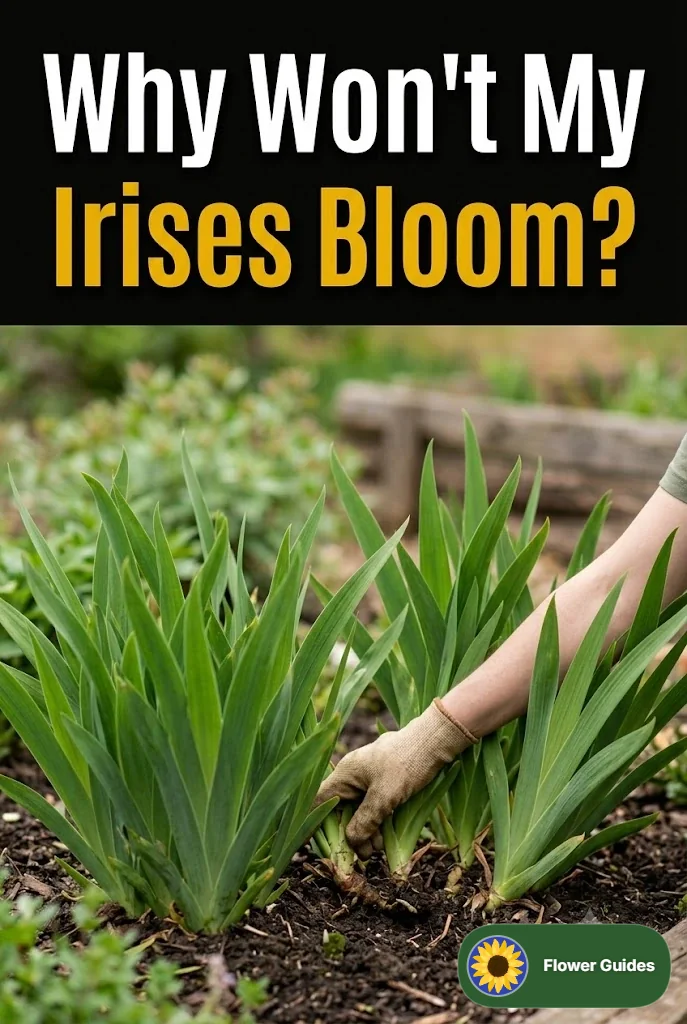
Why Won’t My Irises Bloom?
Are you eagerly waiting for your irises to burst into bloom, only to be met with a sea of green leaves instead? It can be frustrating to nurture these beautiful plants and not see the vibrant colors they promise. Whether you’re a seasoned gardener or just starting out, understanding why your irises won’t bloom is crucial to ensuring a stunning display in your garden. Let’s dive into the common culprits behind this flowering mystery and how to tackle them effectively.
Quick Answer
If your irises won’t bloom, it could be due to improper planting, insufficient sunlight, incorrect watering habits, or nutrient deficiencies. Assessing these factors will help you revive your irises and encourage beautiful blooms.
Key Factors Affecting Iris Blooms
1. Planting Depth and Spacing
One of the most common reasons irises fail to bloom is improper planting. The depth and spacing of your irises significantly impact their growth.
- Planting Depth: Irises should be planted with their rhizomes partially exposed above the soil surface. If you bury them too deep, they may struggle to bloom.
- Spacing: Ensure adequate space between each iris. Crowded plants compete for nutrients and water, hindering their ability to flower.
2. Sunlight Requirements
Irises thrive in full sun, which means they require at least six hours of direct sunlight daily. Insufficient sunlight can lead to weak growth and fewer blooms.
- Location: Consider relocating your irises to a sunnier spot if they are currently shaded by trees or other plants.
- Check for Overhanging Branches: Ensure that no branches block sunlight during peak hours.
3. Watering Practices
Both overwatering and underwatering can impede bloom production in irises. Understanding how to water correctly is essential.
- Overwatering: Waterlogged soil can lead to root rot. Irises prefer well-draining soil; make sure your planting area has good drainage.
- Underwatering: On the flip side, if the soil dries out too much, it can stress the plants. Aim for consistent moisture without saturation.
4. Soil Quality and Nutrients
The quality of the soil plays a significant role in your irises’ health. Nutrient deficiencies can lead to poor blooming.
- Soil Testing: Consider testing your soil to check for pH levels and nutrient content. Irises prefer slightly acidic to neutral soil (pH 6.0 to 7.0).
- Fertilization: Use a low-nitrogen fertilizer to promote blooming. High nitrogen levels encourage foliage growth over flowers.
5. Pests and Diseases
Sometimes, pests or diseases can be the hidden enemies of your blooming irises.
- Pests: Look out for aphids, iris borers, and spider mites. Regularly inspect your plants and treat any infestations promptly.
- Diseases: Fungal diseases such as rot or rust can impact blooms. Ensure good air circulation by spacing plants properly and avoiding overhead watering.
Common Mistakes to Avoid
- Neglecting to divide rhizomes: Irises grow best when divided every 3-5 years. This encourages healthy growth and blooming.
- Ignoring seasonal care: Each season requires different care. For instance, avoid heavy watering in winter and ensure adequate mulch for protection.
- Failing to remove spent blooms: This can lead to the plant focusing energy on seed production instead of blooming.
Pinterest-Style Ideas for Encouraging Iris Blooms
- Color Coordination: Plant irises in groups of complementary colors for a stunning visual effect.
- Garden Borders: Use irises as a border in your garden to create a natural frame for other plants.
- Container Gardens: Consider planting irises in decorative pots to showcase their beauty on patios or balconies.
Expert Tips for Thriving Irises
- Mulching: Apply a layer of mulch to retain moisture and suppress weeds, but ensure it does not cover the rhizomes.
- Seasonal Pruning: After blooming, cut back the foliage to encourage new growth the following season.
- Companion Planting: Pair irises with drought-resistant plants to minimize competition for water.
Common Questions About Iris Blooms
Why are my irises only producing leaves and no flowers?
This is often due to insufficient sunlight, overcrowding, or incorrect planting depth. Assess your growing conditions to identify the issue.
How often should I water my irises?
Water your irises when the top inch of soil feels dry. They enjoy consistent moisture but do not tolerate soggy conditions.
When is the best time to fertilize irises?
The best time to fertilize is in early spring, just as new growth begins. Use a balanced, low-nitrogen fertilizer.
Can I grow irises in containers?
Yes, irises can thrive in containers, but ensure the pot has good drainage and is large enough for the rhizomes.
Conclusion
By understanding the factors that influence iris blooming, you can take actionable steps to ensure a vibrant display in your garden. Regular care, attention to detail, and a bit of patience are key. With these insights, you’re on your way to enjoying the stunning blooms that irises are known for. Happy gardening!