How Often to Water Lavender (Far Less Than Everything Else)
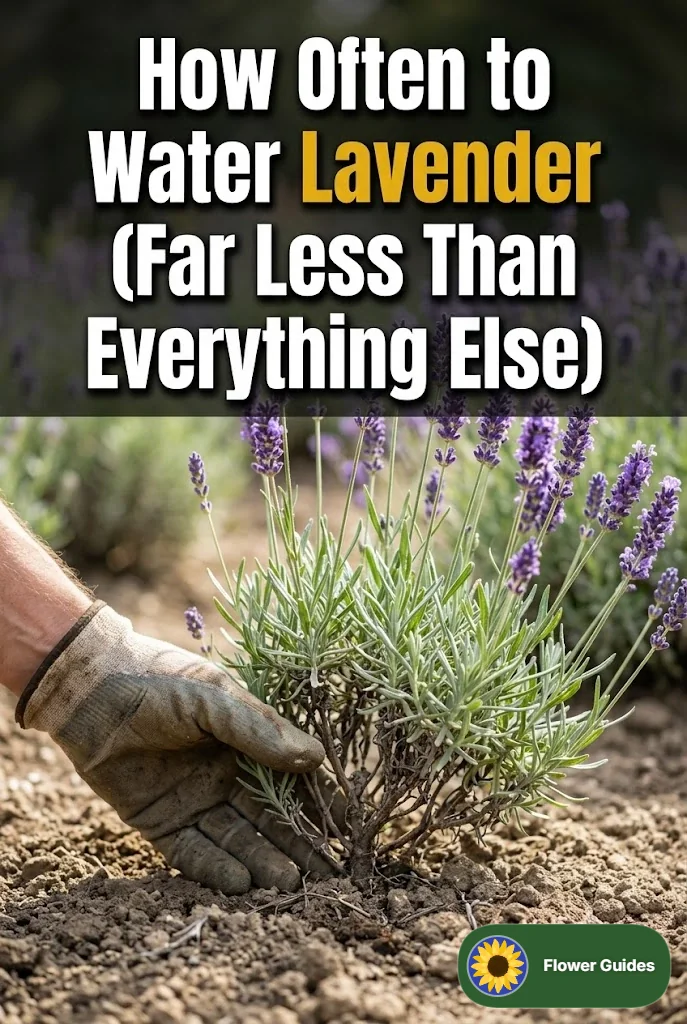
When it comes to growing lavender, many gardeners struggle with the watering routine. It’s easy to assume that all plants need frequent watering, especially in warmer months. However, lavender is quite the exception. This fragrant herb thrives in dry, Mediterranean-like conditions, making it a unique challenge for those accustomed to more water-hungry plants. Understanding how often to water lavender not only keeps your plants healthy but also allows you to enjoy their beauty and aroma without unnecessary effort.
Quick Answer
Lavender should be watered sparingly, typically every 2 to 4 weeks, depending on the climate and soil conditions. It’s crucial to allow the soil to dry out completely between waterings to prevent root rot and ensure healthy growth.
Understanding Lavender's Water Needs
Lavender is naturally adapted to thrive in arid environments, which means it has developed a deep root system that allows it to access moisture from the soil efficiently. Here’s a closer look at why watering practices differ for lavender compared to other garden plants.
The Role of Soil
- Well-draining soil: Lavender prefers sandy or gravelly soil that drains quickly. This prevents water from pooling around the roots, which can lead to rot.
- pH levels: Ideally, lavender grows best in alkaline to neutral soil (pH 6.5 to 7.5). Testing the soil can help you adjust its composition if necessary.
Climate Considerations
- Hot and dry climates: In regions with hot summers, lavender may require watering every 2 to 3 weeks.
- Cooler climates: In cooler areas, you may only need to water once every 4 weeks, especially if rainfall is sufficient.
Watering Schedule Guidelines
To establish a proper watering routine for your lavender plants, consider the following factors:
1. Seasonality
- Spring: As new growth appears, water every 2 to 3 weeks, ensuring the soil dries out between waterings.
- Summer: Continue with every 2 to 4 weeks, but monitor the weather. During particularly hot spells, check the soil moisture more frequently.
- Fall: Reduce watering as temperatures drop. Once established, lavender requires minimal moisture.
- Winter: In most climates, lavender goes dormant and needs no watering. If you live in a milder climate, ensure the soil remains dry.
2. Soil Moisture Check
Before watering, always check the soil moisture. Stick your finger about an inch into the soil. If it feels dry, it’s time to water. If it still feels moist, wait a few more days.
3. Container vs. Ground Planting
- In-ground lavender: These plants generally require less frequent watering as they can draw moisture from deeper soil layers.
- Container lavender: Potted lavender may need more regular checks, especially in warm weather, as pots can dry out faster.
Common Mistakes in Watering Lavender
Even experienced gardeners can make mistakes when it comes to watering lavender. Here are some common pitfalls to avoid:
- Overwatering: This is the most common mistake. Too much water can suffocate the roots and lead to root rot. Always err on the side of underwatering.
- Watering at the wrong time: Watering during the hottest part of the day can lead to evaporation before the plant can absorb it. Early morning or late afternoon is best.
- Ignoring drainage: Ensure your lavender plants have proper drainage systems, especially in pots.
Pinterest-Style Ideas for Lavender Care
For those looking for creative ways to incorporate lavender into their gardening routine, here are some inspiring ideas:
- Lavender borders: Create a fragrant border along pathways or garden beds to enhance both beauty and aroma.
- Lavender in containers: Use decorative pots to place lavender on patios or balconies, making them easy to monitor and water.
- Drying lavender: Harvest and dry lavender for sachets or potpourri, showcasing your gardening success.
- Lavender hedges: Plant a row of lavender for a stunning hedge that attracts pollinators while requiring minimal care.
Expert Tips for Thriving Lavender
To ensure your lavender flourishes, consider these expert tips:
- Mulching: Apply a thin layer of mulch around your lavender to conserve moisture and suppress weeds without making the soil too wet.
- Fertilizing: Lavender typically requires little fertilization. A light application of a low-nitrogen fertilizer in early spring can promote healthy growth.
- Pruning: Regular pruning after flowering helps encourage bushier growth and better airflow, which reduces disease risk.
Common Questions About Watering Lavender
How can I tell if my lavender is overwatered?
Signs of overwatering include yellowing leaves, wilting despite wet soil, and a foul smell from the roots. Adjust your watering schedule accordingly.
Can I water lavender with a soaker hose?
Yes, a soaker hose can provide consistent, slow moisture to lavender, just be cautious not to overwater and ensure good drainage.
What should I do if my lavender starts to droop?
If lavender droops, check the soil moisture. If the soil is too wet, allow it to dry out thoroughly before watering again.
Conclusion
Finding the right watering balance for lavender can be a game-changer for your gardening success. By following the guidelines laid out in this article, you can cultivate healthy, vibrant lavender that not only enhances your garden but also fills the air with its delightful fragrance. Embrace the joy of caring for your lavender, and watch as it thrives with the right touch!