Why Are My Petunias Getting Leggy and How to Cut Them Back
Petunias are beloved for their vibrant colors and ability to brighten up any garden or patio. However, if you’ve noticed your petunias growing leggy—long stems with fewer flowers—you’re not alone. This common issue can leave your plants looking sparse and unappealing. Understanding why petunias become leggy and learning how to cut them back effectively can rejuvenate your plants, encouraging fuller growth and more blooms. Let’s dive into the reasons behind leggy petunias and the best ways to restore their lush appearance.
Why Are My Petunias Getting Leggy?
Legginess in petunias can stem from several factors, primarily related to environmental conditions and care practices. Here are the main culprits:
1. Insufficient Light
Petunias thrive in full sun, requiring at least 6 to 8 hours of direct sunlight each day. If they’re not getting enough light, they will stretch towards the light source, resulting in long, weak stems. This phenomenon is known as etiolation.
2. Overwatering
While petunias love moisture, too much water can lead to root rot and hinder growth. Compromised roots can cause the plant to expend energy trying to reach for more light, leading to leggy growth.
3. Poor Soil Quality
Soil that lacks essential nutrients can stunt the growth of petunias. If they’re not receiving adequate nutrients, they may grow longer stems in an attempt to reach a better source of nutrition.
4. Lack of Pruning
Regularly pruning petunias encourages bushier growth. If left untrimmed, they may become leggy as they focus their energy on elongating rather than producing blooms.
5. Temperature Extremes
Petunias prefer moderate temperatures. Extreme heat or unexpected cold can stress the plant, causing it to grow leggy as it tries to survive.
How to Cut Back Leggy Petunias
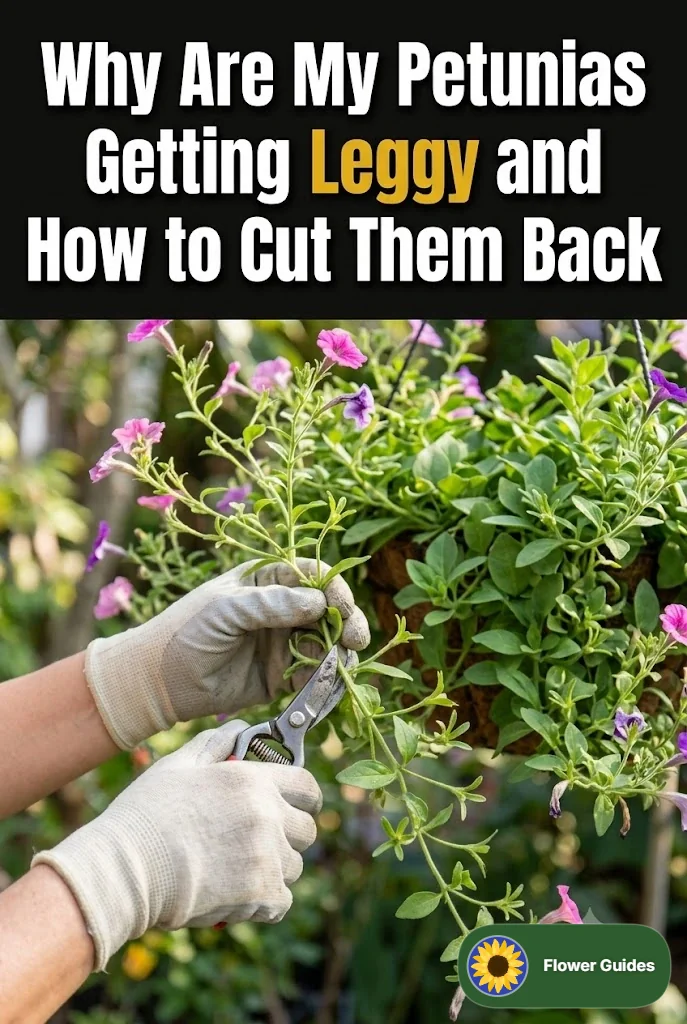
Pruning leggy petunias is an effective way to promote bushier growth and increase flower production. Here’s a step-by-step guide to help you cut them back properly:
Step 1: Assess the Plant
Examine your petunias to determine how leggy they are. Look for stems that are excessively long and have few leaves or flowers. Aim to remove about one-third of the length of the leggy stems.
Step 2: Gather Your Tools
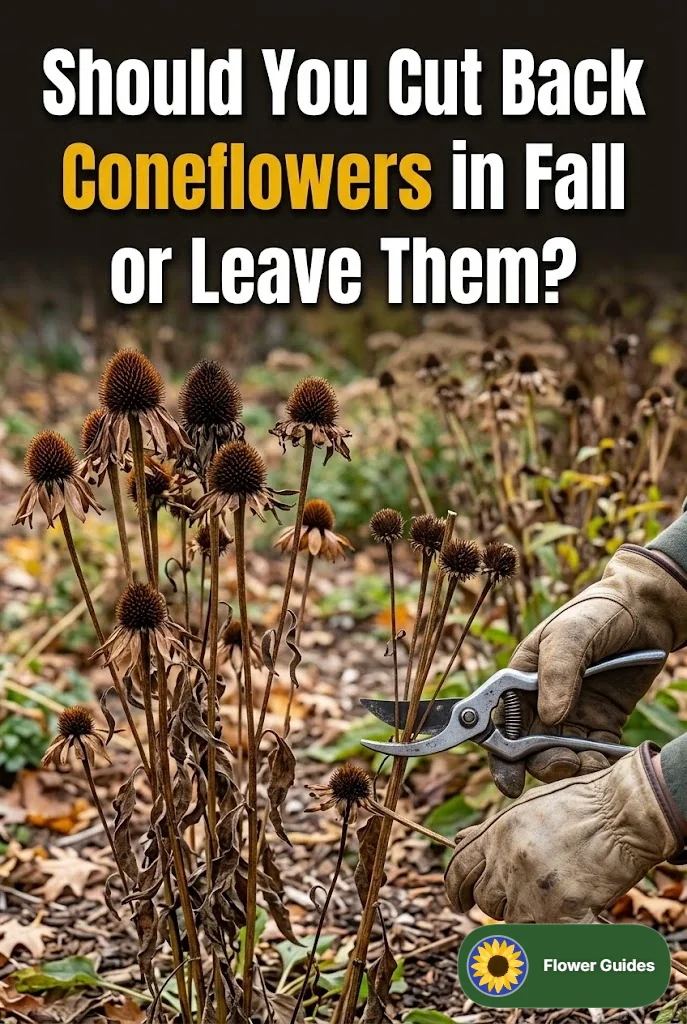
You’ll need clean, sharp pruning shears or scissors. Ensure your tools are sterilized to prevent any potential disease transmission.
Step 3: Make the Cuts
- Cut Above a Leaf Node: Always make your cuts just above a leaf node (the point where a leaf attaches to the stem). This encourages new growth from that point.
- Angle Your Cuts: Make a clean, angled cut. This helps to prevent water from collecting on the cut surface, reducing the risk of rot.
Step 4: Remove Dead or Dying Foliage
While you’re pruning, take the opportunity to remove any dead or yellowing leaves. This helps the plant focus its energy on healthy growth.
Step 5: Water and Feed
After cutting back your petunias, give them a good drink of water. Follow up with a balanced fertilizer to provide essential nutrients, encouraging robust regrowth.
Step 6: Monitor Growth
Keep an eye on your petunias over the next few weeks. You should notice new growth emerging from the trimmed areas. If they continue to stretch, reassess their light conditions and adjust as necessary.
Pinterest-Style Ideas for Leggy Petunia Care
Transforming your leggy petunias can be both rewarding and visually appealing. Here are some creative ideas to inspire your gardening journey:
- Create a Petunia Wall: Use trellises or vertical garden setups to support your petunias as they grow, ensuring they receive ample sunlight.
- Mix and Match: Pair petunias with other flowering plants in containers to add depth and color to your garden.
- Seasonal Displays: Rotate your petunias with seasonal flowers for a continuously vibrant display.
- Use Pots for Mobility: Plant petunias in pots so you can easily move them to sunnier spots as needed.
Expert Tips for Healthy Petunias
- Pinching Back: Regularly pinch back the tips of your petunia plants when they’re young to encourage bushier growth.
- Deadheading: Remove spent flowers to stimulate further blooming and prevent the plant from going to seed.
- Rotate Locations: If you notice persistent legginess, consider rotating the location of your petunias to ensure they are getting adequate light.
Common Questions About Leggy Petunias
What causes petunias to be leggy?
Petunias become leggy due to insufficient light, overwatering, poor soil quality, lack of pruning, or temperature extremes.
Can I cut my petunias back hard?
Yes, cutting back up to one-third of the plant is safe and can promote healthier, bushier growth.
How often should I prune my petunias?
Prune petunias as needed, typically every few weeks during the growing season, especially if they start to look leggy.
What’s the best way to ensure my petunias stay healthy?
Ensure they receive full sunlight, avoid overwatering, provide nutrient-rich soil, and maintain moderate temperatures for optimal growth.
Conclusion
Leggy petunias can be a frustrating sight, but with the right care and attention, you can restore them to their vibrant best. Regular pruning, proper sunlight exposure, and mindful watering are key to achieving those lush, colorful blooms that you love. So grab your shears and get to work—your petunias will thank you for it!